


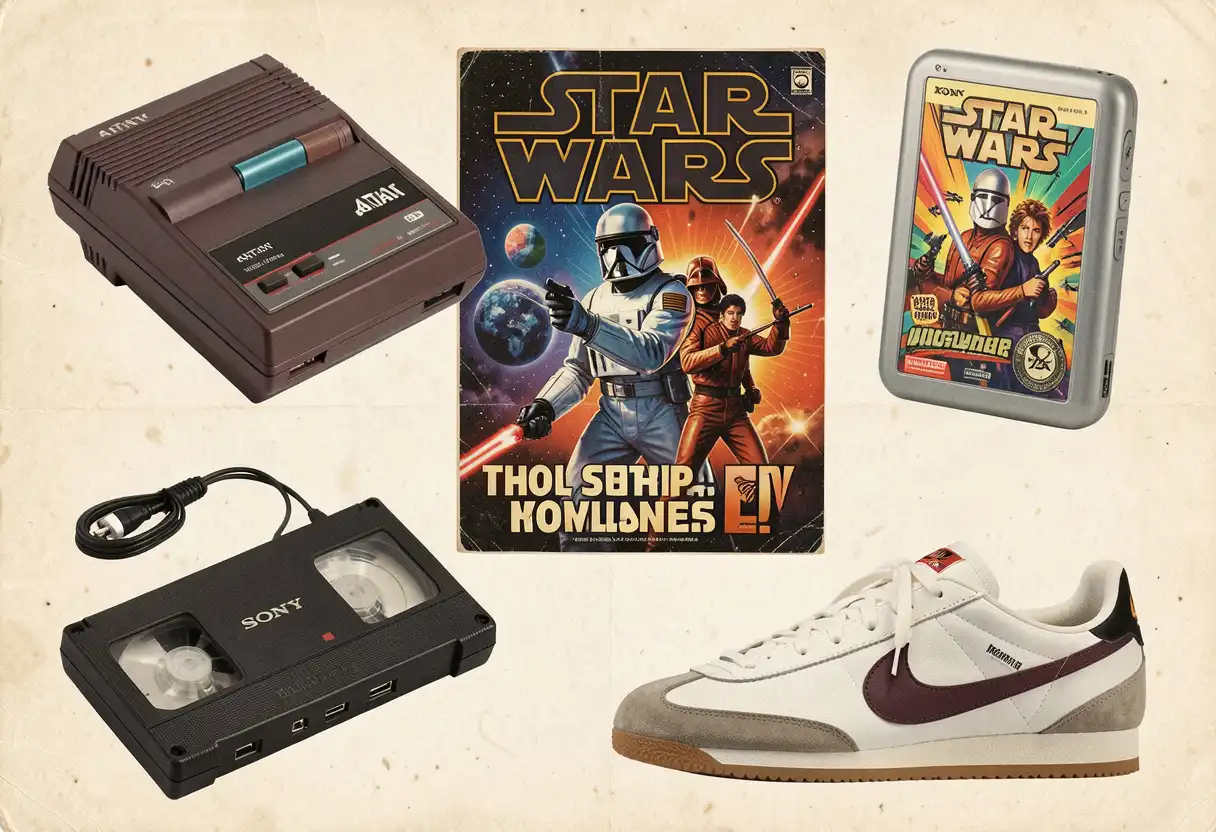
The 1970s were a turning point in modern history. It was a decade filled with experimentation, cultural shifts, and technological breakthroughs that quietly built the foundation of the world we live in today. While fashion trends like bell bottoms and disco balls often dominate nostalgic conversations, the real story of the seventies goes much deeper. This was a period when entertainment left the theater and entered the living room, when communication began moving from paper to digital networks, and when youth culture reshaped music, style, and personal identity in ways that still echo across generations.
The social climate of the decade encouraged bold ideas. Artists challenged tradition. Engineers pushed the limits of new technology. Entrepreneurs recognized opportunities that had never existed before. The result was a powerful mix of creativity and innovation that transformed daily life. Many things we now consider normal once felt futuristic, experimental, or even risky. Portable music, home gaming, video rentals, sticky notes on office desks, and massive summer movie releases all trace important chapters back to this era.
The seventies also introduced a new relationship between audiences and media. Fans became communities. Entertainment became interactive. Branding and merchandising evolved into cultural forces. The seeds planted during this decade grew into industries worth billions and shaped how we consume information, music, fashion, and film today.
Below are ten influential innovations and cultural moments that either began or exploded in popularity during the 1970s. Each one tells a story about how bold ideas, creative risks, and changing lifestyles came together to shape pop culture in lasting ways.
1. Home Video Game Consoles
The arrival of home video game consoles marked a dramatic shift in entertainment. Before the early nineteen seventies, video games were mostly found in research labs or large arcade machines. That changed in 1972 with the release of the Magnavox Odyssey, often recognized as the first commercial home video game console. It was simple by today’s standards, offering basic graphics and gameplay, yet it opened a door that would never close.
By 1977, the release of the Atari 2600 took the concept much further. Interchangeable cartridges allowed players to switch between different games without buying an entirely new system. This innovation introduced the idea of a software library, something that defines gaming even now. Families gathered in their living rooms to compete in games like Pong and Space Invaders, turning television screens into interactive playgrounds.
Image

Home consoles changed how people interacted with technology. Instead of passively watching programs, users became participants. The joystick became a symbol of a new kind of engagement. This shift helped normalize digital interaction and paved the way for personal computers, online gaming, and the massive global esports industry we see today.
The culture around gaming also began forming during this era. Friendly rivalries, high score competitions, and shared gaming experiences became part of household routines. What started as blocky pixels and simple sound effects evolved into one of the most influential entertainment industries in the world. The seventies planted the seed for a digital revolution that continues to expand with every generation.
2. Email
Email may feel ordinary today, but in 1971 it was revolutionary. The first true networked email was sent by computer engineer Ray Tomlinson on the early ARPANET system, which later evolved into the modern internet. His decision to use the at symbol to separate the user name from the host computer created a format that billions still use every day.
At the time, computers were massive machines located in universities and research facilities. Communication between them was limited and highly technical. Email transformed these networks into tools for human connection. It allowed messages to move almost instantly across long distances, removing the delays associated with traditional mail.
Image

What began as a simple experiment among researchers eventually reshaped business, education, and personal communication. Companies adopted email to streamline operations. Universities used it to connect faculty and students. Over time, it replaced memos, letters, and even many phone calls.
The impact goes far beyond convenience. Email laid the groundwork for digital communication culture. Concepts like inbox management, online etiquette, spam filtering, and digital signatures all grew from this early innovation. It also influenced the development of messaging apps and social media platforms.
In the seventies, few could have predicted that this quiet experiment would become a central pillar of global communication. Yet that is exactly what happened. Email proved that networks could connect people, not just machines, and it changed the rhythm of daily life forever.
3. Punk Rock Music
In the mid nineteen seventies, a loud and rebellious sound erupted from small clubs and underground venues. Punk rock rejected polished production and mainstream expectations. Bands like The Ramones and Sex Pistols delivered fast songs, raw lyrics, and a confrontational attitude that defined a generation.
Punk was more than music. It was a cultural statement. It embraced simplicity and authenticity over technical perfection. Songs were short, direct, and emotionally charged. The movement gave voice to frustration, economic uncertainty, and youth dissatisfaction.
Image

Fashion became part of the rebellion. Leather jackets, ripped clothing, bold hairstyles, and safety pins turned everyday items into symbols of defiance. Independent record labels flourished, proving that artists could succeed outside major corporate systems.
Punk’s influence stretched far beyond its initial wave. It inspired later genres such as alternative rock, hardcore, and grunge. It also shaped the do it yourself ethic that defines much of modern creative culture. Independent music production, zines, and underground art scenes all carry punk DNA.
The seventies punk explosion demonstrated that cultural movements do not need massive budgets to create lasting impact. A small group of determined musicians with a powerful message reshaped music and youth identity worldwide.
4. Microwave Ovens in the Home
Microwave technology existed before the seventies, but it was during this decade that microwave ovens became affordable for everyday households. As manufacturing improved and prices dropped, more families added this futuristic appliance to their kitchens.
The microwave changed cooking habits dramatically. Meals that once required lengthy preparation could now be heated in minutes. Busy families embraced the convenience. Frozen dinners and quick snacks became part of modern routines.
Image

This appliance also influenced food production. Companies developed microwave friendly packaging and new types of ready made meals. The relationship between time and cooking shifted, reflecting changing lifestyles where both adults often worked outside the home.
Beyond speed, the microwave symbolized technological progress entering domestic spaces. It represented a belief that innovation could simplify daily life. Today, it remains a staple appliance, proving that practical inventions can quietly reshape culture.
5. Star Wars (1977)
When Star Wars premiered in 1977, it did far more than entertain audiences. Created by George Lucas, the film introduced a cinematic universe that forever altered how stories were told, marketed, and expanded across media. At the time, science fiction films were not guaranteed box office successes. Studios viewed them as risky ventures with limited mainstream appeal. Yet Star Wars proved that audiences were hungry for imaginative storytelling on a grand scale.
The film blended mythic themes with cutting edge visual effects. Drawing inspiration from classic adventure serials, mythology, and futuristic imagination, Lucas crafted a story that felt timeless yet new. Characters like Luke Skywalker, Princess Leia, and Darth Vader became cultural icons almost instantly. Their journey was not simply a movie plot but an emotional experience that resonated across generations.
Image
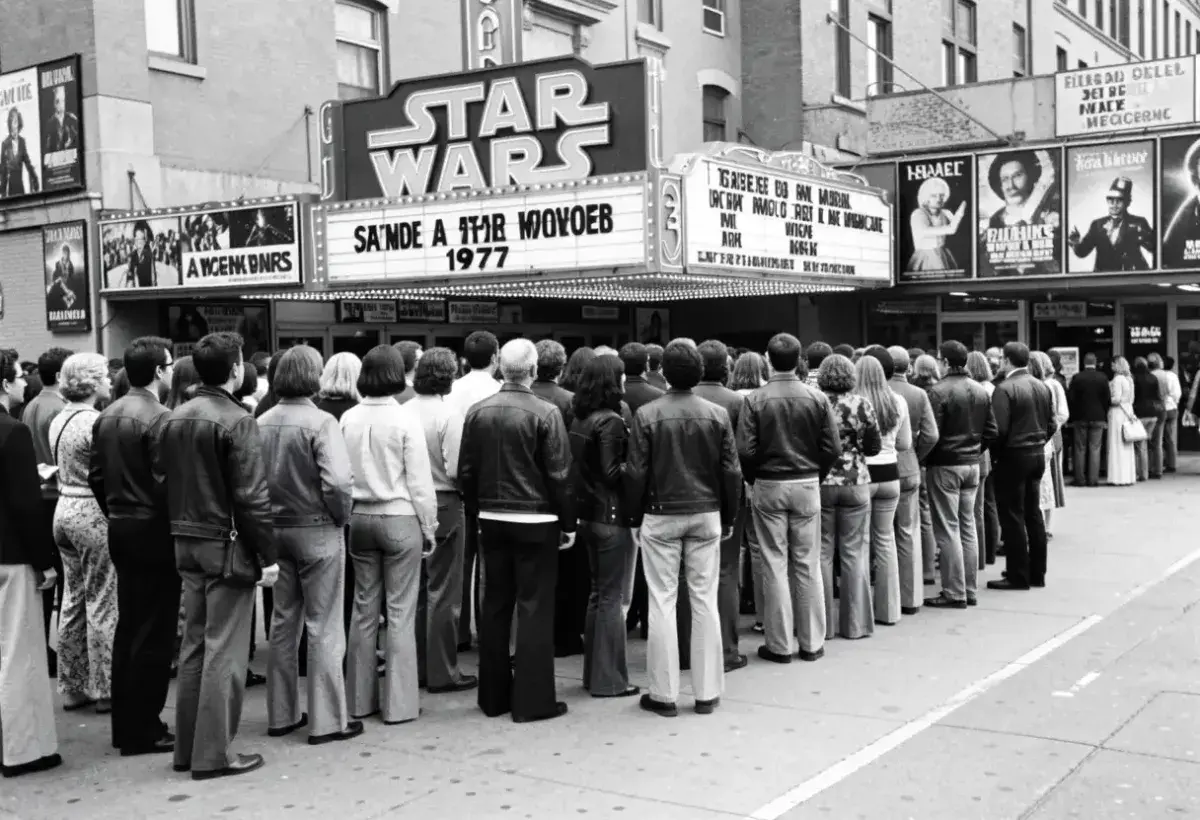
The technological achievements behind the film were just as influential as the story itself. The development of advanced special effects techniques pushed the boundaries of what was possible on screen. This innovation encouraged studios to invest heavily in fantasy and science fiction genres. The visual language of modern blockbuster cinema owes much to this groundbreaking production.
Merchandising also transformed because of Star Wars. Toys, action figures, clothing, lunch boxes, and collectibles created an entirely new revenue model. The film became not just a story but a brand. Fandom culture expanded dramatically, with conventions, fan clubs, and creative communities forming around the galaxy Lucas introduced.
Star Wars demonstrated that a single film could build a long lasting universe. It changed how movies were financed, promoted, and expanded. Its influence continues to shape cinema and pop culture decades later.
6. VCRs and Video Rentals
The rise of home video systems in the late nineteen seventies marked a dramatic shift in how audiences consumed entertainment. Formats like VHS and Betamax gave viewers control over what they watched and when they watched it. For the first time, television programming was no longer tied strictly to broadcast schedules. Families could record shows and replay them at their convenience.
Image
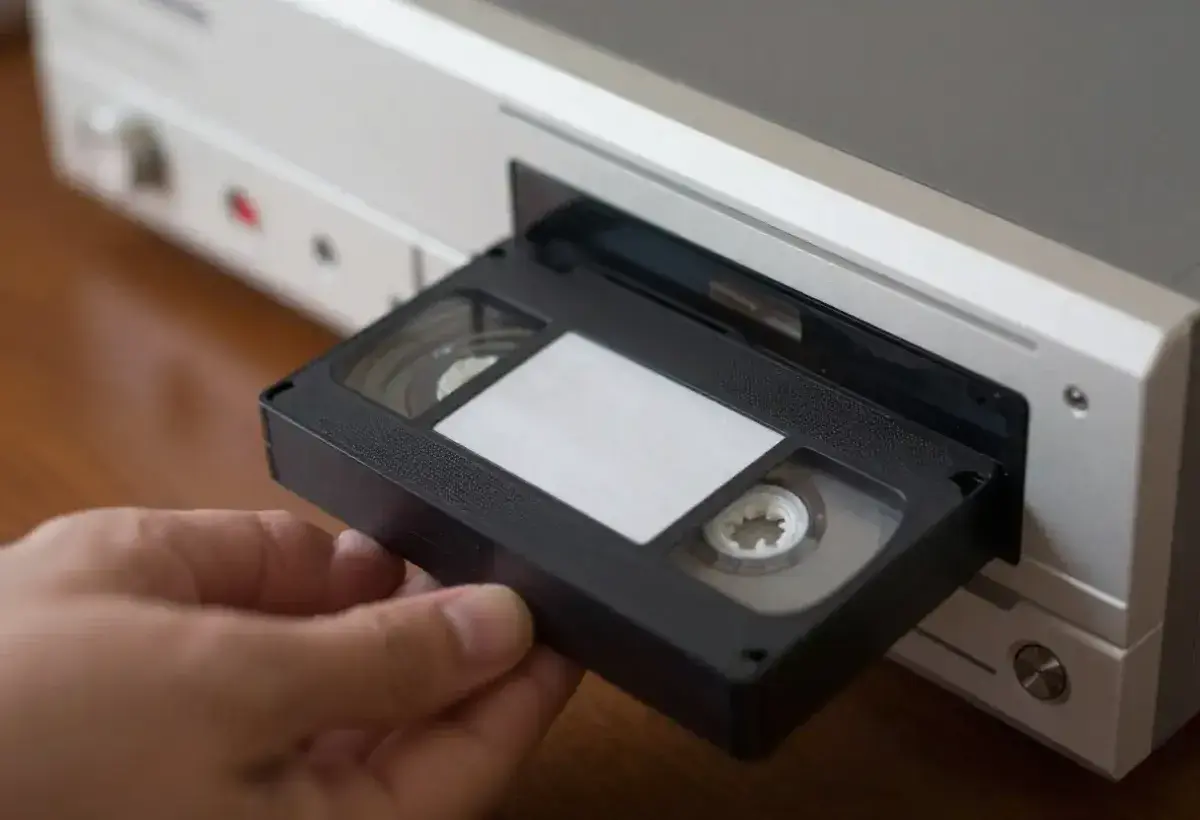
This innovation reshaped daily routines. Instead of gathering at a specific hour for a scheduled program, viewers began creating personalized viewing experiences. The ability to pause, rewind, and rewatch content was revolutionary. It introduced a new relationship between audience and media.
Video rental stores soon followed. Shelves lined with movie titles became a familiar sight in neighborhoods around the world. Selecting a film for a weekend evening became a social ritual. Browsing covers, reading summaries, and debating choices created shared experiences that extended beyond the film itself.
The home video revolution also impacted Hollywood economics. Studios realized that films could generate revenue long after theatrical releases. The concept of a secondary market became highly profitable. Independent films found new life through rentals, reaching audiences they might never have reached in theaters.
The foundations of modern streaming culture began here. The expectation that viewers could choose content on demand traces directly back to the VCR era. What began as bulky tape machines laid the groundwork for digital platforms that dominate today’s entertainment landscape.
7. The Walkman (1979)
In 1979, Sony introduced the Walkman, a compact cassette player that transformed music from a shared household experience into a deeply personal one. Before its release, listening to music typically required large stereo systems or radios. The Walkman allowed individuals to carry their favorite songs wherever they went.
Image

The impact was immediate. Headphones became a symbol of independence. People could create private soundtracks for daily life. Commuters, students, and athletes embraced the ability to immerse themselves in music without disturbing others.
This shift changed urban culture. Public spaces filled with individuals experiencing music privately. The concept of portable audio evolved from novelty to necessity. The Walkman influenced fashion as well, with headphones becoming visible accessories.
Beyond lifestyle changes, the device altered the music industry. Mixtapes became popular, allowing listeners to curate personal collections. Artists recognized the importance of albums that flowed seamlessly for continuous listening.
The Walkman paved the way for portable CD players, MP3 devices, and eventually smartphones. The idea that music should travel with us began here. It represented freedom, mobility, and personal expression in a compact form.
8. Post it Notes
Post it Notes emerged from an unexpected discovery at 3M. A weak adhesive created during an experiment seemed like a failure at first. Instead of discarding it, researchers explored its potential. The result was a small piece of paper that could stick temporarily without leaving residue.
Image

Initially introduced in select markets, the product quickly gained popularity after users recognized its convenience. Offices adopted sticky notes for reminders, brainstorming sessions, and communication between coworkers. Their bright yellow color made messages stand out instantly.
At home, families used them for grocery lists, reminders, and organization. The simplicity of the product became its greatest strength. Unlike complex technology, Post it Notes required no instructions.
The invention also highlighted the value of experimentation and persistence. What appeared to be a mistake became a globally recognized office essential. Today, sticky notes are available in countless sizes and colors, yet their core function remains unchanged.
This small invention quietly shaped productivity and organization in modern workplaces. It stands as proof that innovation does not always require complexity to leave a lasting mark.
9. Iconic Sneakers
The early nineteen seventies marked a turning point in footwear design and cultural identity. Athletic shoes began crossing over from sports arenas into everyday fashion. The Nike Cortez was introduced as a high performance running shoe, yet it quickly gained popularity beyond athletics. Its sleek design and comfort made it a lifestyle choice.
Similarly, the Adidas Superstar transitioned from basketball courts into street culture. Its distinctive shell toe design became instantly recognizable.
Image

Sneakers became symbols of youth culture and self expression. Music artists and athletes amplified their popularity. As hip hop culture emerged later in the decade, sneakers became part of a broader identity movement.
Marketing strategies evolved as well. Brands began associating shoes with lifestyle rather than only performance. Limited releases and signature models developed into powerful tools for brand loyalty.
Today’s sneaker resale markets and global hype culture can trace their origins to this era. What started as practical sportswear evolved into a multibillion dollar fashion phenomenon rooted in seventies innovation.
10. The First Blockbuster Movie
In 1975, Jaws, directed by Steven Spielberg, redefined Hollywood strategy. While films had achieved commercial success before, Jaws introduced the concept of the modern summer blockbuster. Its wide release across numerous theaters combined with heavy national advertising created unprecedented anticipation.
Image

The film’s suspenseful storytelling captivated audiences. Lines formed outside cinemas. Word of mouth spread rapidly. The shark became a symbol of cinematic tension.
Studios quickly recognized the power of coordinated marketing and seasonal releases. Summer became prime time for high budget spectacles designed to attract massive audiences. This strategy continues today with major franchise releases dominating peak seasons.
Jaws demonstrated that a film could become a cultural event. It shifted the business model of Hollywood toward large scale productions supported by national campaigns. The blueprint it established still influences how movies are planned, financed, and released.
The blockbuster era began in the seventies, and its ripple effects continue to shape global cinema.
The 1970s were far more than a nostalgic backdrop of colorful fashion and disco lights. They were a launchpad for ideas that transformed communication, entertainment, business, and lifestyle. From the first home gaming systems to revolutionary films and everyday office supplies, the decade demonstrated how experimentation can lead to lasting influence.
What makes the seventies remarkable is how many of its innovations still feel relevant. We still play video games at home. We still send email. We still watch blockbuster movies, wear iconic sneakers, and jot reminders on sticky notes. Portable music has evolved, yet the concept remains rooted in that first Walkman. Streaming services may have replaced VHS tapes, but the idea of watching what we want when we want began decades ago.
Pop culture is often shaped by bold risks and creative leaps. The seventies delivered both in abundance. It was a decade that quietly built the digital, cinematic, and cultural landscape we now consider normal. Looking back at these milestones reminds us that many everyday experiences once began as daring experiments.
The legacy of the nineteen seventies proves that innovation and creativity can reshape the world in ways that echo for generations.