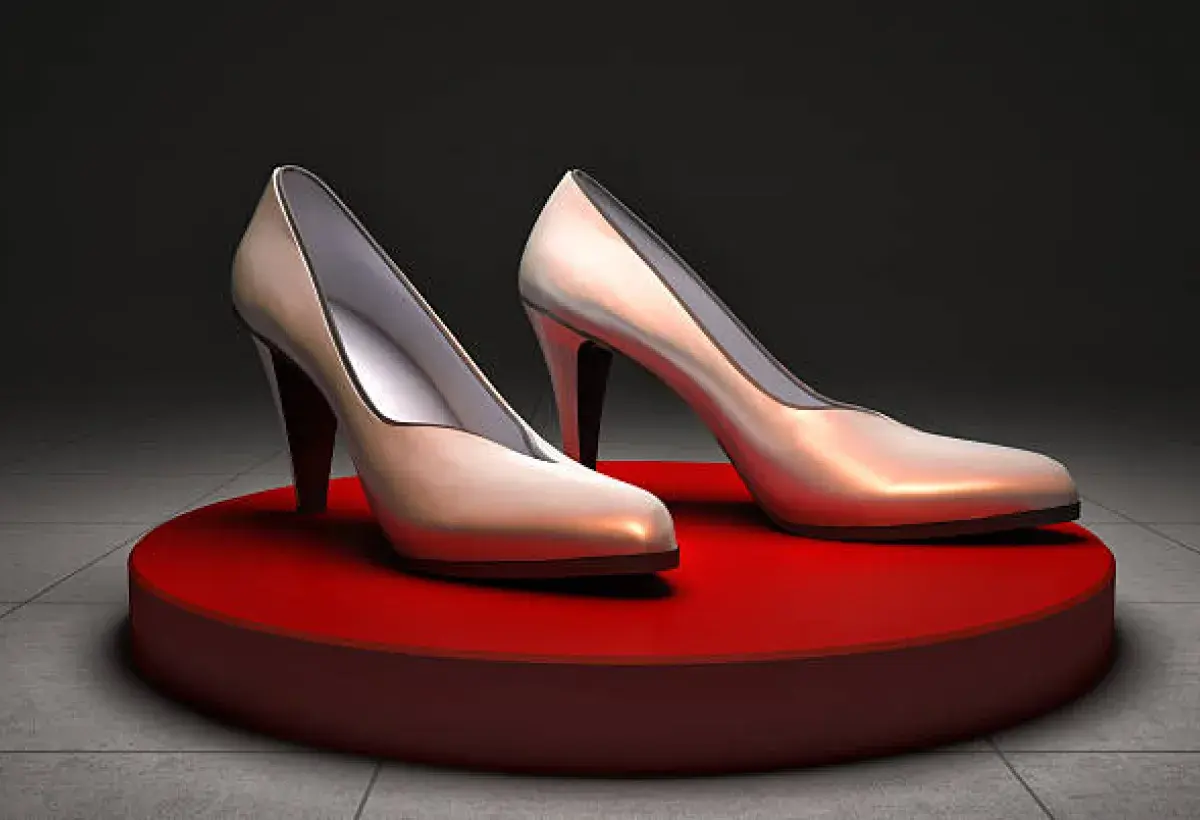


High heels have always held a unique place in the world of fashion. They capture attention, shape silhouettes, and create an instant sense of confidence that feels both empowering and expressive. Many people today associate high heels with glamour, elegance, and modern femininity, but their story stretches far beyond the world of runways and red carpets. The journey of the high heel spans continents, centuries, and many shifts in culture and society. The deeper one looks into their past, the more surprising their evolution becomes.
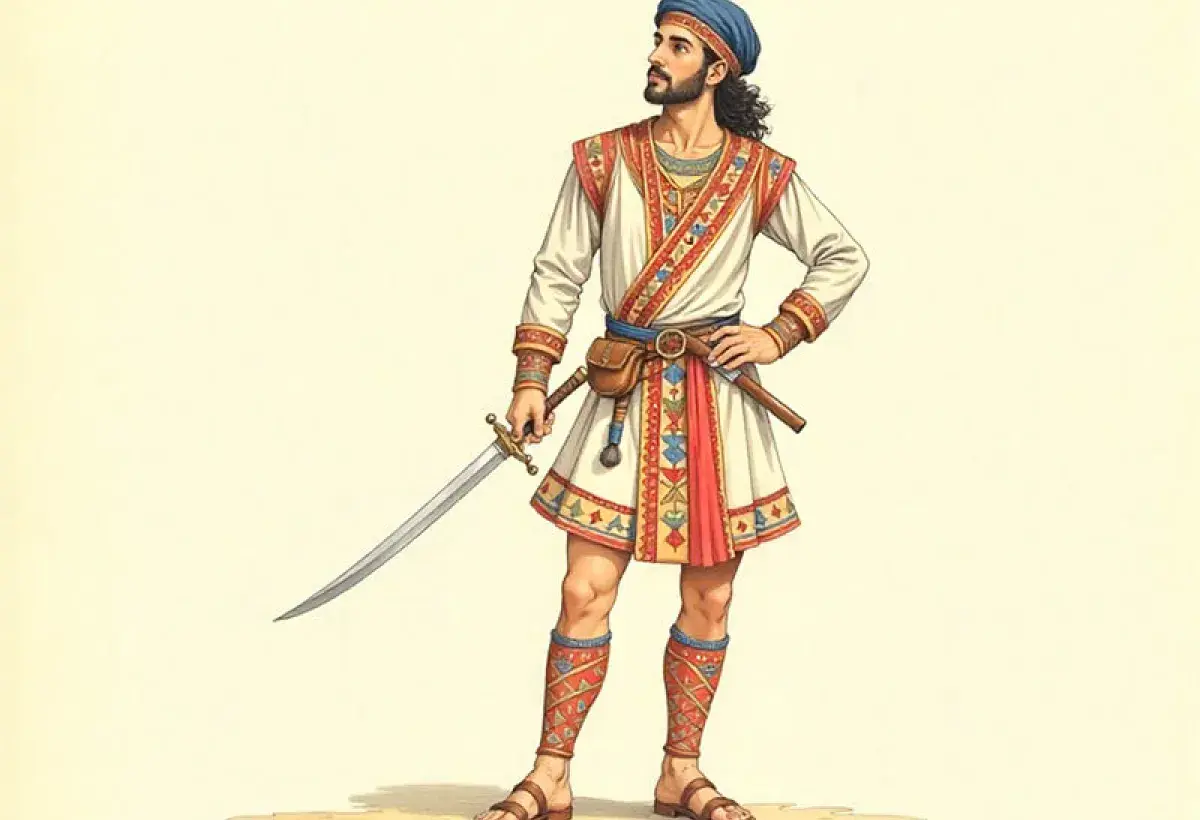
The earliest known use of elevated footwear did not begin in fashion houses or among wealthy nobles. Instead, it took root in ancient military practices. Persian cavalry soldiers wore heels to help secure their feet in stirrups while riding into battle. This clever design improved stability and provided a tactical advantage. It is fascinating to realize that something that is now associated with glamour once served a practical purpose in warfare. Over time, the idea of elevated shoes migrated from the battlefield to the courts of Europe. Aristocrats viewed high heels as an unmistakable signal of wealth and power. Wearing heels meant one did not need to perform physical labor, which immediately separated the upper classes from the rest of society.
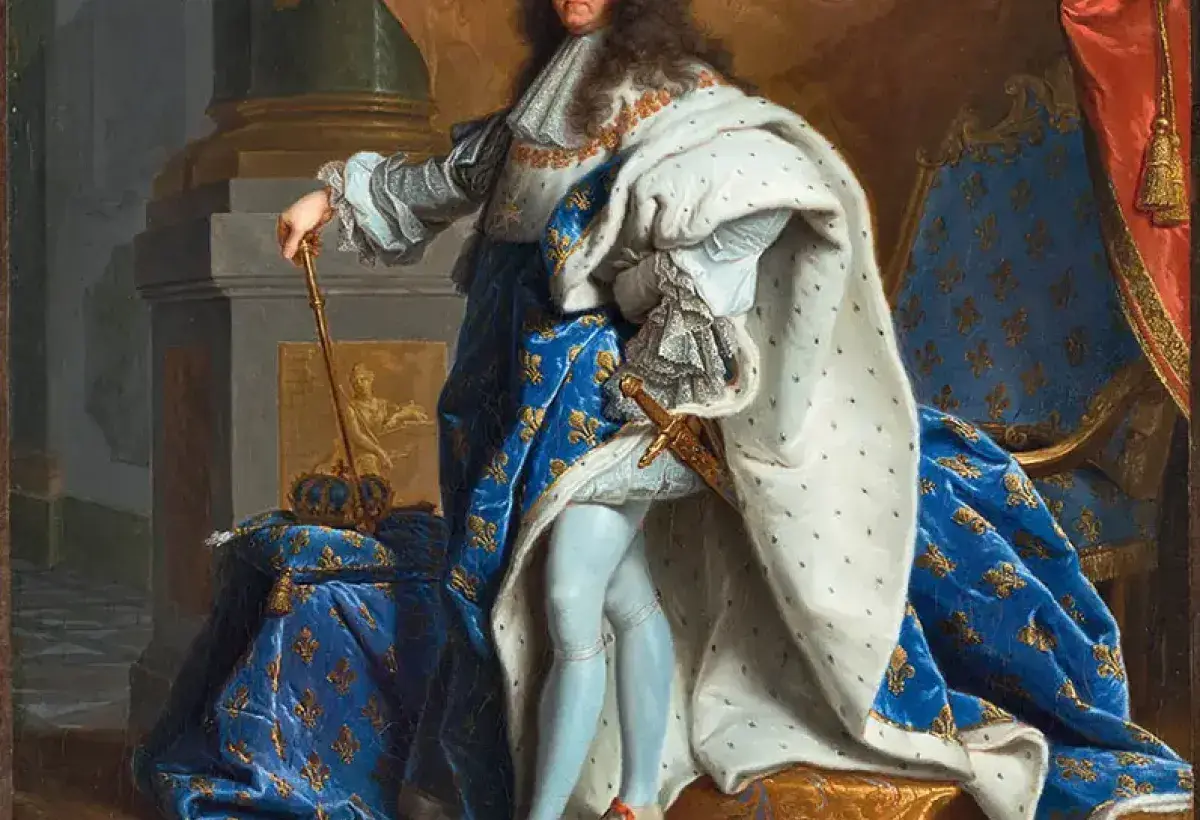
European royalty took this trend even further. King Louis XIV of France famously wore bright and decorative heels that became part of his royal identity. His preference for bold red soles turned heels into a symbol recognized across the world. This association with luxury can still be seen today in several high fashion brands that use red soles as a design trademark. Throughout history, heels have repeatedly shifted meanings. They have represented strength, authority, prestige, style, and desire. They have also sparked discussions about comfort, identity, and creativity.
Image
1. Not Just for Women
It often surprises people to learn that high heels were originally designed for men. The earliest known wearers were Persian cavalry soldiers. They used heels as a functional tool to maintain balance and control while standing in their stirrups during battle. This practical detail changed the way soldiers fought and improved their combat efficiency. The elevated heel prevented boots from slipping forward, which made archery on horseback significantly easier. As Persian influence spread through trade and culture, European observers became fascinated by the unique appearance of these elevated shoes.
When heels reached Europe, they quickly transformed from military gear into a status symbol. Wealthy men in the sixteenth and seventeenth centuries adopted the style as a way to present themselves as powerful and sophisticated. Wearing heels represented prestige because they were impractical for daily labor. Only men of high social rank could afford to wear something purely ornamental. This transition shows how fashion often borrows elements from unexpected origins. Clothing pieces that once served military purposes can take on new meaning once placed in a different cultural context.
As time passed, European courtiers adjusted the design to create more exaggerated shapes. Men wore heels that were painted, embroidered, and decorated with symbols of lineage. The heel became a display of personality and identity. It reflected social standing, wealth, and refinement. Some men even wore heels to make themselves appear taller in diplomatic settings, where height was associated with authority.
Eventually, the trend evolved again, this time becoming more popular among women. As women began adopting the style, designers created slimmer and more decorative versions. Over the centuries that followed, heels slowly shifted culturally until they became primarily associated with women. However, the original history remains a reminder that fashion is not fixed. It evolves continuously and often challenges modern assumptions about gender and tradition.
Image
2. A Royal Trendsetter
King Louis XIV of France played one of the most important roles in the history of high heels. Known for his vibrant personal style and love for theatrical presentation, he used fashion to reinforce his authority. One of the most iconic elements of his wardrobe was his collection of heeled shoes. These heels were richly decorated, brightly colored, and instantly recognizable. They allowed him to stand taller physically as well as politically. In a time when royal presence was essential to maintaining power, he understood the value of appearance and symbolism.
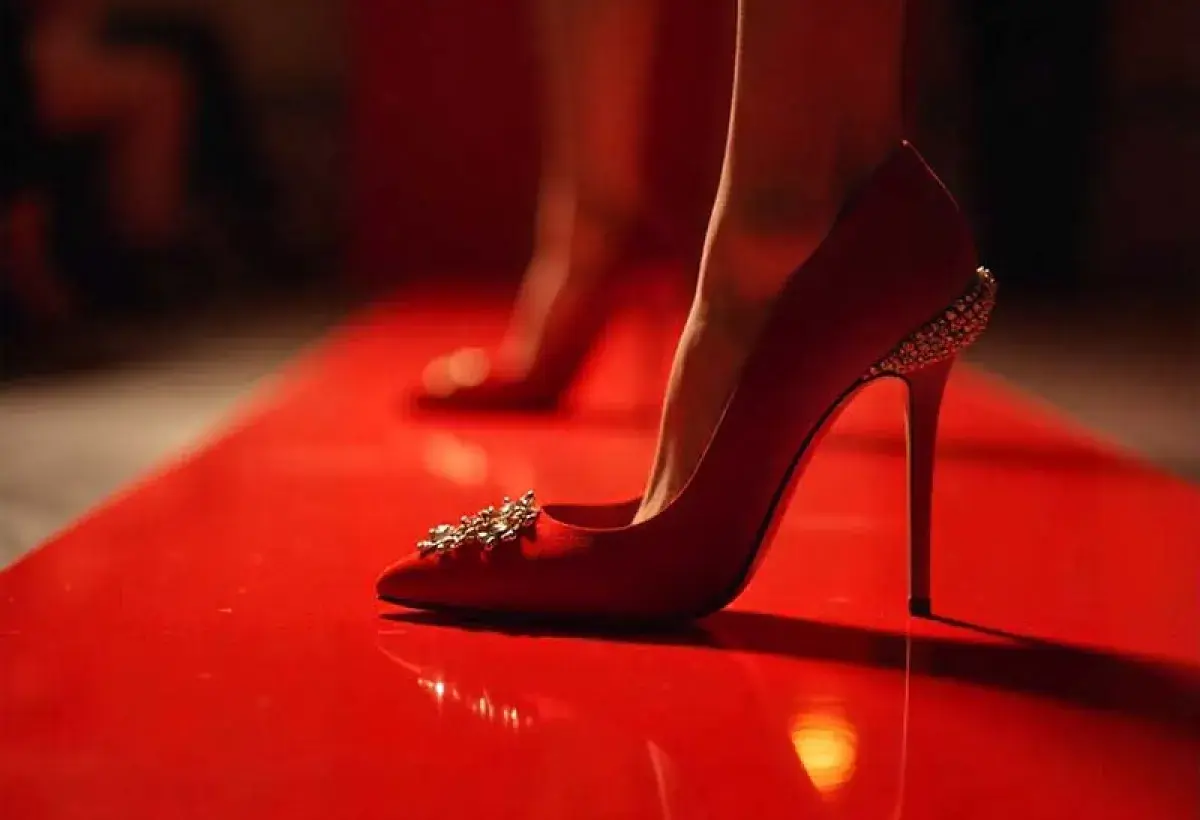
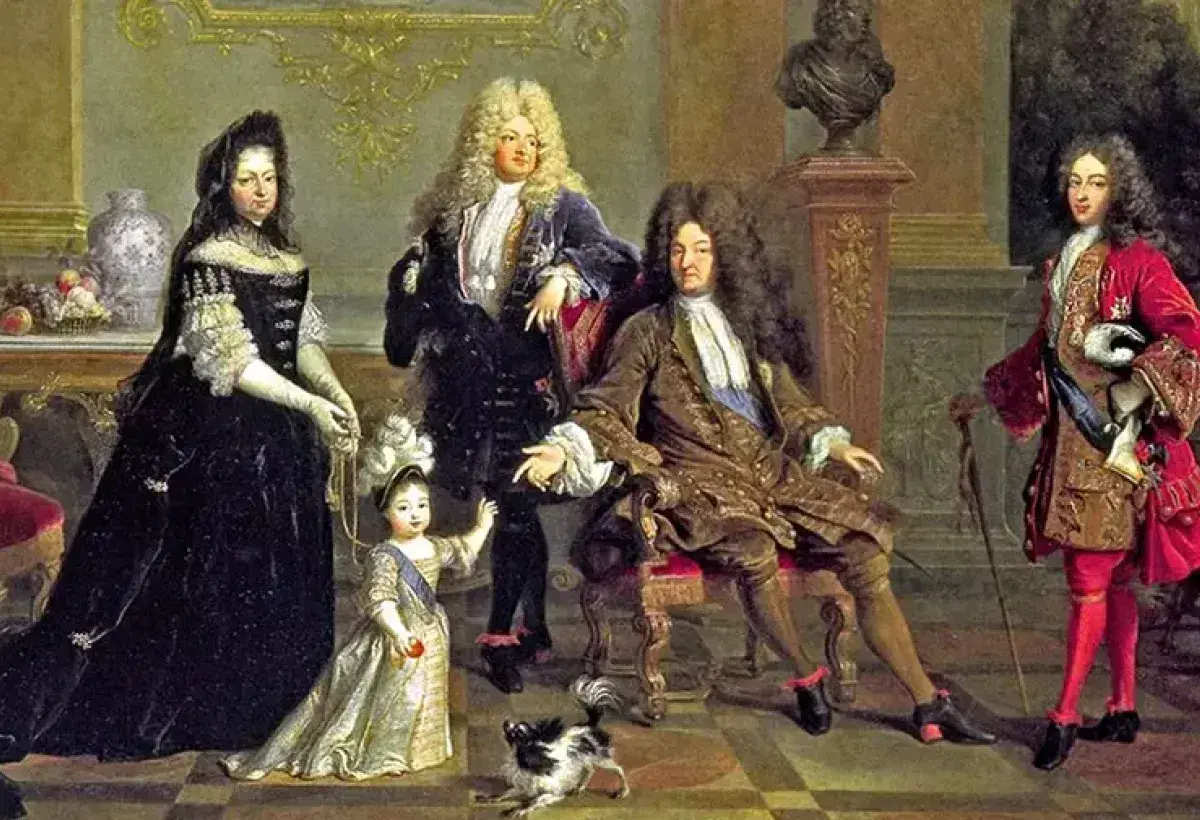
One of his most memorable contributions was the introduction of red soles and red heels as exclusive symbols of the royal court. Only members of the aristocracy with royal permission were allowed to wear them. This exclusivity turned red heels into a marker of privilege that signaled belonging to the king’s inner circle. They became a visual representation of loyalty and elite social rank. The idea that a specific shoe color could reflect power may sound modern, especially given the popularity of red bottom heels today, but it originated centuries earlier in Louis XIV’s palace.
His influence extended far beyond footwear. King Louis XIV shaped fashion across Europe, and his signature heels helped transform the public perception of elevated footwear. Before his rise to power, heels were a practical tool for horseback riding. After he embraced them, they became a luxurious statement accessory. Portraits of the king often featured him in elaborate poses that displayed his heels prominently, ensuring that viewers understood their role as part of his identity. These artistic depictions preserved the significance of his footwear long after his reign ended.
The trend he inspired continued to influence European nobility. Court members imitated his style to gain favor and express loyalty. High heels became associated with elegance and aristocratic privilege. Designers experimented with shapes, patterns, and heights, leading to more elaborate construction and craftsmanship. The red heel, in particular, remained a symbol of refinement and exclusivity. Modern high fashion still uses red soles to evoke luxury, showing how one ruler’s personal taste can leave a lasting cultural fingerprint.
Image
3. Power and Status Symbol
Throughout much of history, clothing and accessories have been used to communicate social position. High heels were no exception. In many cultures, heels indicated that the wearer belonged to a privileged class. Elevated shoes prevented garments from touching dirt and mud, which meant the wearer was likely someone who did not engage in physical labor. This distinction became a visual cue that separated the elite from the working class.
In Europe, heels gained prominence among aristocrats who used them to express authority. Court members often wore heels that matched their elaborate outfits. The higher and more ornate the heel, the more prestige it suggested. Some individuals even commissioned custom heels adorned with family crests or heraldic symbols. This personalization turned footwear into a form of status communication similar to jewelry or luxury fabrics.
Heels also played a role in diplomacy and politics. Taller stature has historically been associated with leadership and confidence. Many rulers and nobles wore heels to project a commanding presence during public appearances. This practice highlights how fashion can influence the perception of power. Even a small change in height could create a sense of superiority in social interactions.
In some cultures, heels served as both practical and symbolic tools. For example, pattens and chopines were raised footwear worn in medieval and Renaissance Europe to protect shoes from dirty streets. While originally functional, they soon became a sign of wealth because taller versions required careful walking and carried a sense of impractical elegance. The association between heels and status remained strong through the centuries.
Over time, as heels transitioned from men’s fashion to women’s fashion, the symbolism evolved but never disappeared. Heels began to represent refined femininity and luxury. They appeared in portraits of noblewomen, royal ceremonies, and special occasions. As societies modernized, heels continued to signal sophistication. Even today, many people view high heels as a marker of elegance and confidence. While the interpretation may change with each era, the connection between heels and status endures.
Image
4. Stilettos Came Later
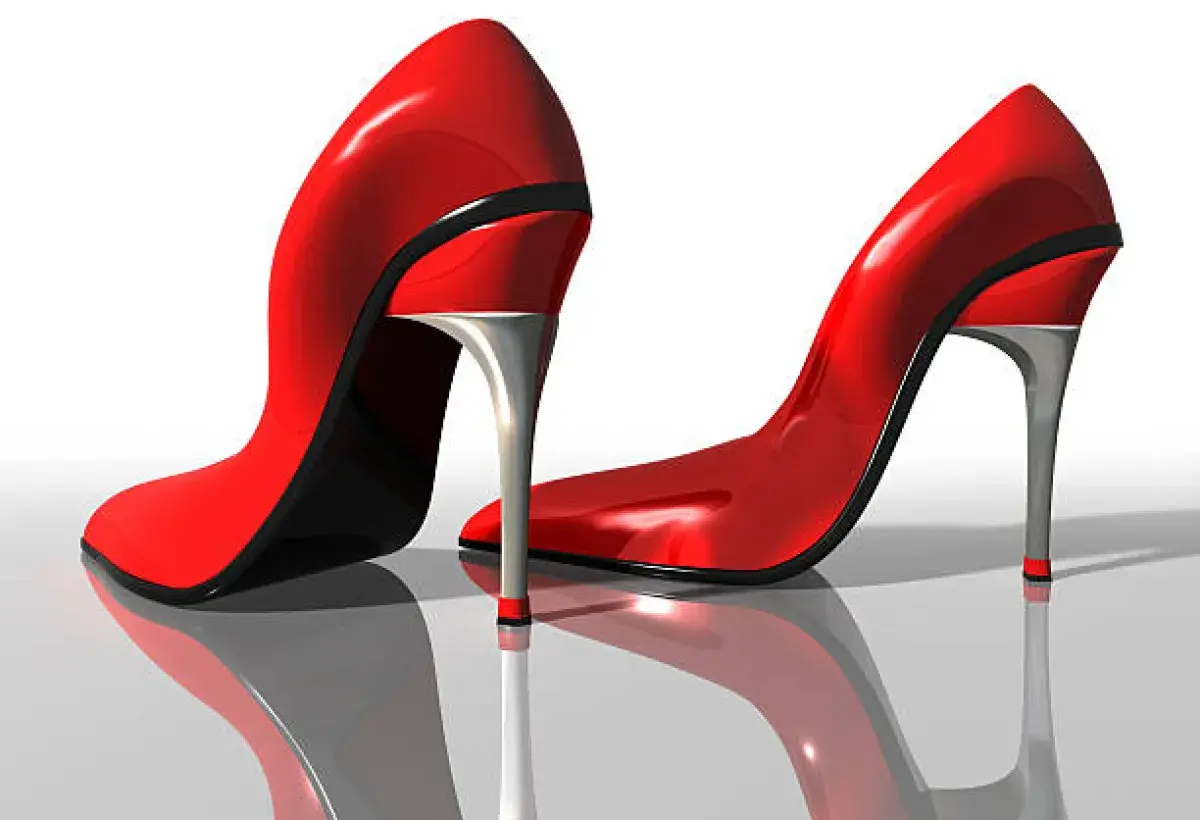
The stiletto heel is one of the most instantly recognizable shoe designs in the world. Its slim and towering silhouette has become iconic in both fashion and pop culture. But despite the popularity of stilettos today, they are actually a fairly modern invention. Early heels were thick, block shaped, and designed to provide stability rather than dramatic height. The evolution toward slender, high reaching heels did not take shape until the twentieth century.
Stilettos became possible due to advancements in industrial manufacturing. Before the invention of strong steel shafts, heels could not support the wearer if they were too thin or tall. Designers experimented with various materials but could not create the stability required for the narrow shape that defines the modern stiletto. Everything changed in the 1950s when steel technology improved. Designers began inserting thin steel rods into the heel, allowing for new shapes that were both supportive and stylish. The result was a sleek and elongated heel that transformed women’s footwear.
The introduction of stilettos coincided with major cultural changes. The post war era brought a renewed focus on glamour, beauty, and expressive fashion. Women around the world embraced stilettos as a symbol of elegance and individuality. These shoes appeared in magazines, movies, and advertisements that promoted a polished and confident image. Many fashion houses quickly adopted the trend, presenting styles that emphasized the curve of the foot and the accentuated posture created by the stiletto.
Stilettos also influenced the way people walked and carried themselves. The narrow heel naturally shifts weight to the front of the foot and enhances the shape of the legs. This visual effect played a significant role in the popularity of the design. Stilettos quickly became associated with sophistication and sensuality. Over the decades, designers continued experimenting with variations, creating everything from artistic avant garde styles to sleek everyday versions.
Today stilettos are recognized as a timeless fashion staple. Their design remains largely unchanged because the original structure achieved a perfect balance of form and visual impact. They continue to appear in films, runway shows, and cultural imagery that celebrates high fashion. Although they arrived later in the history of heels, stilettos left an unmistakable mark on the world of design.
Image
5. Record Breaking Heights
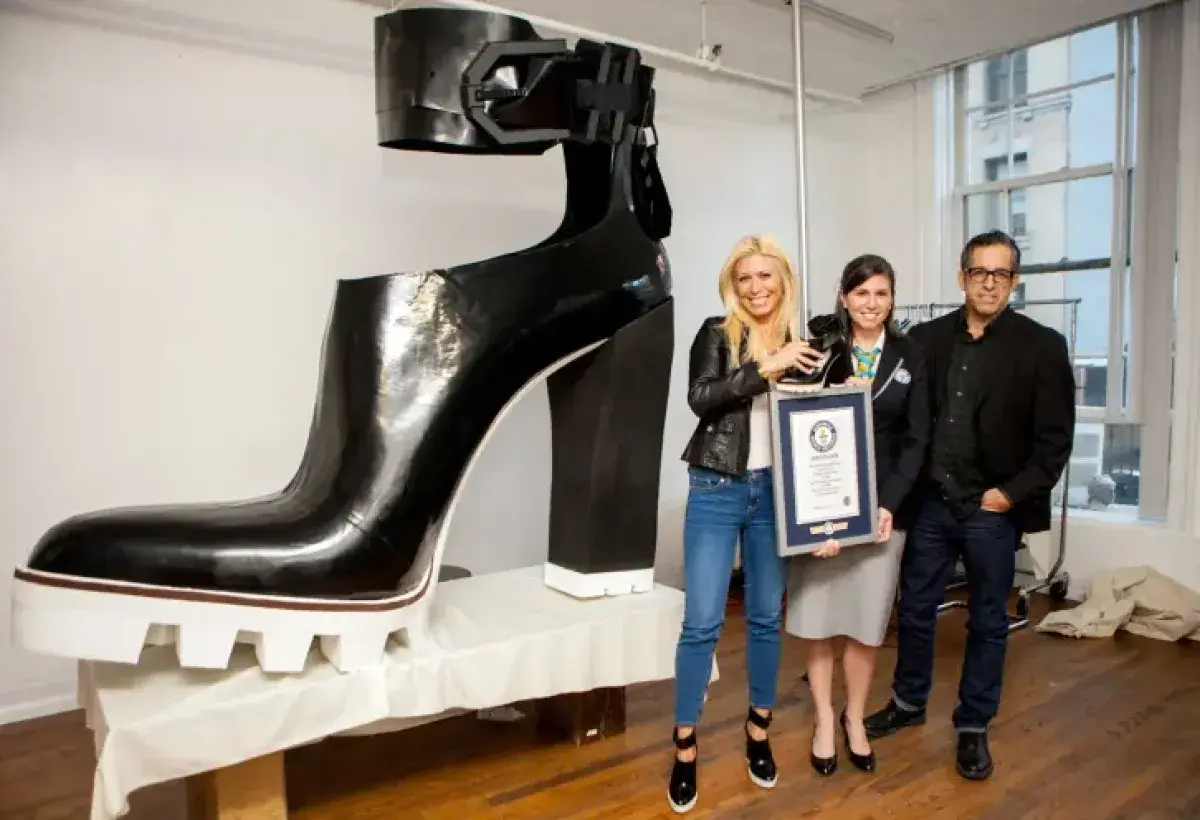
High heels have pushed the boundaries of creativity and engineering. While most people wear heels that range from modest to moderately tall, there have been many attempts to create dramatic and record setting designs. One of the most astonishing examples is the tallest wearable high heels ever recorded, which measured over twenty inches in height. These shoes were created more as a display of craftsmanship and artistic imagination rather than practical daily footwear.
Designers who attempt such extremes often aim to test the limits of balance, structure, and visual impact. The construction of extremely tall heels requires reinforced materials, specialized shaping, and careful weight distribution. Without precise engineering, shoes of these heights would collapse or be impossible to stand in. For this reason record breaking heels are usually worn only for photographs, exhibitions, or performance art rather than everyday use.
Throughout history, many cultures experimented with exaggerated footwear heights. For example chopines in Renaissance Venice sometimes reached up to twenty inches as well. These towering shoes were used to elevate wealthy women above muddy streets and were also seen as symbols of social status. The taller the chopine, the higher the social ranking it suggested. Women often required assistants to help them walk, which further emphasized their privileged position.
Modern record breaking heels continue this tradition of theatrical display. They serve as conversation pieces in museums, design competitions, and fashion showcases. Many of these extreme heels highlight the creative freedom of shoe designers who view footwear as a form of art. Social media has also amplified interest in unusual and extreme designs. Photos and videos of people attempting to walk in unusually tall heels often captivate audiences and spark curiosity about how such shoes are made.
While these towering creations are not meant for daily wear, they help demonstrate the wide range of possibilities in heel design. They show that footwear can transcend function and become an artistic expression of imagination and craftsmanship. Giant heels make us rethink what shoes can be and how far designers can push the boundaries of form and height.
Image
6. Heels in Hollywood
Hollywood has played a powerful role in shaping the global appeal of high heels. Film stars helped transform heels into symbols of glamour, allure, and sophistication. One of the most memorable actresses associated with heels is Marilyn Monroe. Her graceful movements and iconic sense of style contributed to the widespread fascination with high heeled footwear. Monroe even claimed that she walked better in heels than in flat shoes, which added to her legendary image.
Cinema in the mid twentieth century frequently showcased women wearing heels in scenes that emphasized elegance and confidence. Directors and costume designers understood that heels could enhance an actress’s posture and silhouette. Heels elongated the legs, accentuated curves, and created a sense of presence that suited the storylines of romance, drama, and musical films. As audiences watched their favorite stars glide across the screen, many aspired to recreate the same sophisticated look.
Hollywood continued using heels as symbolic elements in character development. A pair of heels could represent transformation, confidence, or power. Films often featured scenes where characters experienced pivotal moments while wearing heels. Whether stepping onto a stage, entering a ballroom, or walking into an important meeting, heels helped convey emotional strength and personal evolution. Costume designers recognized the storytelling potential of footwear and used it strategically.
Over time, heels became synonymous with red carpet glamour. Celebrities regularly appeared at premieres and award shows wearing designer heels that complemented elaborate gowns. These events introduced new heel designs to the public and influenced fashion trends worldwide. Photographers captured striking images of stars wearing heels from leading fashion houses, and magazines highlighted these styles in fashion spreads.
Even today heels remain an essential part of Hollywood aesthetics. Actresses, singers, and performers often choose high heels to project elegance and confidence. The influence of Hollywood has ensured that heels occupy a significant place in pop culture. The connection between celebrity fashion and high heel popularity continues to shape consumer trends and inspire new generations of designers and fans.
Image
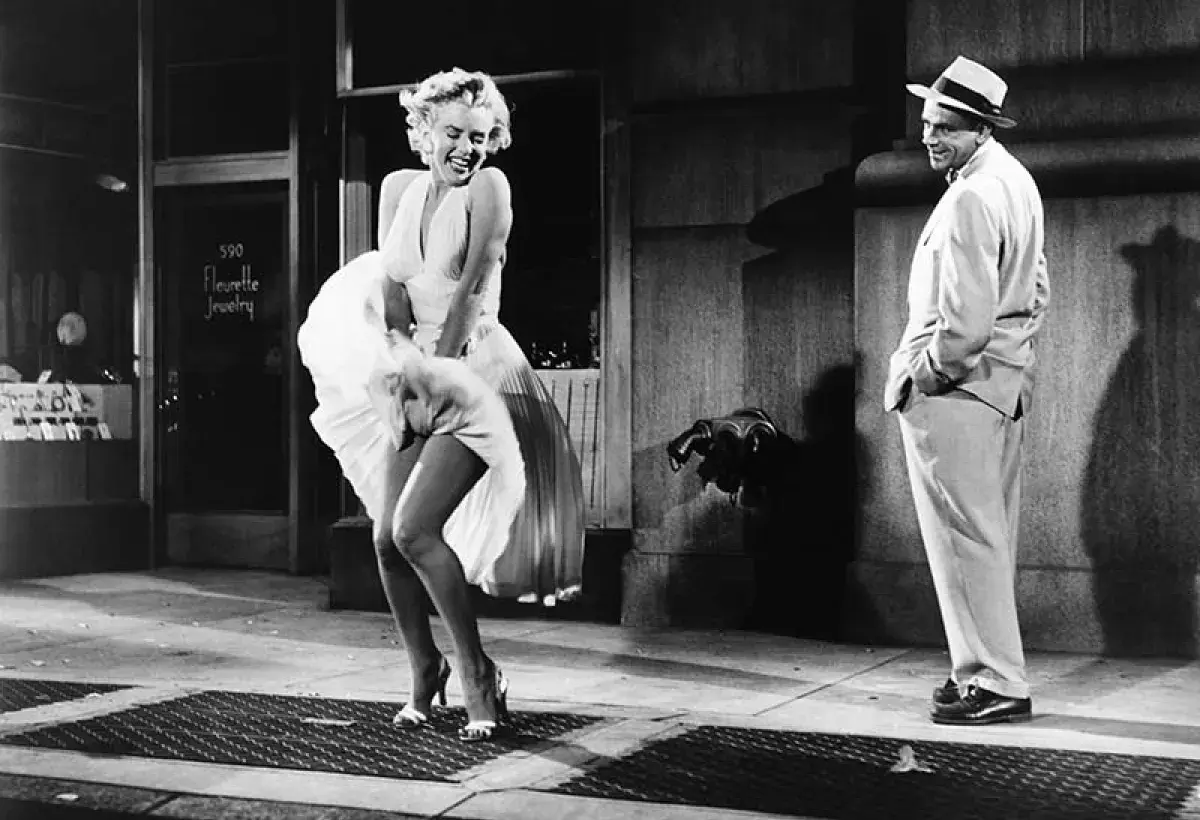
7. They Can Affect Your Posture
High heels do more than change appearance. They also influence the way the body moves and carries weight. When someone wears heels, the body naturally shifts forward because the foot is placed at an angle. This shift causes several adjustments throughout the skeletal and muscular systems. The spine curves differently, the hips tilt slightly, and the knees take on a new alignment. These changes create the elegant posture that many associate with heel wearing.
The forward shift in body weight can make the legs appear longer and the calves look more defined. This visual enhancement is one reason many people enjoy the look of heels. However, the posture changes also explain why heels may feel uncomfortable after long periods. When the body adapts to the new alignment, certain muscles work harder than they normally would. For example, the calf muscles stay in a shortened position, and the lower back may experience extra tension as it compensates for the altered center of gravity.
Even with these physical effects, many people find heels worth wearing for special occasions or professional settings. Designers have responded by creating heels that try to balance fashion with comfort. Cushioned insoles, ergonomic structures, and supportive materials have made modern heels more wearable than early designs. Many individuals also switch between heel heights throughout the day to reduce fatigue.
Heels can also influence walking patterns. The wearer takes shorter steps and places more weight on the ball of the foot. This creates a distinct walking style that is often seen as elegant and deliberate. Some people enjoy the confident feeling that comes from this change in movement. Over time experienced heel wearers learn techniques to walk smoothly and maintain balance even in higher styles.
Understanding how heels affect posture can help individuals make informed choices about the type of heel they prefer. While heels may shift the body in noticeable ways, their overall effect can be managed with proper awareness and heel selection. Many people enjoy the aesthetic benefits while adjusting their usage to maintain comfort. Heels remain a powerful combination of style, body mechanics, and personal choice.
Image

8. Variety of Styles
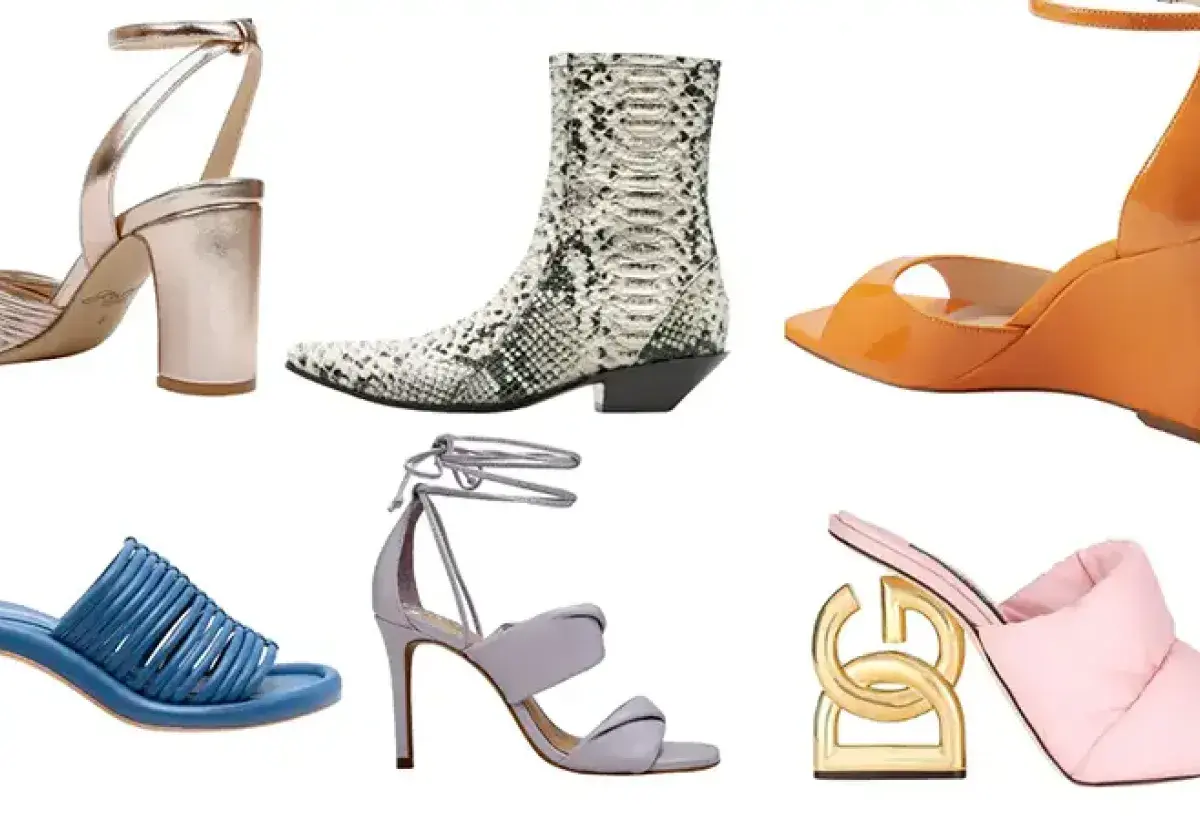
One of the reasons high heels remain popular across generations is the incredible variety of styles available. Heels come in many shapes, heights, and designs, each offering a unique look and feel. From delicate kitten heels to towering platforms, the diversity allows people to express their personality and adapt to different occasions. This wide range of styles keeps heels exciting and ensures that there is a suitable option for almost every preference.
Kitten heels offer a low and comfortable height while still creating a polished appearance. They are often chosen for professional or casual settings where ease of movement is important. Mid height heels strike a balance between style and comfort, making them versatile for both daily wear and special events. High heels provide dramatic lift and create a striking silhouette that enhances the legs and posture.
Platform heels distribute weight more evenly across the foot by adding thickness to the sole. This design allows for taller heels without increasing the angle of the foot. Platforms became especially popular in the mid twentieth century and experienced several revivals in fashion. They often appear in bold and playful styles that attract attention.
Other heel types include block heels, which offer stability due to their wider base, and wedge heels, which provide continuous support along the entire foot. Sculpted heels showcase artistic creativity by experimenting with unique shapes such as curves, geometric lines, or carved materials. Designers frequently revisit classic shapes while introducing new interpretations for modern audiences.
Color, texture, and material also contribute significantly to style variation. Leather, suede, satin, acrylic, and even transparent materials help create distinct looks. Decorative elements such as embroidery, jewels, metallic accents, and printed patterns add personality and flair. This creative freedom is one reason heels maintain their appeal in fashion shows, retail design, and personal styling.
The abundance of styles allows heels to transcend cultural and generational boundaries. Whether someone prefers minimalist designs or extravagant statements, there is always a heel style that aligns with their taste. The evolving world of heel design continues to reflect innovation, individuality, and artistic expression.
Image
9. Pop Culture Icon
High heels have become powerful symbols in pop culture. They appear in music videos, album covers, movies, television series, and fashion campaigns. Their presence often communicates glamour, confidence, and sophistication. Heels can represent ambition, transformation, or personal expression. This symbolic value makes them central to storytelling and imagery across many platforms.
In the world of music, performers frequently use heels to enhance stage presence. A well designed pair of heels can help shape choreography and contribute to the visual style of a performance. Iconic artists use heels to define their image. Whether the look is bold, elegant, fierce, or playful, footwear often contributes significantly to the overall effect. Music videos regularly highlight heels in close up shots that emphasize movement and energy.
Films and television also reinforce the cultural significance of heels. Characters often experience memorable moments while wearing heels, such as entering a ballroom, stepping onto a runway, or transforming from shy to confident. In many stories, shoes carry symbolic meaning. A character who puts on heels may be preparing for a pivotal event or embracing a new identity. Costume designers use heels intentionally to support narrative themes.
Runway shows further elevate the status of heels in pop culture. Designers showcase heels that range from classic and elegant to daring and unconventional. Social media amplifies these moments, allowing runway images to circulate globally within minutes. Heels often become trending topics when celebrities debut new designs or when fashion houses reveal avant garde creations.
Pop culture also celebrates heels in artwork, photography, and digital media. Heels appear in posters, illustrations, and advertisements that highlight modern concepts of beauty and empowerment. Footwear can serve as a metaphor for independence or achievement. The broad visibility of heels in popular culture ensures they remain relevant and widely recognized symbols.
As long as fashion, entertainment, and storytelling continue to evolve, high heels will maintain their iconic status. They are deeply embedded in visual culture and continue to inspire creativity across many industries.
Image

10. Still Evolving
The evolution of high heels continues to this day. Designers constantly experiment with new materials, advanced manufacturing techniques, and creative shapes that push the boundaries of traditional footwear. One of the most significant modern developments is the use of 3D printing. This technology allows designers to create intricate patterns and structures that were previously impossible with conventional methods. The precision and flexibility of 3D printing open up endless possibilities for customizing heels to match personal tastes or artistic visions.
Sustainability has also become a major influence in the development of modern heels. Designers are exploring eco friendly materials such as recycled plastics, plant based leather alternatives, and ethically sourced fabrics. Many consumers are seeking shoes that combine style with environmental responsibility. This trend encourages innovation and promotes a new generation of footwear that is both fashionable and mindful of its ecological impact.
Heels are also evolving in terms of comfort and functionality. Technology driven cushioning, adaptive materials, and ergonomic shaping have improved the wearability of heels. Some designers use memory foam, pressure relieving insoles, and shock absorbing structures to create heels that feel more comfortable for extended wear. The goal is to blend aesthetics with practicality, allowing wearers to enjoy the beauty of heels without compromising comfort.
Cultural and artistic influences continue to shape heel design as well. Some designers draw inspiration from architecture, sculpture, and digital art. Others fuse traditional craftsmanship with modern concepts to create pieces that feel both historical and futuristic. The result is an ever changing landscape of footwear that reflects creativity and individuality.
As fashion cycles continue, heels will likely undergo further transformations. Trends rise and fall, but heels remain consistent in their ability to adapt and inspire. Their evolution reflects broader changes in society, technology, and artistic expression. High heels are not simply footwear. They are a living symbol of innovation and cultural progression.
Image
![Futuristic 3D printed high heel design]](/sites/default/files/styles/large/public/2025-11/istockphoto-2201487216-612x612.jpg.webp?itok=2xTAnnEw)
High heels have traveled an astonishing journey through history. From their beginnings as practical tools for Persian soldiers to their role as luxurious symbols worn by European royalty, heels have undergone many transformations. They marked social status in early societies, became central elements of Hollywood glamour, and later evolved into artistic expressions found on runways and in pop culture. Each era added new layers of meaning and creativity to high heel design.
The evolution of heels reflects changes in culture, identity, and technological innovation. Whether used to display power, elevate elegance, or push the limits of design, heels continue to inspire fascination. Their variety of shapes and styles allows them to match different personalities, moods, and occasions. Modern developments in comfort, sustainability, and advanced manufacturing show that the story of high heels is far from complete. Designers are redefining what heels can be and how they function in a world that values both expression and practicality.
High heels remain an enduring symbol that blends art, technology, history, and culture. They influence fashion trends, inspire creative ideas, and shape the way people express themselves. When we examine their rich past and ongoing evolution, it becomes clear that high heels are far more than fashion accessories. They are beautiful reflections of human creativity and the desire to transform everyday objects into forms of personal and cultural storytelling.
Image