


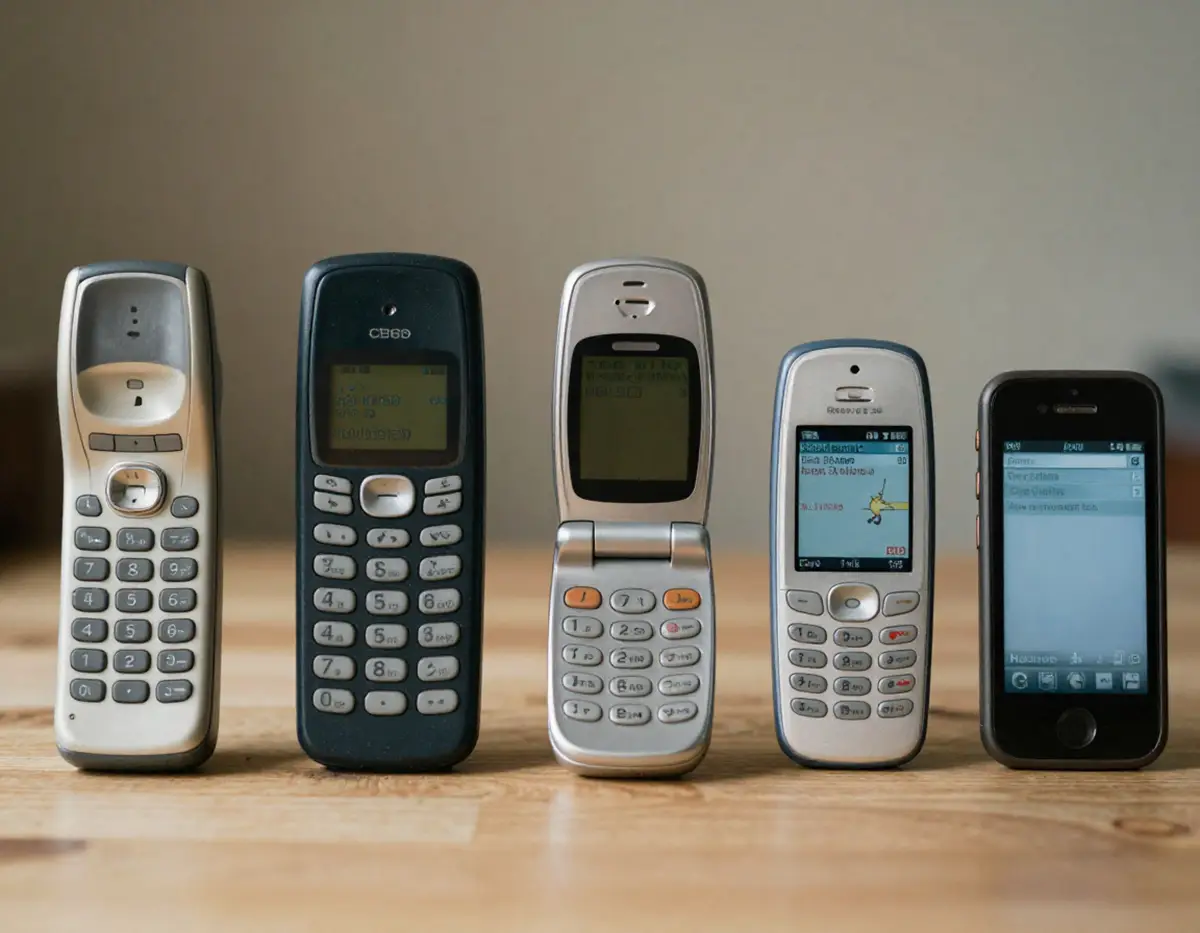
Cellphones have become one of the most personal and relied upon objects in modern life. Most people reach for their phones before they even get out of bed, using them to check the time, scan the news, reply to messages, and plan the day ahead. These devices are no longer just tools for communication. They function as memory keepers, workstations, entertainment hubs, navigation guides, and social connectors all rolled into one compact object that fits neatly into a pocket or bag. Yet despite how deeply embedded cellphones are in daily routines, many users rarely stop to consider how remarkable their evolution has been.
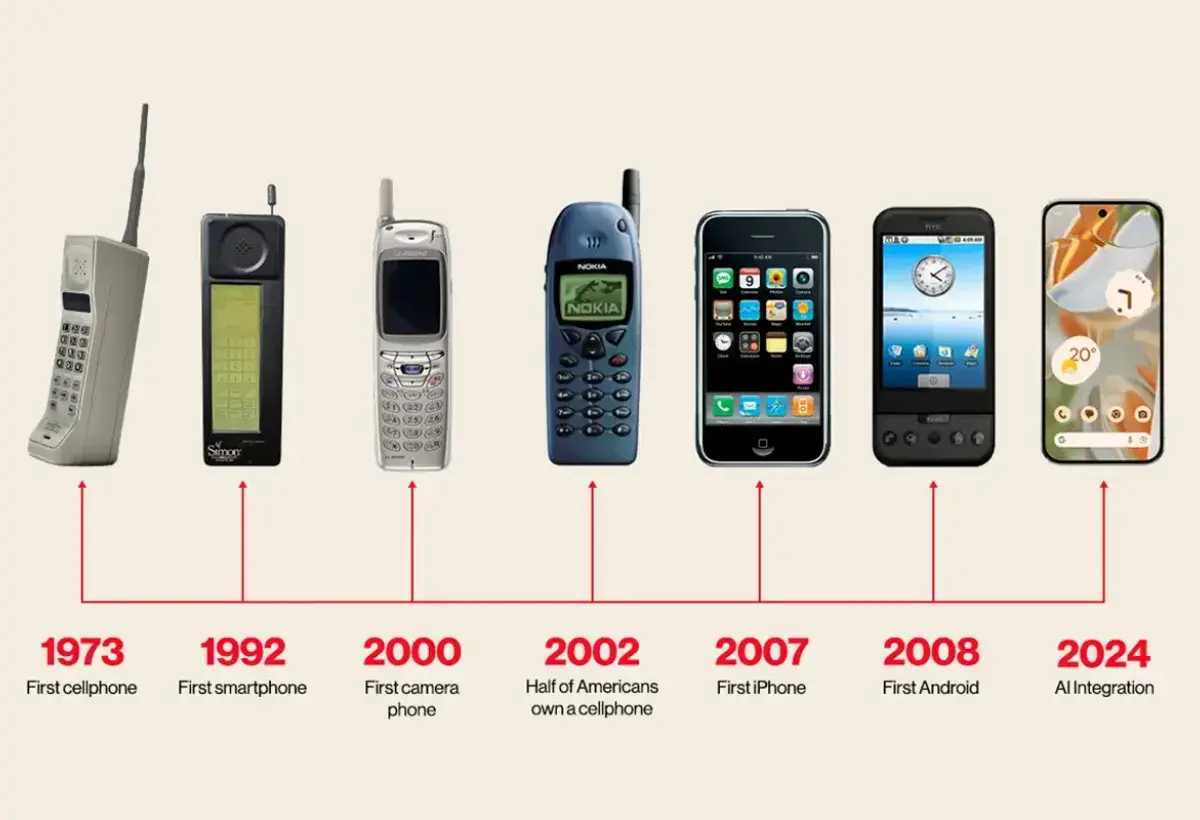
The story of the cellphone is not simply a tale of faster processors and sharper screens. It is a narrative shaped by human curiosity, competition, creativity, and unexpected decisions. Many features that now feel essential were originally afterthoughts, while some early limitations sparked innovations that transformed entire industries. From the first awkward handheld calls to sleek devices capable of capturing cinematic video, the cellphone reflects how quickly technology can reshape human behavior.
What makes cellphone history especially fascinating is how personal it feels. Unlike large machines or distant infrastructure, phones live close to us. They absorb fingerprints, carry private conversations, and store photos that capture important moments of our lives. Because of this intimacy, learning surprising facts about cellphones often feels like discovering hidden stories about something we thought we already knew.
Each fact builds on the original idea while adding depth, context, and real world perspective. Along the way, you may find yourself appreciating your device not just as a piece of technology, but as a product of decades of trial, error, and bold experimentation. By the end, your pocket companion may feel a little more impressive than it did before.
Image
1. The First Call Wasn’t Business
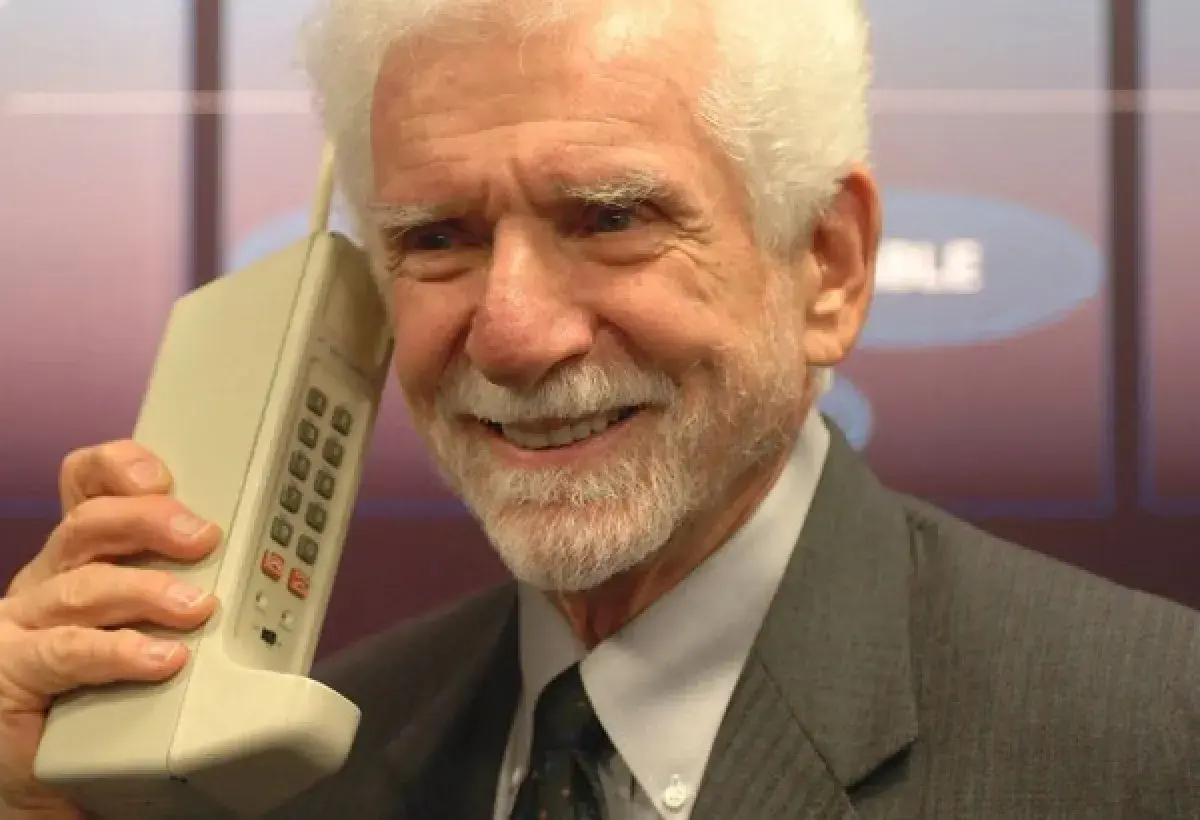
In 1973, Martin Cooper, a Motorola engineer, made the world’s first handheld mobile phone call. Who did he call? His rival at Bell Labs, simply to say that he was calling from a real mobile phone.
This moment was not part of a carefully scripted corporate presentation or a business negotiation. Instead, it was a bold and personal statement that proved a concept many believed was still years away. Cooper stood on a New York City street holding a bulky prototype that barely resembled the phones people use today. The call itself lasted only a short time, but its impact echoed across decades of technological progress.
At the time, most mobile communication depended on car mounted systems that were expensive and limited in reach. Bell Labs was heavily invested in these vehicle based solutions, while Motorola pursued the idea of a truly portable device. Cooper’s call was both a technical achievement and a psychological one. It demonstrated that personal communication did not need to be tied to a location or a vehicle.
The phone used in that first call weighed more than two pounds and required significant power to operate. It had no screen, no messaging capability, and no storage for contacts. Yet it accomplished something revolutionary. It showed that communication could be carried in the hand rather than installed in infrastructure.
This first call also highlights how innovation often involves rivalry. Competition between companies pushed engineers to take risks and accelerate development. Without that rivalry, the leap toward handheld mobile phones might have taken much longer.
Today, billions of calls are made daily across global networks with near instant clarity. That casual phone call on a city street helped set the foundation for a world where distance became far less relevant to human connection.
Image
2. Million Dollar Mobile
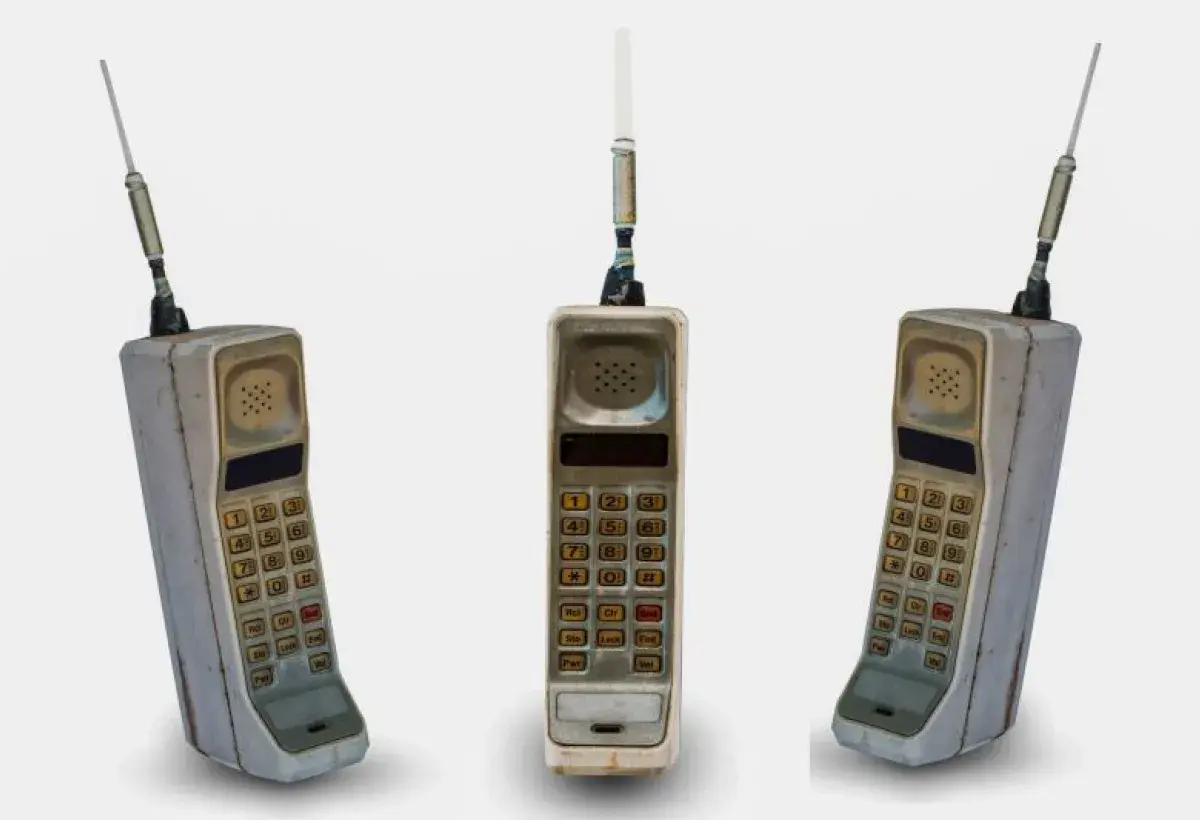
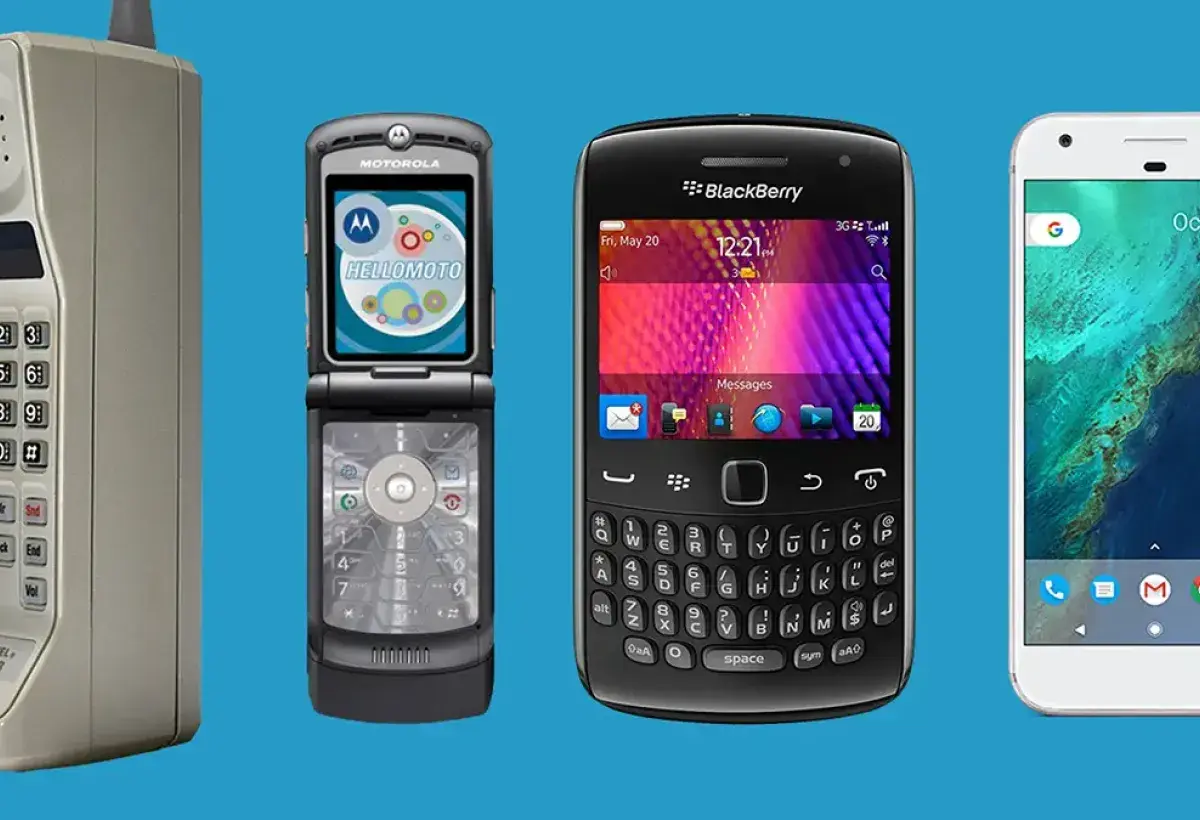
The first commercially available mobile phone, the Motorola DynaTAC 8000X, launched in 1983 and cost around three thousand nine hundred ninety five dollars, which would be over ten thousand dollars today.
At the time of its release, the DynaTAC was considered a symbol of status and success. Only executives, wealthy professionals, and large organizations could justify the cost. Owning one signaled influence and access rather than convenience. The price reflected not just the physical device, but the massive investment in research, infrastructure, and regulatory approval required to make mobile communication possible.
The phone itself was far from sleek. It stood tall with a long antenna and a keypad that felt more like office equipment than consumer electronics. Despite its limitations, demand was strong. People recognized that being reachable at any time could change how business was conducted and how decisions were made.
The high price also slowed widespread adoption, which gave engineers time to refine the technology. Battery life, network efficiency, and manufacturing techniques all improved gradually. As costs came down, mobile phones moved from luxury items to practical tools and eventually to everyday necessities.
Looking back, the idea of paying the equivalent of ten thousand dollars for a phone that could only make calls seems extreme. Yet that investment laid the groundwork for the affordable and powerful devices available today. Every smartphone benefits from the early willingness of consumers and companies to pay a premium for innovation.
Image
3. Heavier Than You’d Think
That same DynaTAC phone weighed about two and a half pounds and offered just thirty minutes of talk time before needing a ten hour recharge.
Carrying one of these early phones was a physical experience. Users often joked that it felt like holding a brick to the ear. The weight came from large batteries and electronic components that had not yet been miniaturized. Engineers prioritized functionality over comfort, knowing that portability alone was already a major breakthrough.
Battery technology was one of the biggest challenges. The limited talk time meant users had to plan calls carefully. Long conversations were impractical, and recharging required patience. Despite this, users adapted quickly, adjusting their habits to make the most of the device.
This limitation influenced how people communicated. Calls were brief and purposeful, focusing on essential information rather than casual conversation. In some ways, this constraint shaped early mobile etiquette, emphasizing efficiency and clarity.
The contrast with modern phones is striking. Today’s devices weigh only a fraction as much and can last an entire day or more on a single charge. Advances in battery chemistry and energy efficient processors have transformed expectations.
Remembering the physical heft of early phones offers perspective on how far technology has come. What once felt heavy and inconvenient opened the door to the lightweight and powerful devices people now take for granted.
Image
4. More Phones Than Toilets
Believe it or not, the world has more active cellphones than toilets. Estimates show over seven point three billion mobile subscriptions globally, exceeding the human population.
This fact highlights both technological reach and global inequality. In many regions, mobile networks expanded faster than basic infrastructure like plumbing. Setting up cellular towers often proved cheaper and faster than building sanitation systems, especially in remote or rapidly growing areas.
Cellphones became tools of access. They allowed people to connect to banking services, education, healthcare information, and emergency assistance even in places lacking traditional infrastructure. For many, a phone represented the first reliable link to the wider world.
Multiple subscriptions per person also contribute to the high numbers. Some users maintain separate phones for work and personal use, while others rely on backup devices or data only connections. Businesses and machines also use mobile connections, further increasing subscription counts.
While the statistic may sound humorous at first, it raises important questions about priorities and development. Technology can leap ahead in certain areas while basic needs lag behind.
Still, the widespread presence of cellphones demonstrates their role as essential tools. They have become gateways to services and opportunities that were once inaccessible to large portions of the global population.
Image

5. Texting Was an Afterthought
SMS was never meant to be a major feature. The first text message ever sent in 1992 simply said Merry Christmas.
Originally, texting was designed as a signaling tool for network engineers rather than a consumer feature. It allowed systems to send short alerts and updates. Few imagined it would become one of the most common forms of human communication.
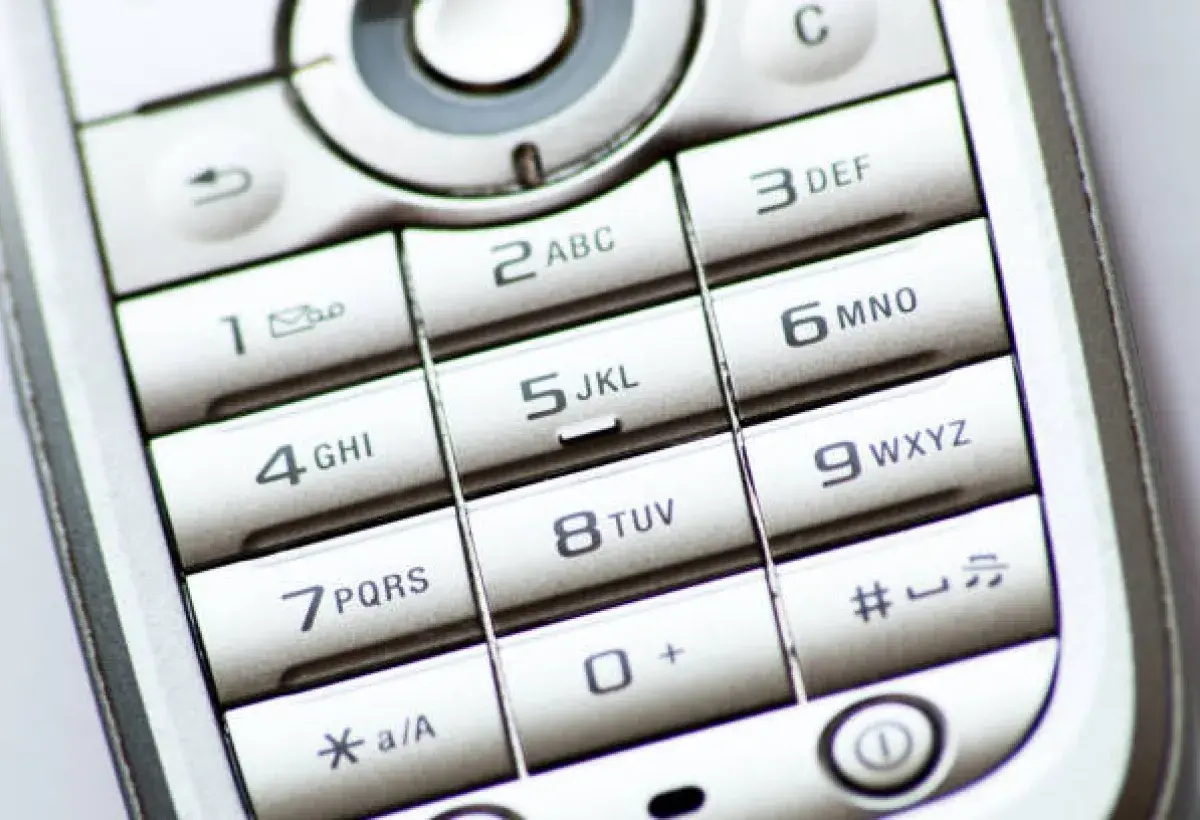
Early phones made texting cumbersome. Messages were typed using numeric keypads, requiring multiple presses for each letter. Despite this, users embraced the feature because it offered quiet, quick communication without the need for a call.
Texting soon developed its own culture. Abbreviations, emoticons, and later emojis emerged as ways to convey tone and emotion within limited character counts. What started as a technical convenience evolved into a language of its own.
Today, messaging apps handle billions of texts daily, supporting multimedia, voice notes, and group chats. Yet it all traces back to a simple holiday greeting sent as a test.
The rise of texting shows how users often define the value of technology more than its creators do. An overlooked feature can become a global habit almost overnight.
Image
6. The World’s Fastest Texter
The Guinness World Record for fastest texting belongs to Brazilian teenager Marcel Fernandes Filho, who typed a twenty five word message in just eighteen point nineteen seconds without autocorrect.
This achievement required intense practice and familiarity with the device. Speed texting is not just about fast fingers but also mental processing and accuracy. Every mistake costs time, making precision as important as speed.
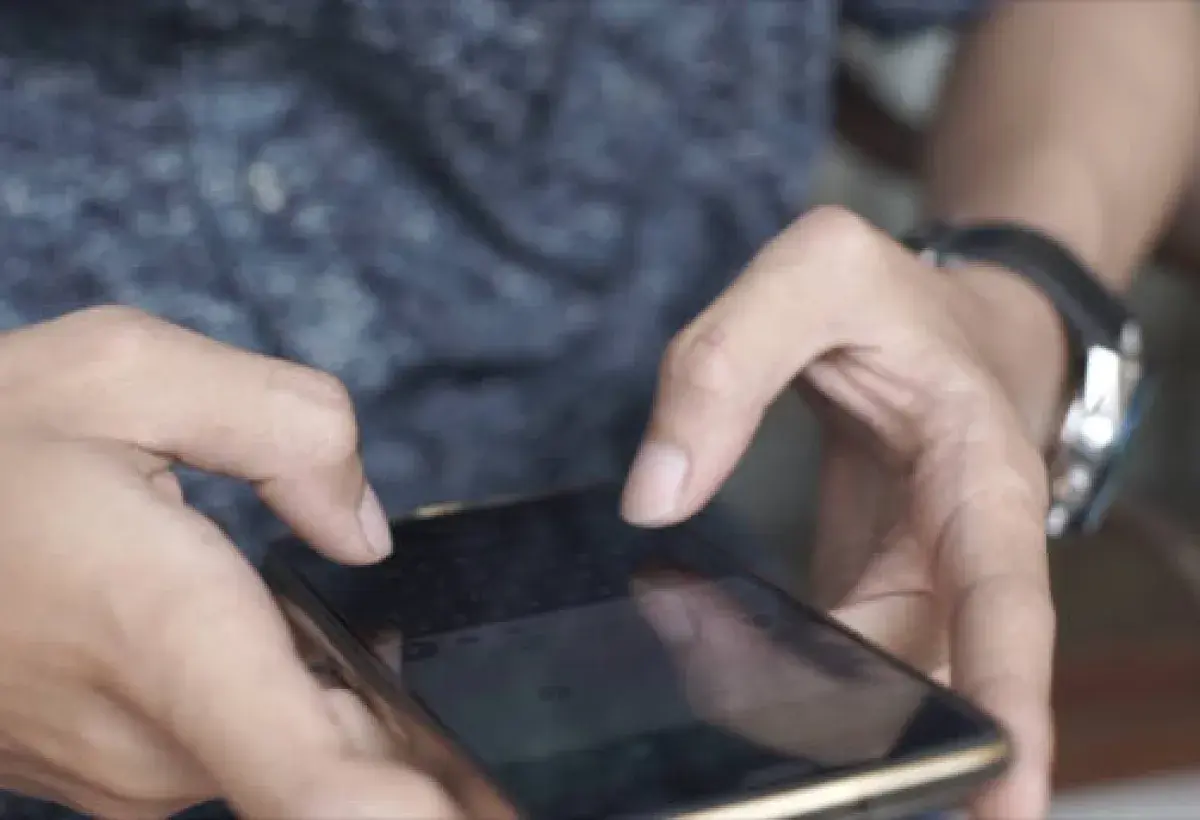
Competitive texting highlights how deeply people have integrated phones into daily life. Typing on small screens has become second nature for many, especially younger generations who grew up with mobile devices.
The record also reflects the evolution of input methods. Predictive text, swipe keyboards, and voice input have changed how people interact with phones. While these tools improve efficiency, records like this showcase raw skill without digital assistance.
Though most users will never aim for such speeds, the existence of these records speaks to the cultural impact of texting. What was once an afterthought is now a skill some people train to master.
Image
7. Your Phone Replaced a Lot
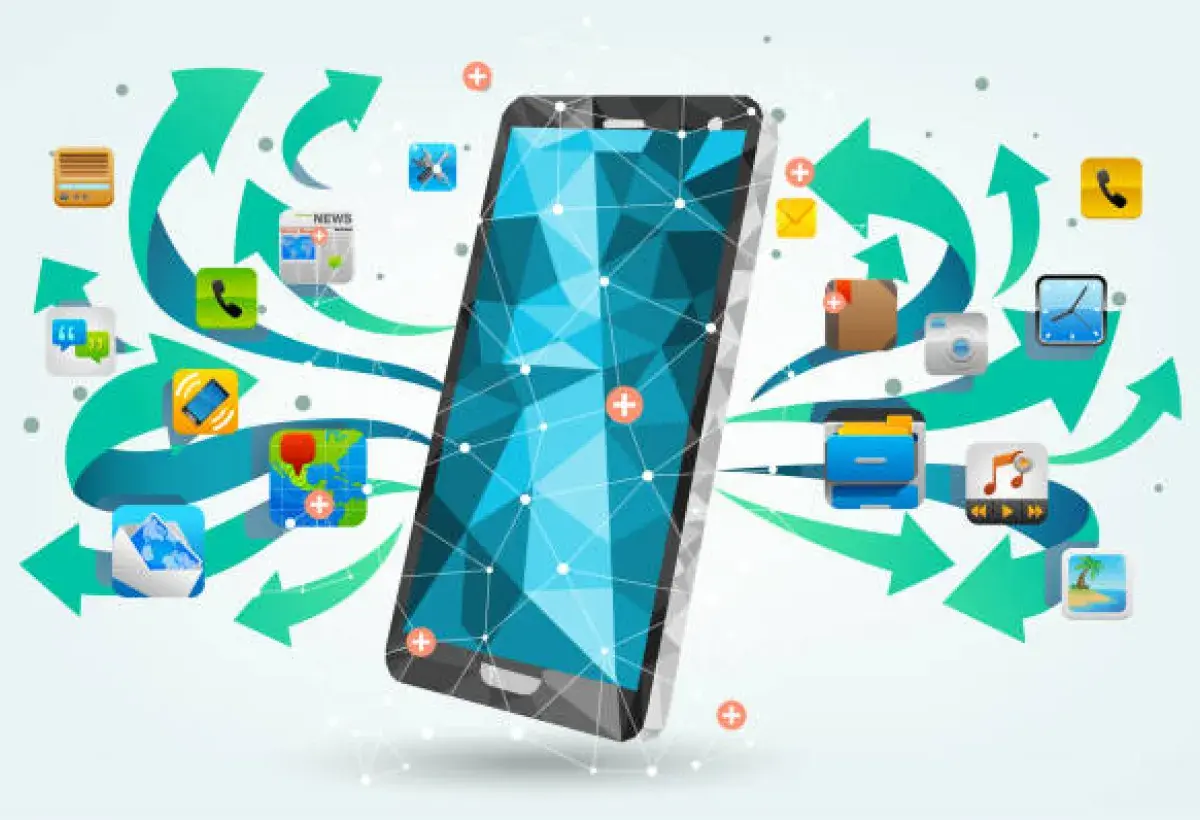
Modern smartphones have replaced watches, calculators, cameras, GPS units, and even flashlights, packing dozens of devices into your pocket.
This convergence changed consumer behavior dramatically. People no longer need to carry multiple gadgets for different tasks. A single device handles work, entertainment, and navigation seamlessly.
Entire industries felt the impact. Compact cameras, standalone GPS devices, and personal music players saw declining sales as smartphones absorbed their functions. Developers responded by creating apps that expanded phone capabilities even further.
For users, this meant convenience and efficiency. For manufacturers, it meant constant pressure to innovate. Each new phone generation aims to do more while remaining intuitive.
The smartphone’s ability to replace so many tools reflects its role as a platform rather than just a product. It adapts through software, allowing new features without changing hardware.
Image
8. Battery Symbol Secret
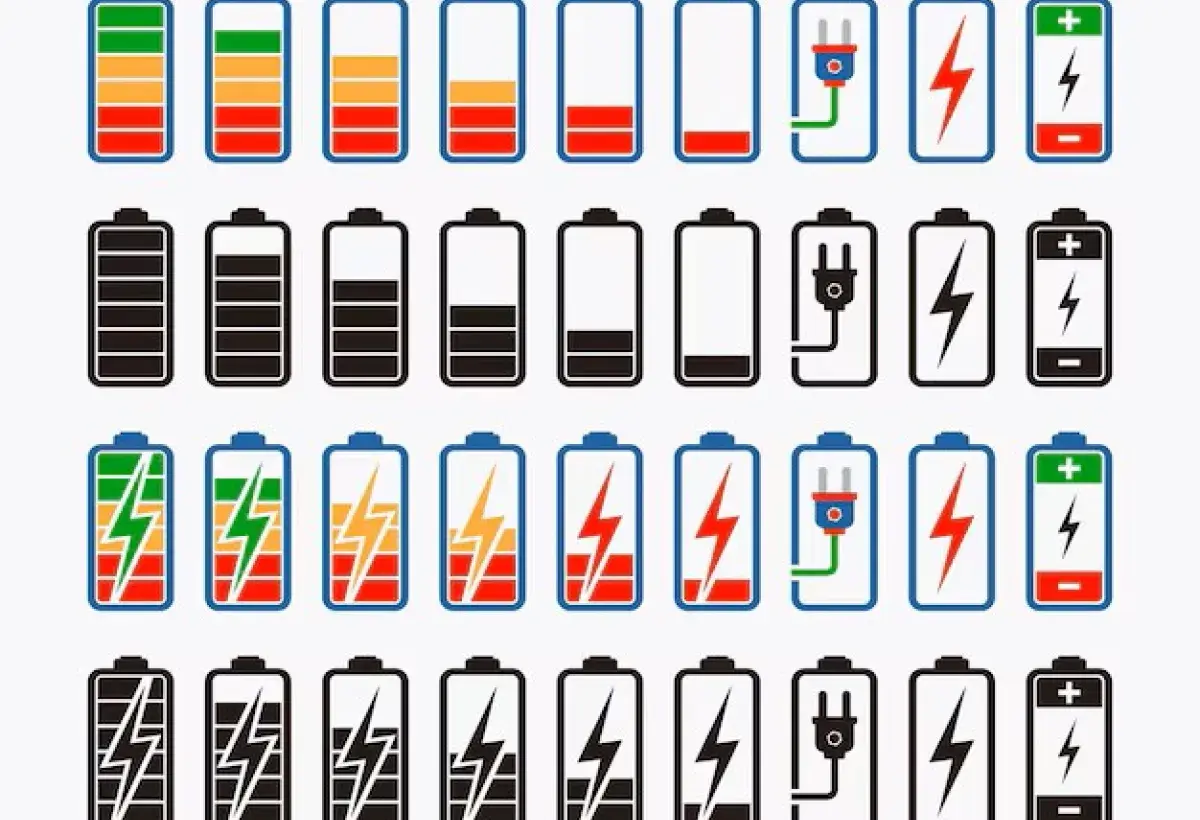
Many phone battery icons do not display actual battery percentage by default, partly because seeing numbers drop quickly can make users anxious.
Designers consider psychological responses when creating interfaces. A rapidly decreasing percentage can cause stress even when enough power remains. Icons provide a more gradual visual cue.
This approach reflects a broader trend in user experience design. Technology is shaped not only by performance but also by how it makes users feel.
Some users prefer precise data and enable percentages manually. Others find comfort in simpler indicators. Offering both options allows customization.
This small detail shows how deeply phones are integrated into emotional and mental routines, influencing mood as much as productivity.
Image
9. Phones in Space
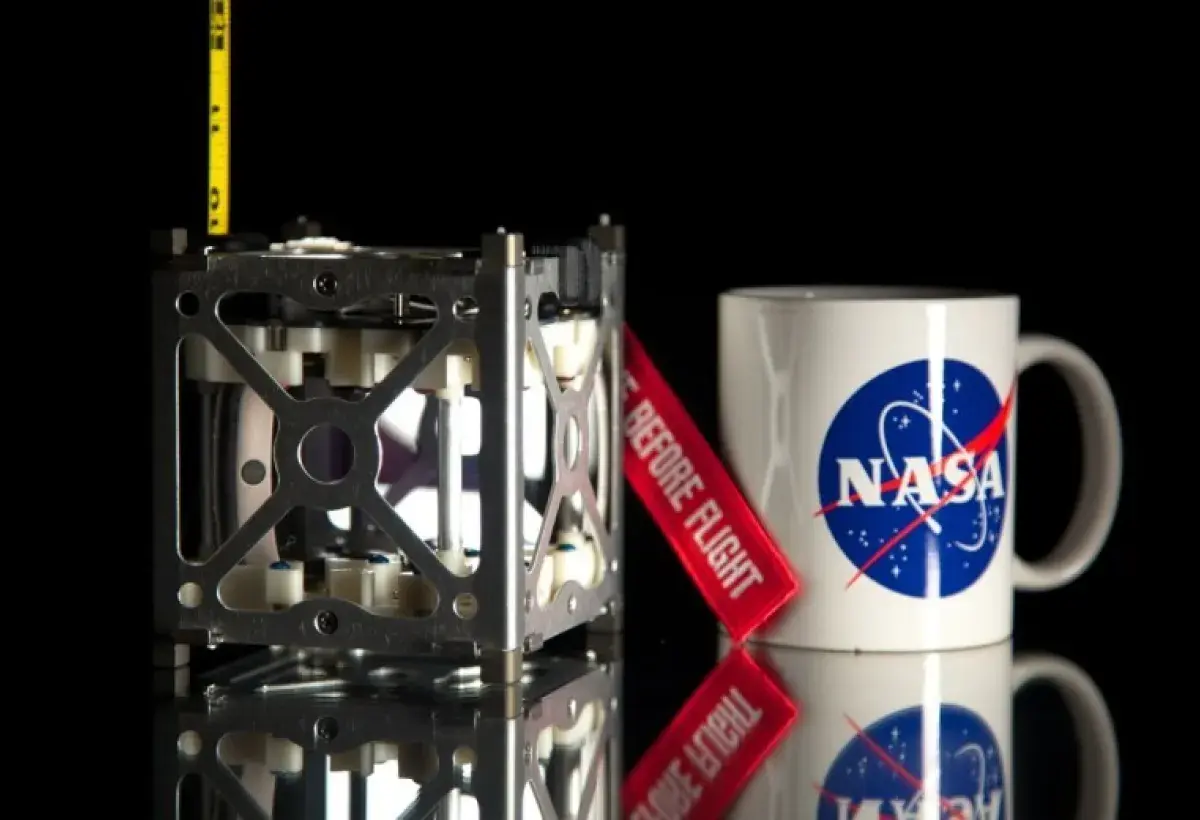
In 2013, NASA sent smartphones into orbit aboard small satellites called PhoneSats to test whether consumer technology could survive space conditions.
These experiments aimed to reduce costs and increase flexibility. Smartphones already contained cameras, sensors, and processors, making them ideal test platforms.
The success of PhoneSats showed that consumer electronics could support serious scientific missions. This opened new possibilities for rapid experimentation and innovation in space technology.
Using familiar hardware also shortened development cycles. Engineers could focus on software rather than building systems from scratch.
This experiment highlighted how far smartphones had come. Devices designed for daily life on Earth proved capable of operating beyond it.
Image
10. Most Popular Phone Ever
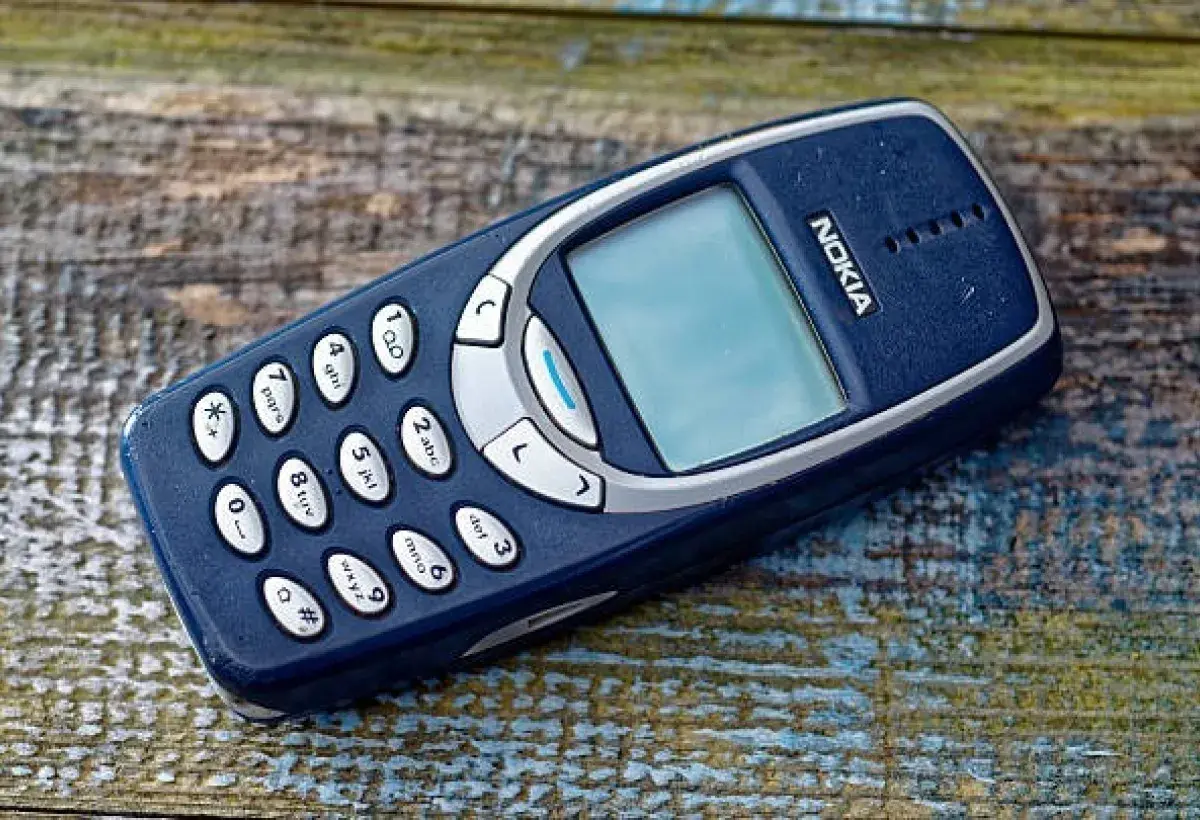
The best selling phone ever is not an iPhone or Samsung Galaxy. It is the Nokia eleven hundred, launched in 2003, with over two hundred fifty million units sold worldwide.
The phone’s success came from simplicity and durability. It offered long battery life, a sturdy build, and basic features that worked reliably.
In many regions, the Nokia eleven hundred became a first phone for millions. It handled calls and texts without distraction, making it accessible and affordable.
Its popularity reminds us that innovation is not always about adding features. Sometimes it is about perfecting the essentials.
Even today, the Nokia eleven hundred is remembered as a symbol of reliability, proving that impact is measured by reach as much as technology.
Image
Cellphones have traveled an extraordinary path from bulky prototypes to sleek, powerful companions that shape nearly every aspect of modern life. Each fact explored in this article reveals a different layer of that journey, from bold rivalries and costly experiments to overlooked features that transformed communication. What began as a simple idea to make calls without wires evolved into a platform that supports work, creativity, entertainment, and global connection.
Understanding these stories adds depth to an object often taken for granted. Every tap, swipe, and notification is built on decades of innovation and human decision making. The cellphone reflects how technology adapts to human needs while also reshaping habits and expectations.
As phones continue to evolve, future generations may look back on today’s devices with the same mix of nostalgia and amazement. For now, these fun facts offer a reminder that the small device in your pocket carries a history as rich and surprising as the lives it connects.