


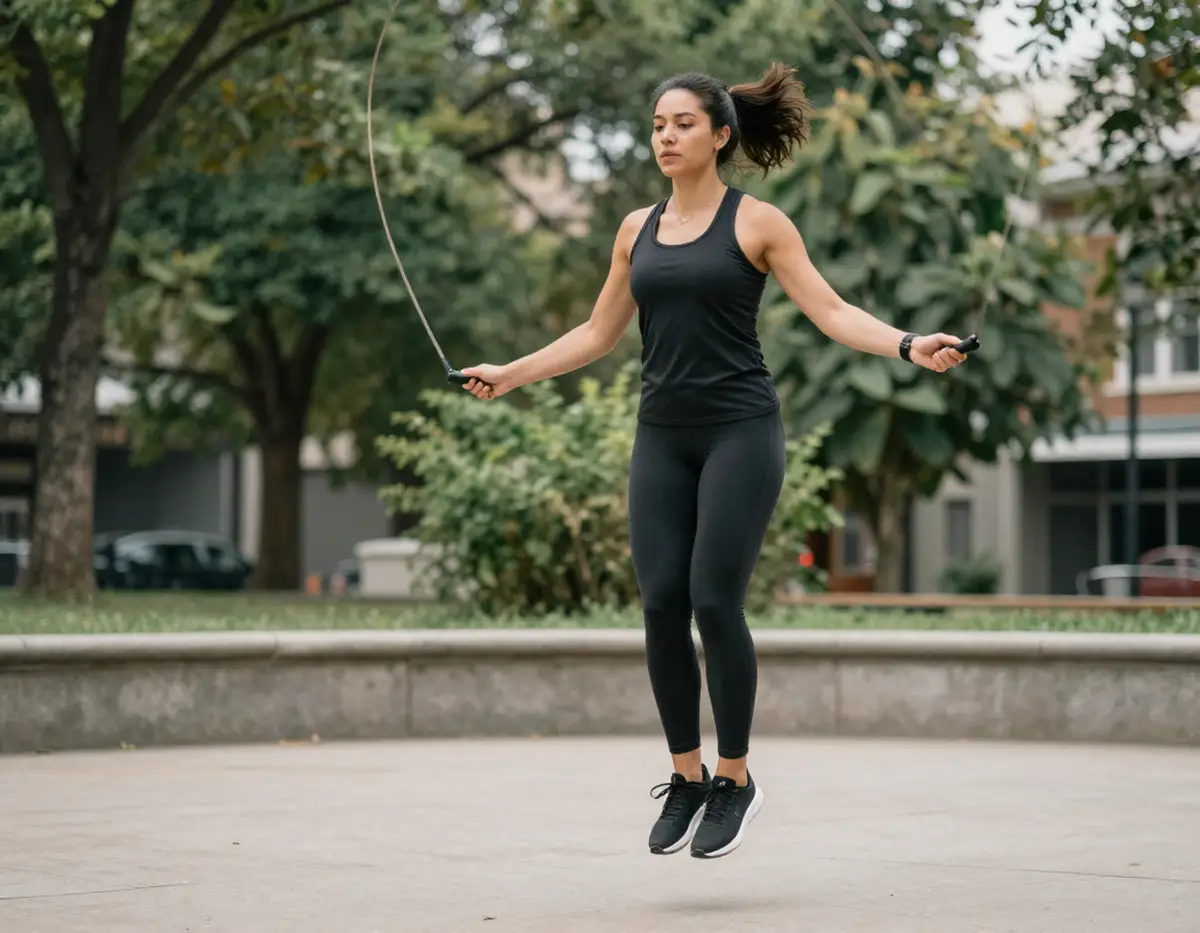
Jump rope is often remembered as something simple from childhood. Many people picture schoolyards, laughter, and rhythmic hopping without giving it much thought beyond nostalgia. Yet this ordinary rope has a surprisingly deep story and a powerful role in fitness, culture, and competitive sport. Across centuries and continents, jumping over a swinging rope has evolved from a playful pastime into a serious athletic discipline embraced by professionals, performers, and health experts alike.
What makes jump rope so remarkable is how it blends simplicity with complexity. Anyone can pick up a rope and begin skipping within minutes, but mastering it takes time, discipline, and coordination. It challenges both the body and the mind, demanding focus, timing, and rhythm. From boxers sharpening their footwork to international athletes competing on global stages, jump rope continues to prove its relevance in modern life.
Beyond fitness, jump rope carries cultural meaning. It has been shaped by music, community, and shared memory. Playground chants, street performances, and competitive routines all show how a basic tool can reflect creativity and identity. It is also one of the most accessible forms of exercise available. A rope costs very little, fits easily into a bag, and requires minimal space, making it ideal for people with busy schedules or limited access to gyms.
Lets explore the many sides of jump rope that go far beyond casual play. From ancient history to record breaking feats, each section uncovers why this humble object has endured for generations. Whether you are curious about fitness, culture, or sport, jump rope offers more than meets the eye.
1. Ancient Origins
Jump rope did not begin as a modern game. Long before playgrounds and gyms existed, humans were already experimenting with jumping movements using natural materials. Historians suggest that ancient civilizations may have used vines, woven fibers, or animal sinew to create early versions of ropes. These were not toys in the modern sense but tools for physical training, ritual movement, or communal games.
In ancient Egypt, artwork and carvings depict people engaged in jumping and rhythmic movement. While these images do not show jump ropes exactly as we know them today, they strongly suggest activities that involved coordinated jumping and timing. Similar practices appeared in parts of Asia and Europe, where ropes or cords were used in traditional games and seasonal celebrations.
Jumping activities were often linked to endurance, agility, and preparation for physical labor. In societies where survival depended on strength and stamina, movements like jumping helped build resilience. Over time, these movements became more playful and symbolic, passed from adults to children as games rather than training exercises.
As trade routes expanded and cultures interacted, jumping games spread and adapted. Each region added its own style, rhythm, and meaning. What began as a functional activity slowly transformed into a shared human tradition. This long history explains why jump rope feels familiar across cultures even today. It is a movement deeply rooted in the human experience.
Image

2. Boxers Love It
Jump rope has earned a permanent place in boxing gyms around the world. For fighters, it is not just warm up activity but a foundational training tool. The reason is simple. Jump rope develops many of the exact skills that boxers rely on inside the ring.
Footwork is one of the most critical aspects of boxing. A boxer must stay light, balanced, and ready to move in any direction. Jump rope trains the feet to react quickly while maintaining rhythm. Every jump reinforces coordination between the lower body and the mind, creating smoother and more efficient movement.
Timing is another major benefit. Boxing requires precise moments of attack and defense. Jumping rope forces the athlete to stay in sync with the rope’s rotation, sharpening their sense of timing with every repetition. Stamina also improves significantly. Continuous jumping elevates the heart rate and builds cardiovascular endurance, allowing fighters to last longer during intense rounds.
Beyond physical benefits, jump rope helps develop mental focus. A missed step can interrupt the rhythm instantly, teaching athletes to stay present and alert. This combination of physical conditioning and mental discipline explains why legendary boxers have relied on jump rope for decades. Even as training methods evolve, this simple tool remains essential.
Image

3. A Full Body Workout
Jump rope is one of the most efficient full body exercises available. While it may look like it mainly targets the legs, the movement actually engages nearly every major muscle group. Each jump activates the calves and thighs, while the core works continuously to maintain balance and posture. The shoulders and arms rotate the rope, and even the wrists play an important role in controlling speed and direction.
What sets jump rope apart is how quickly it delivers results. A short session can raise the heart rate rapidly, making it an effective cardiovascular workout. Studies and fitness experts often compare ten minutes of jumping rope to longer sessions of other cardio activities in terms of calorie burn. This efficiency makes it especially appealing for people with limited time.
Coordination is another key benefit. Jump rope requires the upper and lower body to work together in harmony. Over time, this improves overall movement quality and body awareness. It also strengthens connective tissues and supports bone health through repeated impact, which can be beneficial when done with proper form.
Because it uses body weight rather than heavy equipment, jump rope is adaptable to different fitness levels. Beginners can start slowly, while advanced athletes can increase speed or complexity. This flexibility makes it a powerful workout that grows with the individual.
Image
4. Songs and Rhymes
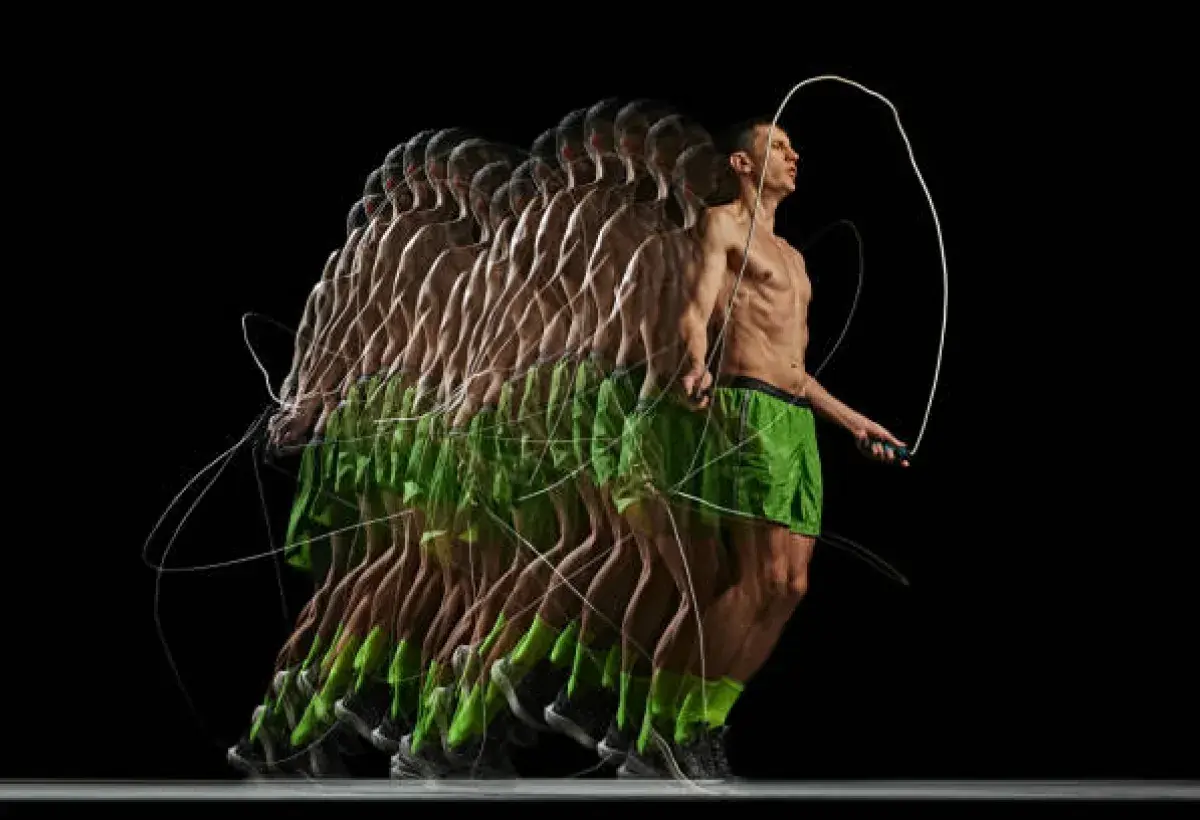
One of the most charming aspects of jump rope culture is its connection to music and rhythm. In playgrounds around the world, children have paired jumping with chants, songs, and rhymes. These verbal patterns help establish timing, turning each jump into part of a flowing sequence.
Many of these rhymes have been passed down orally through generations. While the words may change slightly from place to place, the structure remains familiar. The rhythm guides the jumper, helping them anticipate each swing of the rope. This combination of movement and sound turns exercise into a shared social experience.
These chants also encourage creativity and memory. Jumpers often memorize long verses, adding an element of mental engagement. Group jumping games build cooperation and communication, as participants must stay in sync with one another.
Even today, rhythm remains central to modern jump rope routines. Competitive athletes often perform to music, blending traditional movement with contemporary styles. This musical foundation shows that jump rope has always been about more than physical activity. It is also about expression, connection, and joy.
Image

5. Competitive Sport
Jump rope has grown far beyond casual recreation into a recognized competitive sport. International organizations host events where athletes from around the world showcase their skills. These competitions highlight just how demanding and technical jump rope can be.
Events are divided into several categories, including speed, freestyle, and team routines. Speed events focus on how many jumps an athlete can complete within a set time. Freestyle routines combine tricks, footwork, and choreography, often set to music. Team events such as synchronized jumping and double dutch emphasize coordination and teamwork.
What makes competitive jump rope especially impressive is the blend of athleticism and artistry. Athletes perform complex movements that require strength, flexibility, and precise timing. Many routines resemble dance or acrobatics, pushing the limits of what people expect from a rope and a pair of shoes.
Training for competition demands discipline. Athletes practice for hours to refine technique and endurance. As a result, competitive jump rope has gained respect as a serious sport, proving that simplicity does not limit excellence.
Image
6. Double Dutch Origins
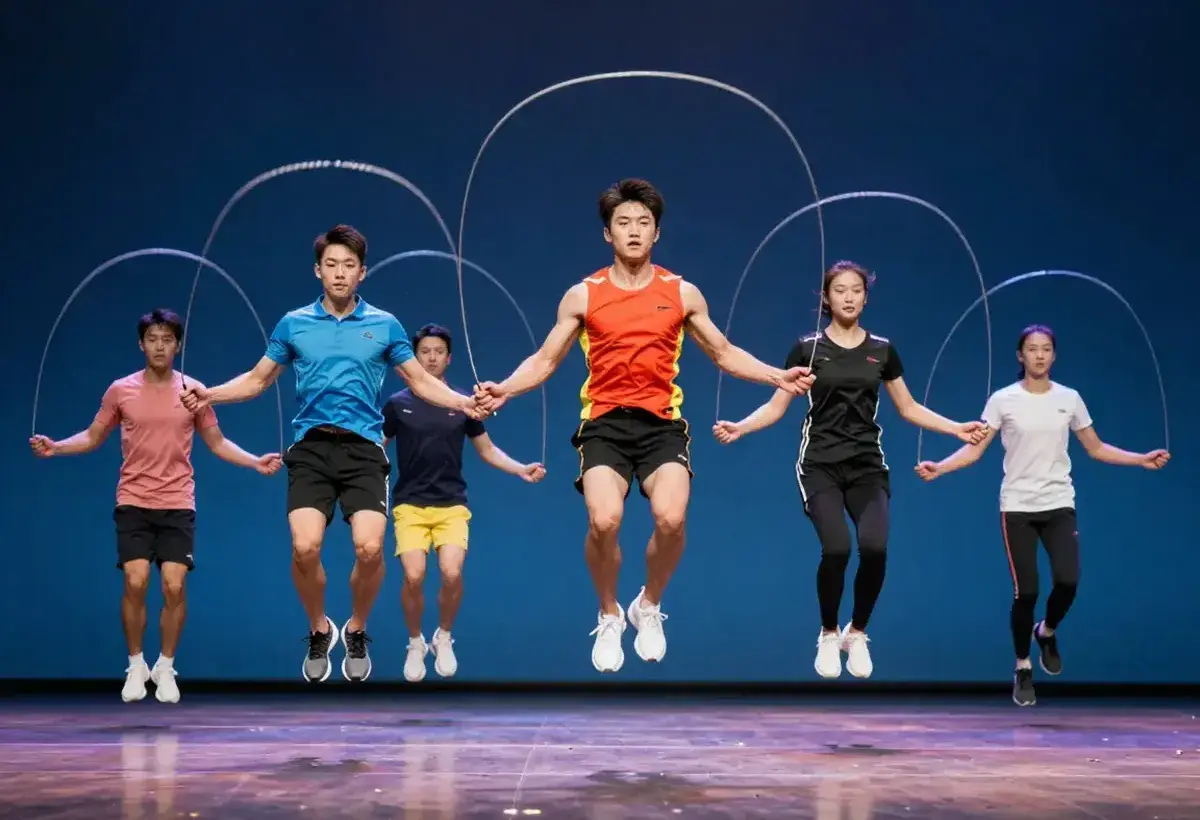
Double dutch is one of the most dynamic forms of jump rope. It involves two ropes turning in opposite directions while one or more jumpers perform inside the space between them. This style requires exceptional timing, awareness, and confidence.
The roots of double dutch are closely tied to urban street culture, particularly in New York City. In many neighborhoods, it became a popular activity among young people, especially girls, who turned sidewalks into performance spaces. Over time, double dutch developed its own identity, blending athletic skill with creativity and style.
Music and movement played a major role in its evolution. Jumpers added dance steps, claps, and vocal rhythms, transforming the activity into a form of expression. As hip hop culture grew, double dutch naturally aligned with its emphasis on rhythm and individuality.
Today, double dutch is featured in competitions, performances, and cultural events around the world. It stands as a powerful example of how community driven activities can grow into globally recognized disciplines.
Image
7. Brain Booster
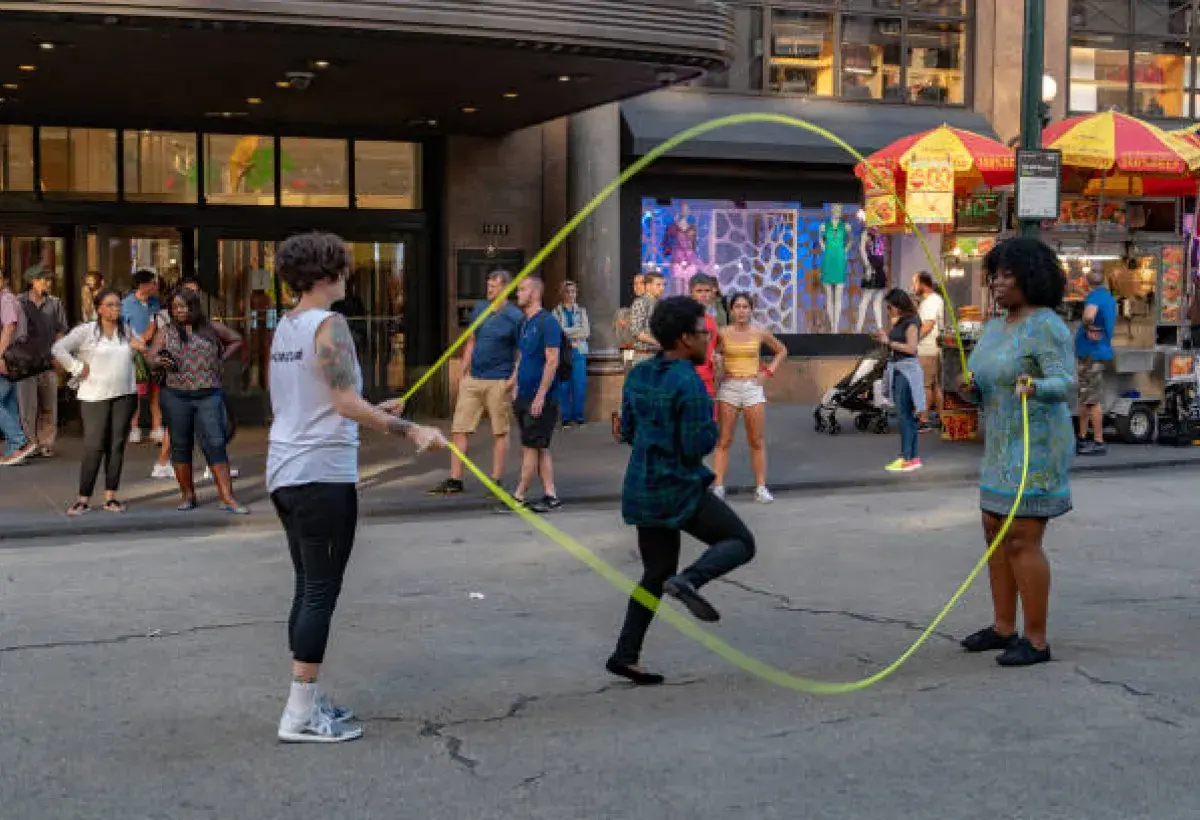
Jump rope challenges the brain as much as the body. Every jump requires the mind to predict timing, adjust movement, and stay focused. This constant coordination strengthens neural connections related to balance and motor control.
Because jump rope involves crossing midline movements and rhythm, it supports cognitive functions such as memory and attention. The brain must process visual cues from the rope while coordinating foot placement and arm rotation. This multitasking keeps the mind engaged and alert.
Many people find that regular jump rope sessions improve mental clarity and reaction time. It can also reduce stress, as rhythmic movement encourages a focused and meditative state. This makes jump rope a valuable activity not just for physical health but for mental wellbeing.
For adults, especially those with sedentary routines, jump rope offers a simple way to re engage both mind and body. The result is a workout that feels energizing rather than draining.
Image

8. World Record Feats
The world of jump rope includes some truly astonishing records. Athletes have pushed the limits of endurance and speed, achieving numbers that seem almost unreal. Some records involve completing tens of thousands of jumps in a single day, while others focus on explosive speed within seconds.
Speed records often measure how many jumps can be completed in a short time frame. Achieving these feats requires flawless technique and intense training. Even a slight misstep can end an attempt instantly.
Endurance records test physical and mental resilience. Jumping for hours demands not only strength but also pain management and focus. These achievements highlight how demanding jump rope can be at the highest level.
World records capture attention because they challenge common assumptions. They show that an activity many consider simple can reach extraordinary levels of performance.
Image
9. Easy to Learn Hard to Master
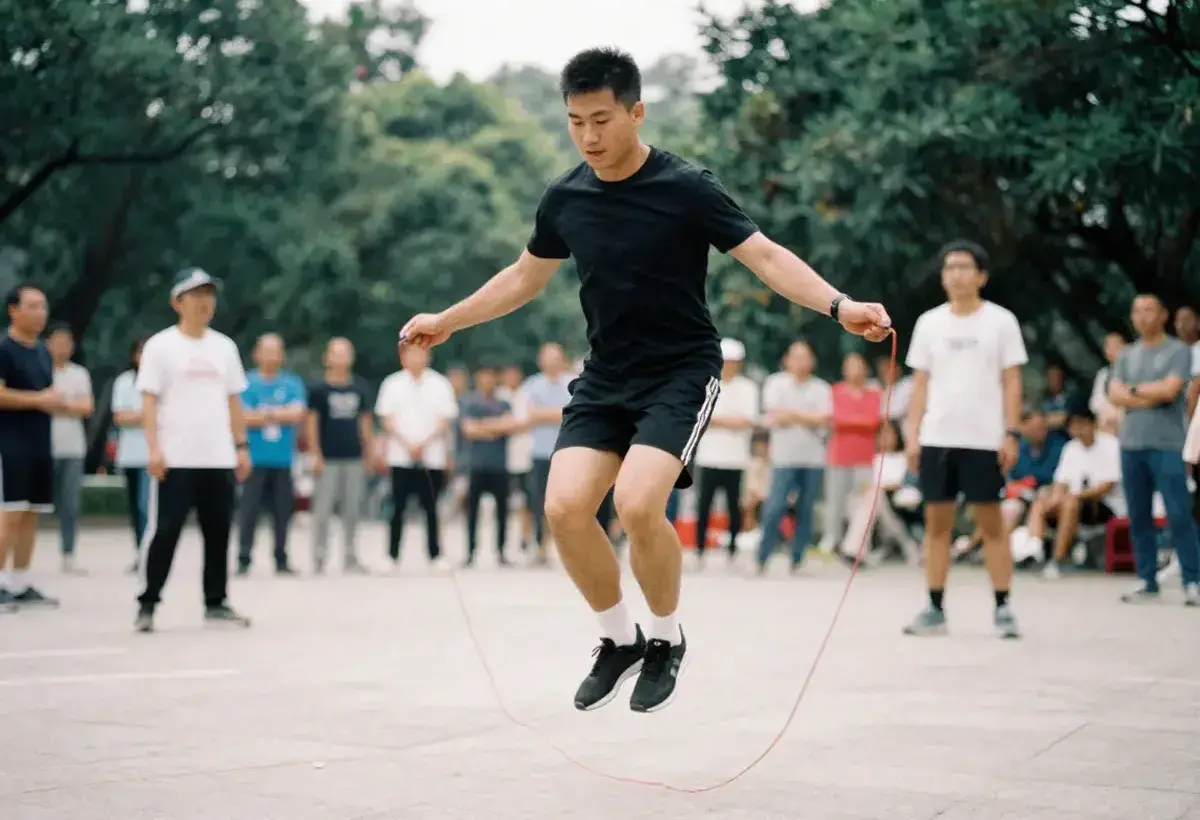
One of the greatest strengths of jump rope is its accessibility. Most people can learn the basic movement within minutes. A simple two foot jump and steady arm rotation are enough to get started.
However, mastery is another story entirely. As skill increases, so do the challenges. Techniques such as criss cross jumps, double unders, backward rotations, and freestyle combinations require practice and patience. Each new skill builds on the last, creating endless progression.
This balance between simplicity and complexity keeps people engaged. Beginners enjoy quick success, while advanced jumpers find constant motivation to improve. Few activities offer such a clear path from entry level to expert.
This quality is why jump rope remains popular across ages and fitness levels. It meets people where they are and grows with them over time.
Image

10. Endlessly Portable
Perhaps the most practical advantage of jump rope is its portability. Unlike bulky fitness equipment, a rope can be folded and carried almost anywhere. This makes it ideal for travel, outdoor workouts, or quick sessions at home.
Because it requires minimal space, jump rope fits easily into modern lifestyles. A small open area is enough to get moving. There is no need for electricity, screens, or complex setup.
This simplicity encourages consistency. When exercise is easy to access, people are more likely to stick with it. Jump rope removes many of the common barriers to staying active.
In a world filled with technology and distractions, the rope remains refreshingly basic. It proves that effective fitness does not need to be complicated.
Image

Jump rope stands as a powerful reminder that simple tools can have lasting impact. From ancient traditions to modern competitions, it has adapted without losing its core essence. It strengthens the body, sharpens the mind, and connects people through rhythm and movement.
Its global presence shows that fitness does not need luxury or complexity. A rope and a bit of space are enough to build endurance, coordination, and confidence. Whether used by elite athletes or everyday individuals, jump rope continues to deliver value across generations.
In an age where trends come and go quickly, jump rope remains timeless. Its ability to evolve while staying accessible ensures it will continue to inspire movement and creativity for years to come.