



When you pull on a pair of Levi’s blue jeans, you are not just choosing a piece of clothing. You are stepping into a story that stretches across generations, continents, and cultural movements. Levi’s has become one of the most recognizable names in fashion, yet its influence goes far beyond style trends. These jeans have been worn by miners, movie stars, activists, musicians, and everyday people who simply wanted something dependable and timeless. Few brands can claim a history that feels both deeply practical and emotionally symbolic at the same time.
What makes Levi’s so fascinating is how something created for hard labor evolved into a global icon without losing its original identity. The strength, simplicity, and authenticity of Levi’s jeans allowed them to adapt naturally to changing times. As society shifted, the jeans followed along, appearing in moments of rebellion, creativity, and self expression. From dusty gold fields to bright city streets, Levi’s became a quiet witness to history in motion.
There is also a sense of personal storytelling stitched into every pair. The way denim fades, creases, and softens over time creates a unique record of the wearer’s life. Levi’s jeans do not just age, they evolve. This quality has helped them remain relevant in a world where fashion often feels disposable and fast paced. People keep their Levi’s longer, repair them, pass them down, and even collect them.
Many wearers know Levi’s as a reliable brand, but fewer know the small details and surprising moments that shaped its journey. Behind the rivets and indigo fabric are stories of innovation, cultural shifts, and unexpected choices that changed clothing forever. These fun facts reveal how Levi’s became more than denim and why it continues to hold a special place in closets around the world.
Image

1. Born in the Gold Rush
Levi’s blue jeans were born out of necessity during one of the most intense and transformative periods in American history. In the early 1870s, the California Gold Rush had drawn thousands of miners westward, all searching for opportunity. These miners faced brutal working conditions that quickly destroyed ordinary clothing. Pants tore easily, pockets ripped under the weight of tools, and fabric wore thin after weeks of labor. What they needed was clothing that could survive the grind of daily work without constant replacement.
Levi Strauss was a dry goods merchant supplying fabric to workers when he noticed this recurring problem. Alongside tailor Jacob Davis, he helped create trousers made from sturdy denim reinforced with metal rivets. These rivets were placed at stress points where pants typically failed. The result was a pair of pants that could endure heavy use without falling apart. In 1873, this simple but powerful idea changed workwear forever.
What began as functional clothing for miners quickly gained popularity among other laborers such as railroad workers and farmers. The durability of the jeans made them ideal for anyone whose job demanded physical strength and long hours. Word spread quickly, not through advertising but through experience. Workers trusted what worked, and Levi’s jeans earned their reputation the hard way through survival in the field.
The Gold Rush origins of Levi’s still shape the brand today. Even modern designs draw inspiration from those early work pants, emphasizing strength and authenticity. The story reminds us that Levi’s was never created to be fashionable. It became fashionable because it was honest, useful, and reliable. That origin story continues to resonate with people who value clothing that feels real and grounded in purpose.
Image

2. The Famous Rivets Have a Patent
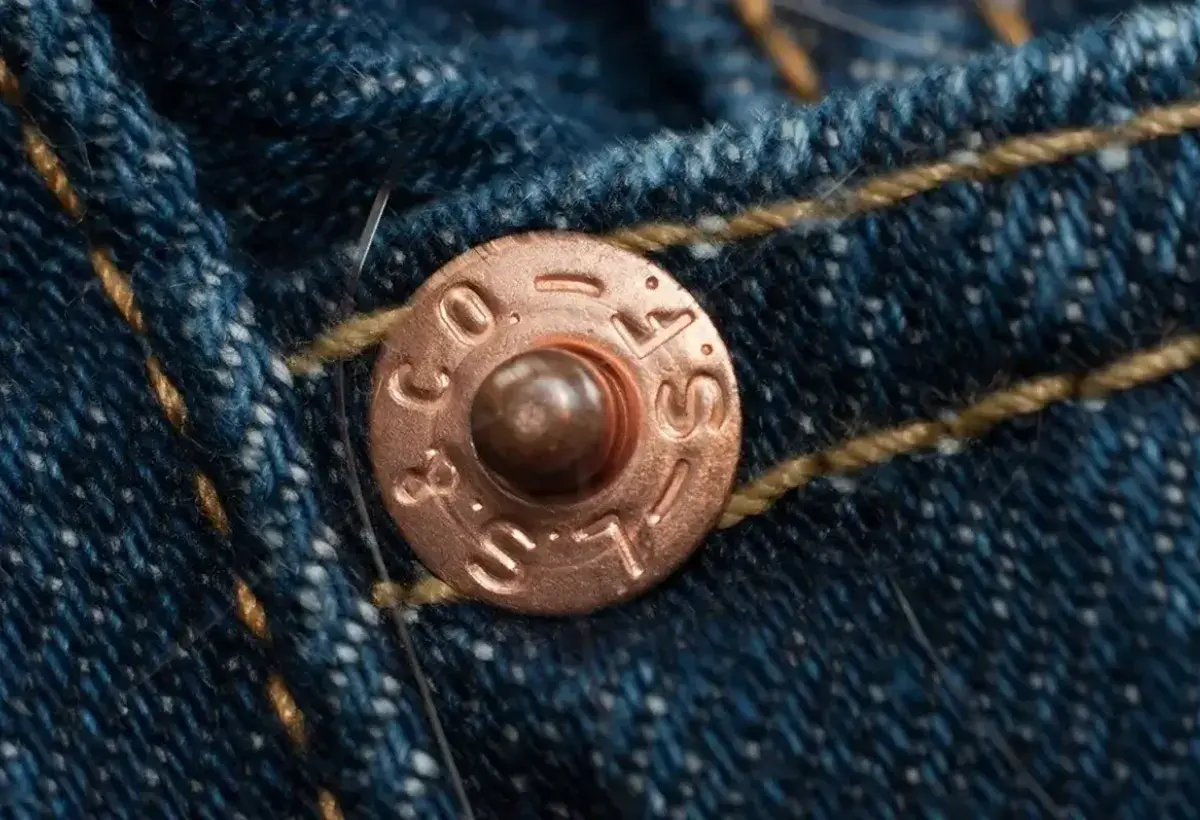
One of the most recognizable features of Levi’s jeans is also one of the most revolutionary. The small copper rivets placed at pocket corners and seams may seem insignificant, but they represent a turning point in clothing design. Before rivets, pants frequently failed at points of tension, especially when carrying tools or heavy items. Pockets were often the first to tear, rendering otherwise usable clothing useless.
Jacob Davis came up with the idea to reinforce these weak spots using metal rivets. Knowing the idea was valuable, he partnered with Levi Strauss to patent the design in 1873. This patent gave them exclusive rights to produce riveted work pants, setting Levi’s apart from every other clothing maker at the time. For years, no competitor could legally replicate this construction method.
The impact of this patent extended far beyond denim. Rivets introduced the idea that garments could be engineered for performance, not just sewn together. Clothing could be designed with stress, movement, and durability in mind. This mindset later influenced uniforms, workwear, and even modern performance apparel. Levi’s unintentionally helped define a new approach to fashion through function.
Interestingly, some rivets were later removed from certain areas such as back pockets after customers complained they scratched furniture. This small adjustment showed that Levi’s paid attention to how people actually lived with their jeans. The rivets remained iconic, not because they were flashy, but because they solved real problems. Even today, those tiny pieces of metal are a reminder that smart design can leave a lasting legacy.
Image
3. Washing? Not Always Recommended!
One of the most surprising facts about Levi’s jeans is the brand’s unconventional stance on washing. While most people are taught to wash clothes frequently, Levi’s has long suggested a more restrained approach. Excessive washing can weaken denim fibers, fade color prematurely, and alter the fit. Denim is meant to adapt to the wearer, and constant washing interrupts that natural process.
Levi’s has even gone on record recommending spot cleaning and airing out jeans instead of frequent machine washing. Some denim enthusiasts take this advice to an extreme by rarely washing their jeans at all. Others use creative methods such as freezing jeans overnight to reduce odor causing bacteria. While that practice is debated, it highlights how deeply people care about preserving their denim.
The reason this advice works lies in the nature of denim fabric. Indigo dye sits on the surface of the cotton fibers rather than fully soaking in. Each wash removes a bit of that dye, creating fading patterns. By washing less, wearers allow fades to develop gradually through movement and friction. This results in a look that feels personal rather than manufactured.
This philosophy also aligns with sustainability. Washing clothes less saves water, energy, and reduces environmental impact. Levi’s has promoted this idea as part of a broader effort to encourage mindful clothing care. By treating jeans as long term companions instead of disposable items, people build a stronger connection with what they wear. Levi’s jeans are designed to live with you, not just pass through your closet.
Image

4. Hollywood Loved Them First
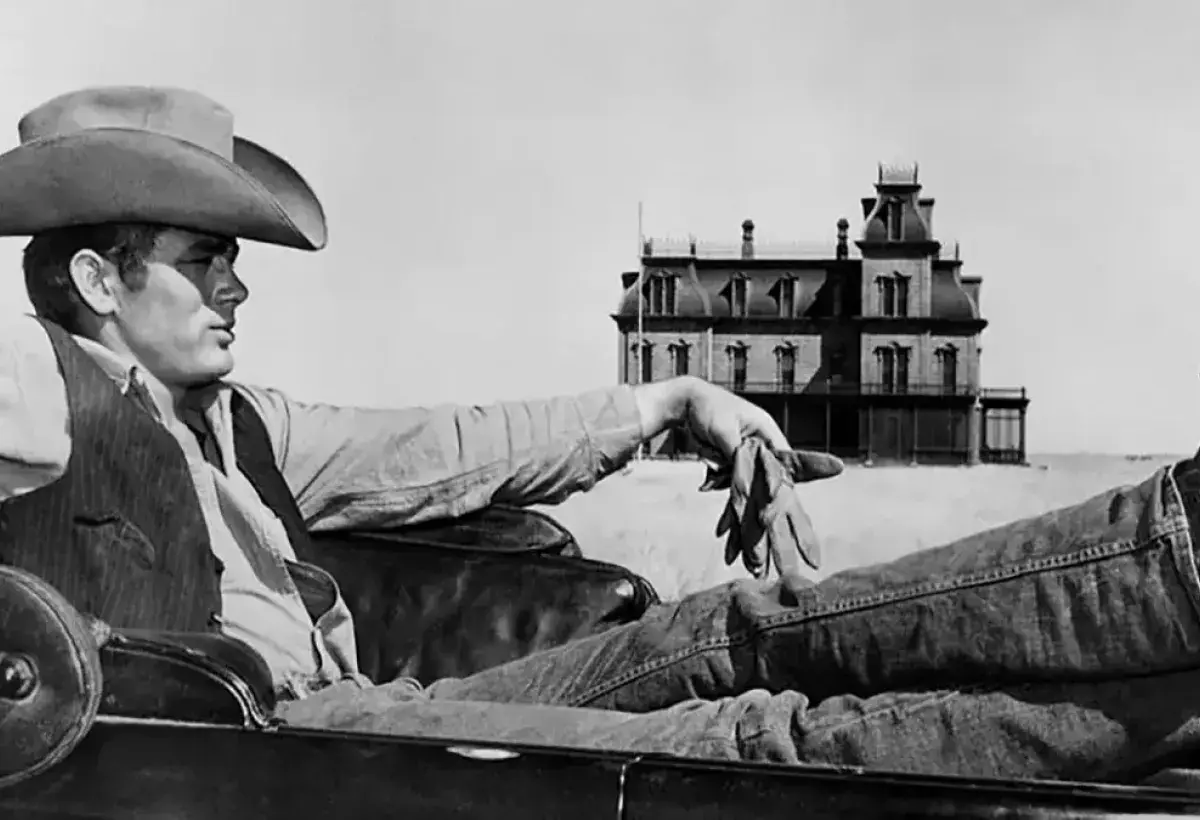
Levi’s jeans made their leap from workwear to cultural icon largely because of Hollywood. In the early days, jeans were still associated with labor and practicality, not glamour. That perception changed dramatically in the mid twentieth century when movie stars began wearing Levi’s on screen. Actors like James Dean and Marlon Brando appeared in fitted denim that contrasted sharply with the polished suits audiences were used to seeing. This new look felt raw, confident, and unapologetically real.
James Dean’s appearance in denim helped redefine masculinity and youth culture. His relaxed posture and rebellious attitude made jeans a symbol of independence rather than obedience. Marlon Brando reinforced this image with performances that felt intense and unfiltered. When audiences saw these stars in Levi’s, denim stopped being just clothing and started becoming an attitude. Jeans became a way to express individuality without saying a word.
Female icons also played a major role in popularizing Levi’s. Marilyn Monroe wore denim in a way that blended strength with sensuality. Her choice to wear jeans challenged traditional fashion norms for women at the time. Denim became a symbol of confidence and freedom, appealing to both men and women who wanted clothing that reflected authenticity rather than perfection.
Hollywood gave Levi’s something advertising never could. It embedded the brand into storytelling and emotion. Viewers did not just see jeans, they saw characters living boldly. That emotional connection turned Levi’s into a symbol of cool that still resonates today. The influence of those early films continues to shape how denim is styled and perceived across generations.
Image
5. Global Language of Cool
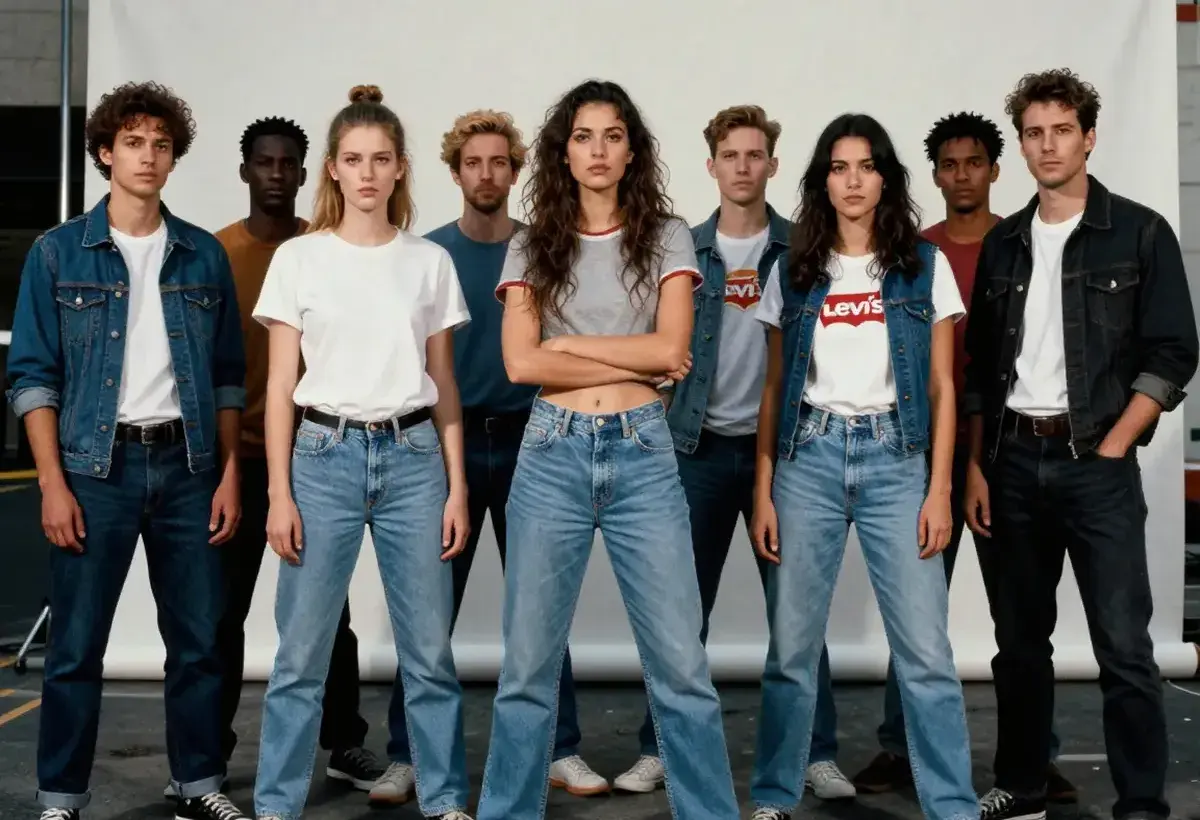
Levi’s jeans may have started in California, but their appeal quickly crossed borders and cultures. Today, Levi’s are worn in more than one hundred countries, making them one of the most recognizable fashion items in the world. What makes this global reach remarkable is how naturally Levi’s fits into different lifestyles while still maintaining its identity.
In many places, owning a pair of Levi’s represents more than style. In some regions, denim symbolized access to Western culture and modern expression. During certain historical periods, Levi’s jeans were considered rare or even rebellious. People valued them not only for their durability but for what they represented. Wearing Levi’s became a quiet statement of openness and connection to global culture.
Despite this worldwide presence, Levi’s adapts thoughtfully to local tastes. Fits, washes, and styling often reflect regional preferences. This flexibility allows the brand to feel familiar without feeling foreign. Levi’s does not impose a single image of cool. Instead, it allows wearers to define what cool means in their own context.
What unites Levi’s fans globally is the shared appreciation for authenticity. Whether worn on city streets, college campuses, or rural landscapes, Levi’s jeans feel honest and dependable. That consistency builds trust across cultures. Levi’s proves that good design speaks a universal language, one rooted in comfort, confidence, and individuality.
Image
6. What’s with the Numbers?
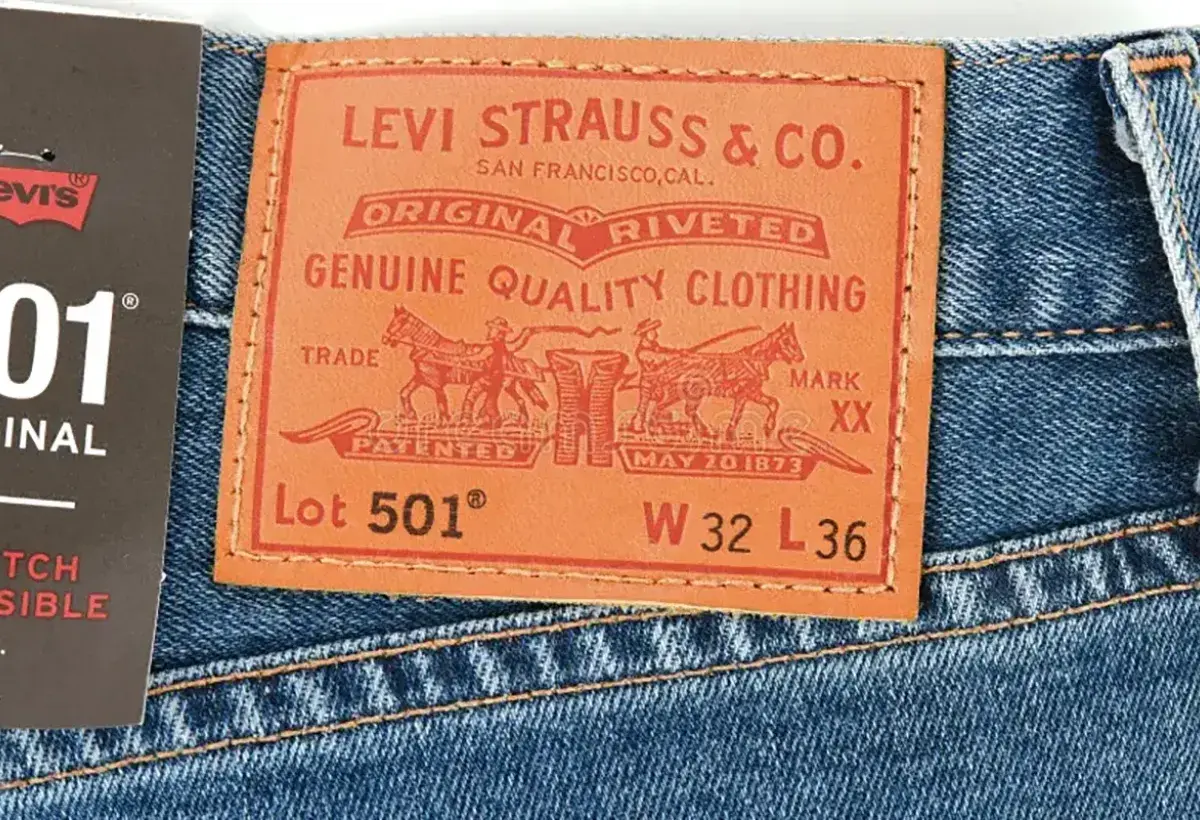
Many people have worn Levi’s 501 jeans without ever questioning what the number actually means. Unlike modern product names designed for branding appeal, the 501 label has a surprisingly practical origin. In the late nineteenth century, Levi Strauss company assigned numbers to batches of products for internal organization. The number 501 simply identified a specific lot of denim trousers.
There was nothing poetic or strategic about the name at first. It was a bookkeeping decision that later became legendary. Over time, the 501 design stood out because of its consistent fit and durability. Customers returned asking for the same style, referring to it by its number. What started as a factory label gradually turned into a symbol of quality.
The 501 jeans became a benchmark for denim design. The straight leg cut, button fly, and durable construction remained largely unchanged for decades. This consistency helped build trust. People knew exactly what they were getting when they bought a pair. The number itself became shorthand for authenticity and heritage.
Today, the 501 name carries immense cultural weight. It represents the original blueprint of Levi’s jeans. Fashion trends may come and go, but the 501 remains a constant. Its continued popularity proves that simplicity and reliability can outlast even the most carefully crafted marketing strategies.
Image
7. A Symbol of Protest and Peace
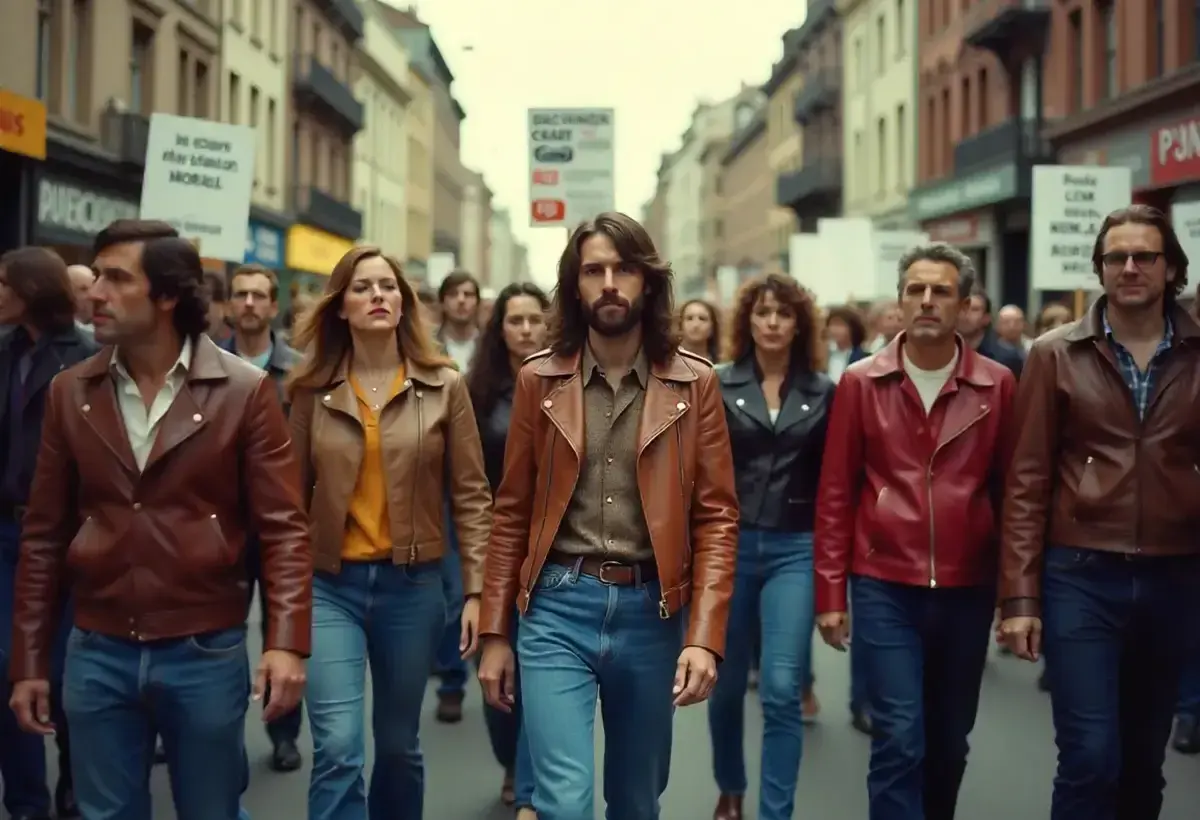
During the nineteen sixties and seventies, Levi’s jeans took on a new role as a symbol of protest and social change. Young people across the world embraced denim as a rejection of rigid dress codes and traditional authority. Wearing jeans became a quiet but powerful statement of freedom, equality, and resistance.
Activists, musicians, and artists adopted Levi’s as part of their everyday uniform. Jeans were practical, affordable, and accessible. They blurred class distinctions and emphasized shared humanity. Whether marching for civil rights or gathering for music festivals, people wore Levi’s as a sign of solidarity and shared values.
The simplicity of denim allowed it to carry meaning without words. Levi’s jeans did not belong to any single movement, which made them adaptable to many causes. From anti war protests to environmental activism, denim became a canvas for self expression. Patches, paint, and wear marks turned each pair into a personal statement.
Levi’s did not create this symbolism intentionally, but the brand did not resist it either. By allowing people to define what their jeans represented, Levi’s strengthened its connection to cultural movements. The legacy of those decades remains visible today, reminding wearers that clothing can be both personal and political.
Image
8. Indigo Magic
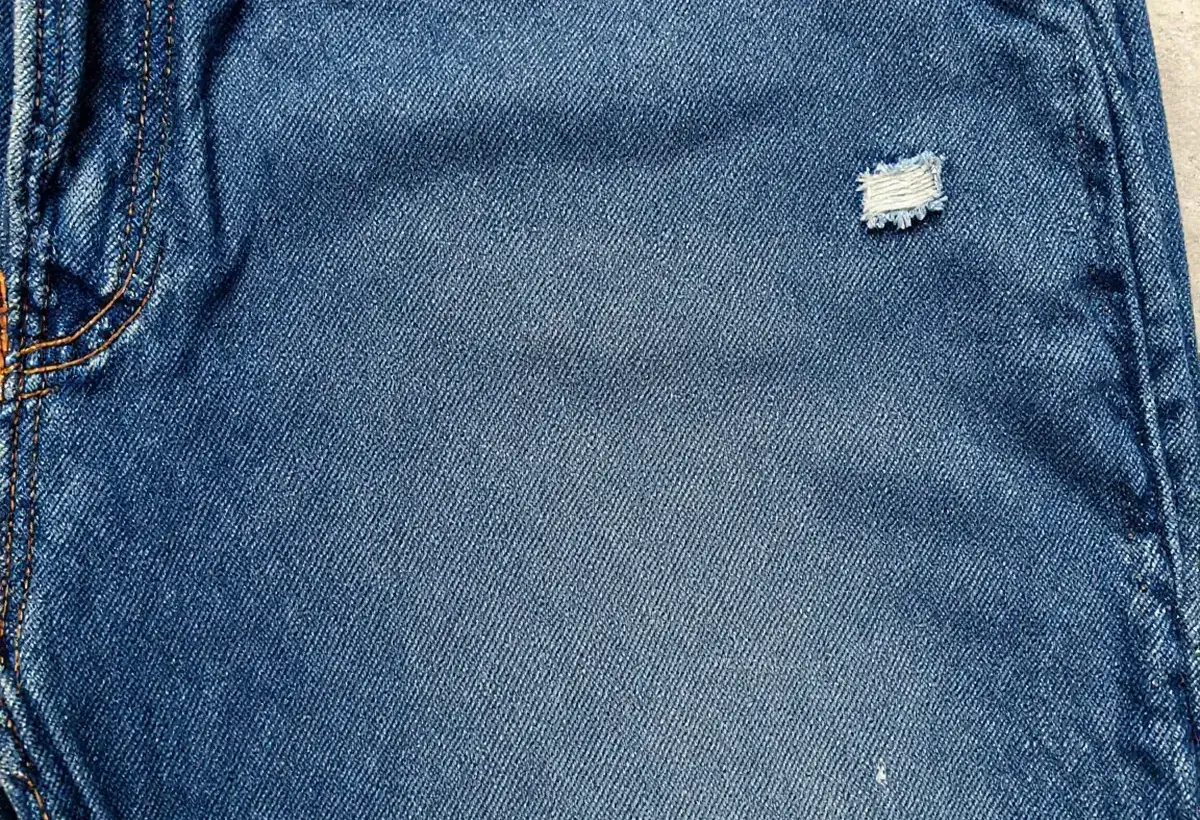
The unmistakable blue of Levi’s jeans comes from indigo dye, and its behavior is part of what makes denim so special. Unlike many dyes that fully soak into fabric, indigo sits mostly on the surface of the cotton fibers. This means the color does not stay perfectly uniform over time. Instead, it slowly wears away in areas of friction, creating fades that reflect how the jeans are used and lived in.
This fading process is often described as a visual diary. Knees lighten from movement. Pockets show outlines of wallets or phones. Creases form where the body naturally bends. No two pairs fade in exactly the same way, which gives Levi’s jeans a deeply personal quality. The indigo does not just color the fabric. It records experience.
Historically, natural indigo was derived from plants and required careful preparation. The dyeing process was labor intensive and relied on skilled techniques passed down over generations. This craftsmanship added value and character to the finished denim. Even as modern production methods evolved, Levi’s continued to embrace the essential qualities of indigo dyed denim.
The appeal of indigo goes beyond appearance. It represents patience and authenticity. Fades cannot be rushed without losing their meaning. That slow transformation is why many denim enthusiasts value raw or minimally treated Levi’s jeans. Indigo magic lies in its honesty. It reveals time, movement, and life without trying to hide any of it.
Image
9. Vintage Equals Gold
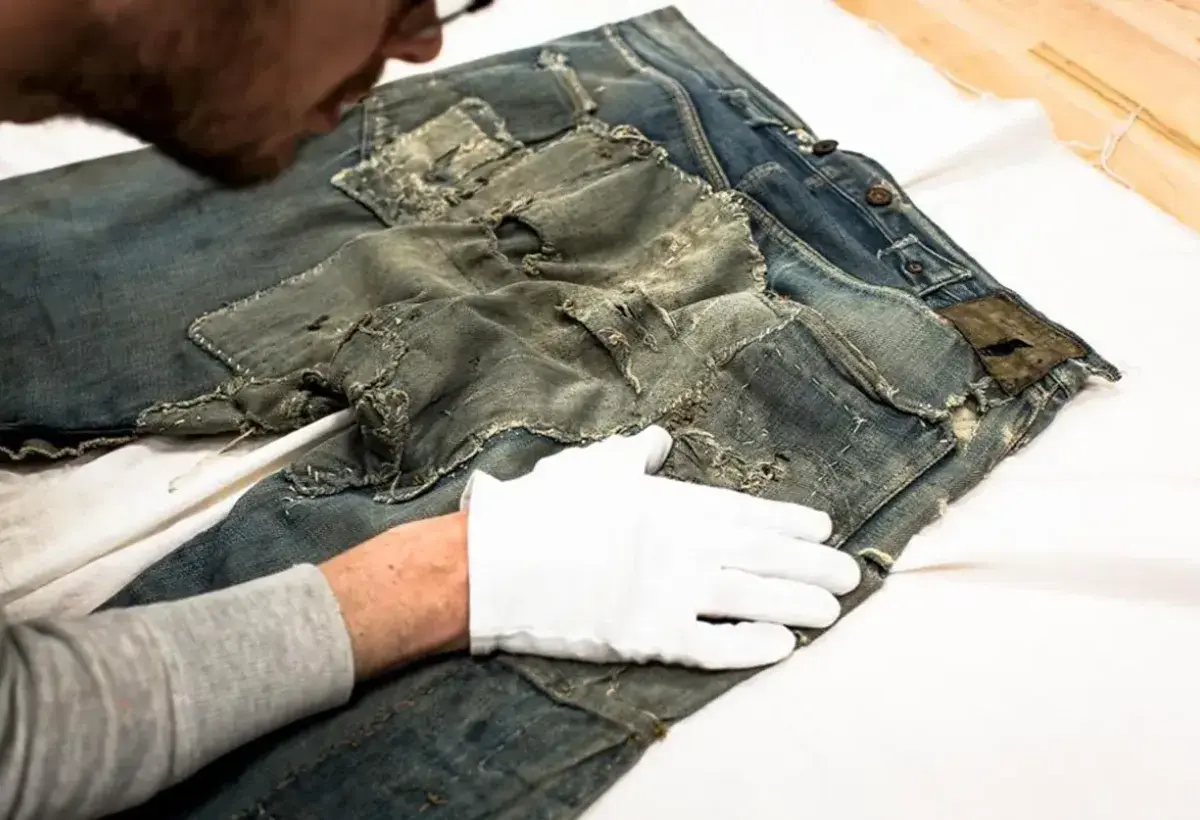
Vintage Levi’s jeans are not just old clothes. They are highly sought after artifacts that can command astonishing prices. Some rare pairs from the early twentieth century have sold for tens of thousands of dollars at auction. Collectors value them for their craftsmanship, historical significance, and unique construction details that no longer exist in modern production.
What makes a pair valuable often comes down to small features. Details such as single needle stitching, hidden rivets, leather patches, and specific denim weaves help experts identify the era of production. Even signs of wear add to the appeal. Fades, repairs, and stains tell a story that mass produced clothing cannot replicate.
These jeans are prized because they reflect a time when clothing was built to last. The fabric was heavier, the stitching denser, and the construction uncompromising. Each pair feels like a piece of working history. Museums and private collectors preserve them not just for fashion, but for cultural heritage.
The rise of vintage Levi’s also speaks to a broader desire for authenticity. In a world dominated by fast fashion, these jeans represent permanence and craftsmanship. Owning a vintage pair is about more than style. It is about connection to the past and appreciation for quality that stands the test of time.
Image
10. American Made Heritage
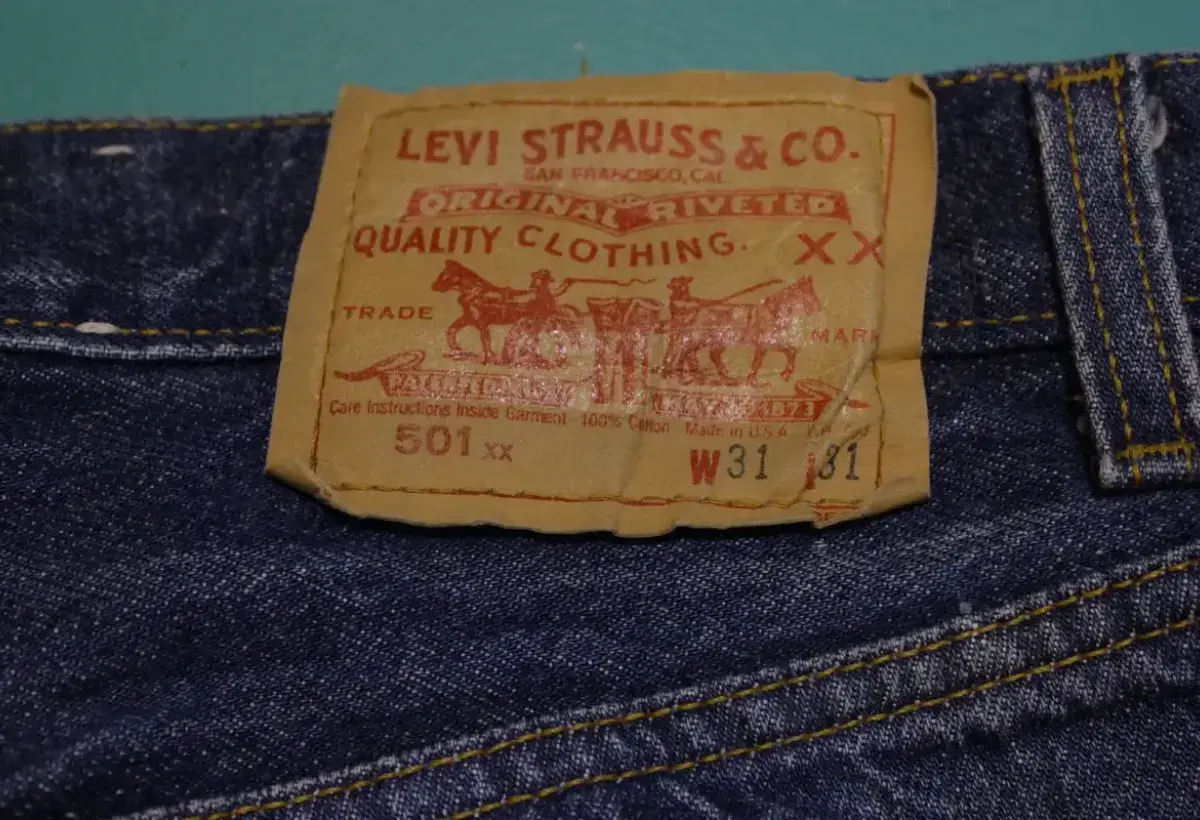
Although Levi’s now produces jeans in many countries, the brand has never forgotten its roots. Levi Strauss founded the company in San Francisco, and that American heritage remains a central part of its identity. To honor this legacy, Levi’s continues to produce special Made in the USA collections that celebrate traditional craftsmanship and design.
These collections often feature premium materials and construction methods inspired by early Levi’s jeans. They appeal to customers who value heritage and transparency in manufacturing. Producing jeans domestically also allows Levi’s to experiment with smaller batch production and meticulous quality control.
The decision to maintain American made lines is not purely nostalgic. It reflects a commitment to honoring the brand’s origins while adapting to modern realities. These collections serve as a bridge between past and present, reminding wearers where Levi’s began and why it continues to matter.
Levi’s heritage is not defined by geography alone. It is defined by values of durability, honesty, and innovation. Whether produced locally or globally, those principles guide the brand. The Made in the USA lines simply make that legacy visible, reinforcing the story stitched into every pair of jeans.
Image
Levi’s blue jeans have endured not because they chase trends, but because they reflect real life. From gold miners to movie stars, from activists to everyday wearers, Levi’s has remained a constant presence across shifting eras. Each pair carries layers of meaning shaped by history, culture, and personal experience.
What sets Levi’s apart is its ability to remain relevant without losing its soul. The brand evolves, yet its core values stay intact. Durability, authenticity, and individuality continue to define what Levi’s stands for. These qualities resonate in a world increasingly hungry for substance over spectacle.
Wearing Levi’s is not about nostalgia alone. It is about choosing something that feels grounded and dependable. The jeans do not try to tell you who to be. They adapt to who you already are. Over time, they become uniquely yours through wear, movement, and memory.
As fashion cycles accelerate, Levi’s reminds us that true icons are built slowly. Their stories are written through use, not hype. Every fade and stitch carries forward a legacy that began more than a century ago and continues to evolve with each new generation.