

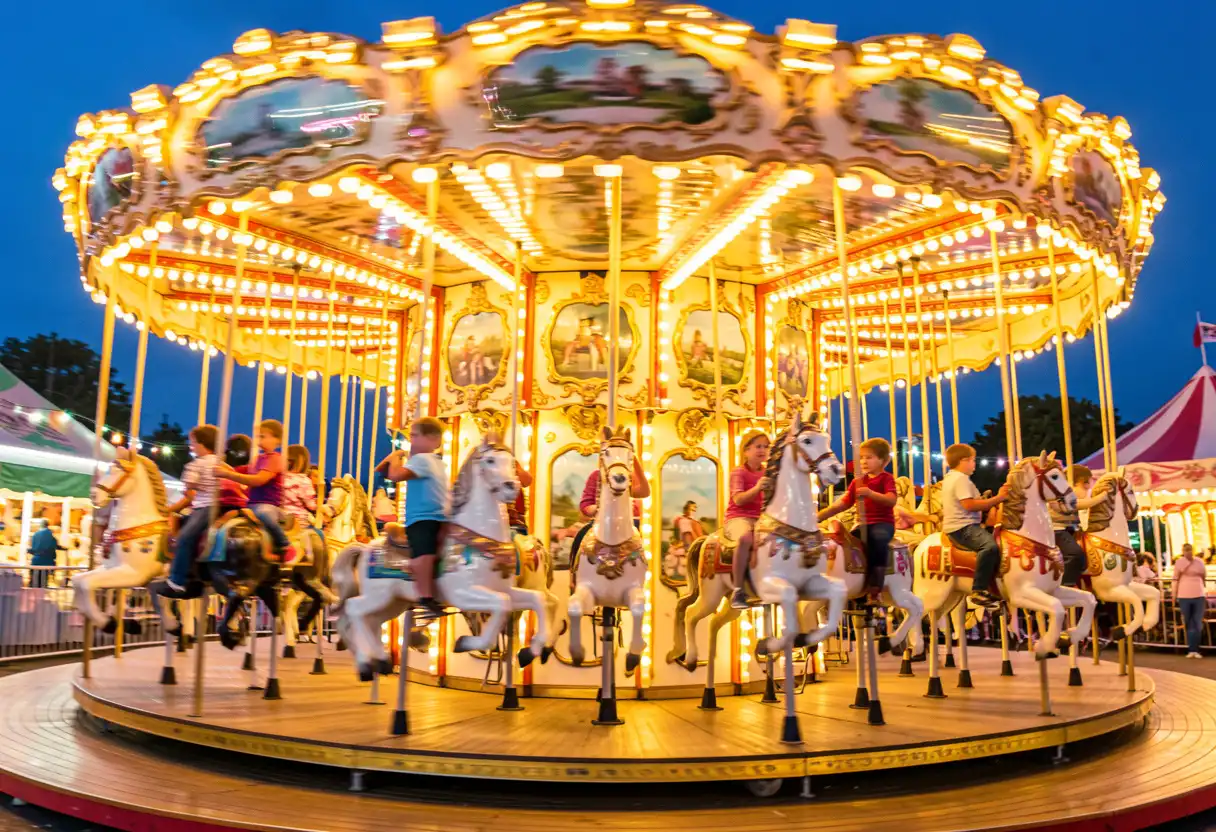
Carousels have a unique way of capturing the imagination. Long before they became a symbol of carnivals, amusement parks, and childhood joy, they carried deeper meanings rooted in history, craftsmanship, and culture. The gentle rise and fall of painted horses, the rhythmic music echoing through the air, and the circular motion itself create an experience that feels both playful and timeless. For many people, a carousel ride is one of the earliest memories of wonder and excitement.
What makes carousels so special is that they exist at the intersection of art, engineering, and storytelling. Every figure, panel, and musical note is intentional. These rides were not mass produced novelties in their earliest days. They were handcrafted works of art, designed to impress royalty, train warriors, or later enchant entire communities. Each carousel carries traces of the era and place where it was created.
Carousels also reflect how societies view leisure and beauty. In their golden age, they were statements of pride, symbols of prosperity, and showcases of artistic skill. Even today, antique carousels are restored with care and protected as cultural treasures. Modern versions still draw crowds, proving that their appeal has not faded with time.
Beyond their charming appearance, carousels are full of surprising stories. Their origins are tied to warfare. Their animals once flew through the air. Their direction of spin differs across continents. Hidden rules, traditions, and design choices shape every ride, often without riders ever realizing it.
Let's explore the lesser known side of carousels, from their medieval beginnings to their place in pop culture. Whether you see them as nostalgic rides or historical artworks, carousels have a rich story that continues to turn generation after generation.
Image
1. Carousels originated as a training tool for knights
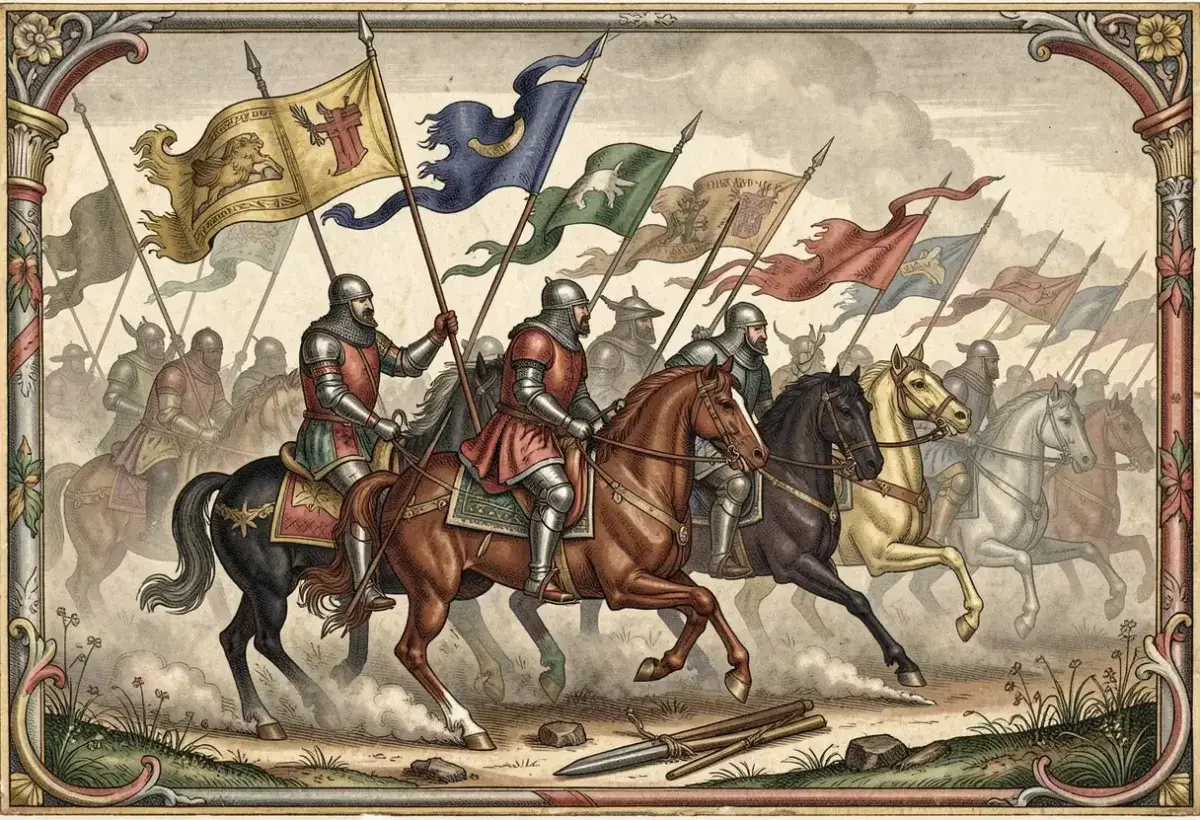
The carousel began not as a source of entertainment, but as a practical training exercise for medieval warriors. The word carousel comes from the Italian term carosella, which translates to little war. This early form involved mounted knights riding in circles while practicing combat techniques, particularly jousting and spear throwing. The spinning motion helped simulate the chaos of real battle conditions.
These early carousels were essentially military drills designed to improve balance, coordination, and precision. Riders would gallop in formation, aiming at targets while maintaining control of their horses. The circular movement forced knights to stay alert and responsive, sharpening their skills in a dynamic environment.
Over time, these exercises evolved into elaborate displays held for royal courts and public celebrations. The competitive and martial elements softened, making way for theatrical performances that showcased horsemanship rather than combat. This transition marked the beginning of the carousel’s shift from battlefield training to ceremonial spectacle.
As societies became less focused on mounted warfare, the carousel continued to evolve. The horses remained, but the weapons disappeared. What was once preparation for war slowly transformed into a display of pageantry and skill that anyone could admire.
This surprising origin adds depth to what is now seen as a gentle ride. Every rotation of a modern carousel echoes a long history of movement, discipline, and tradition rooted in medieval Europe.
Image
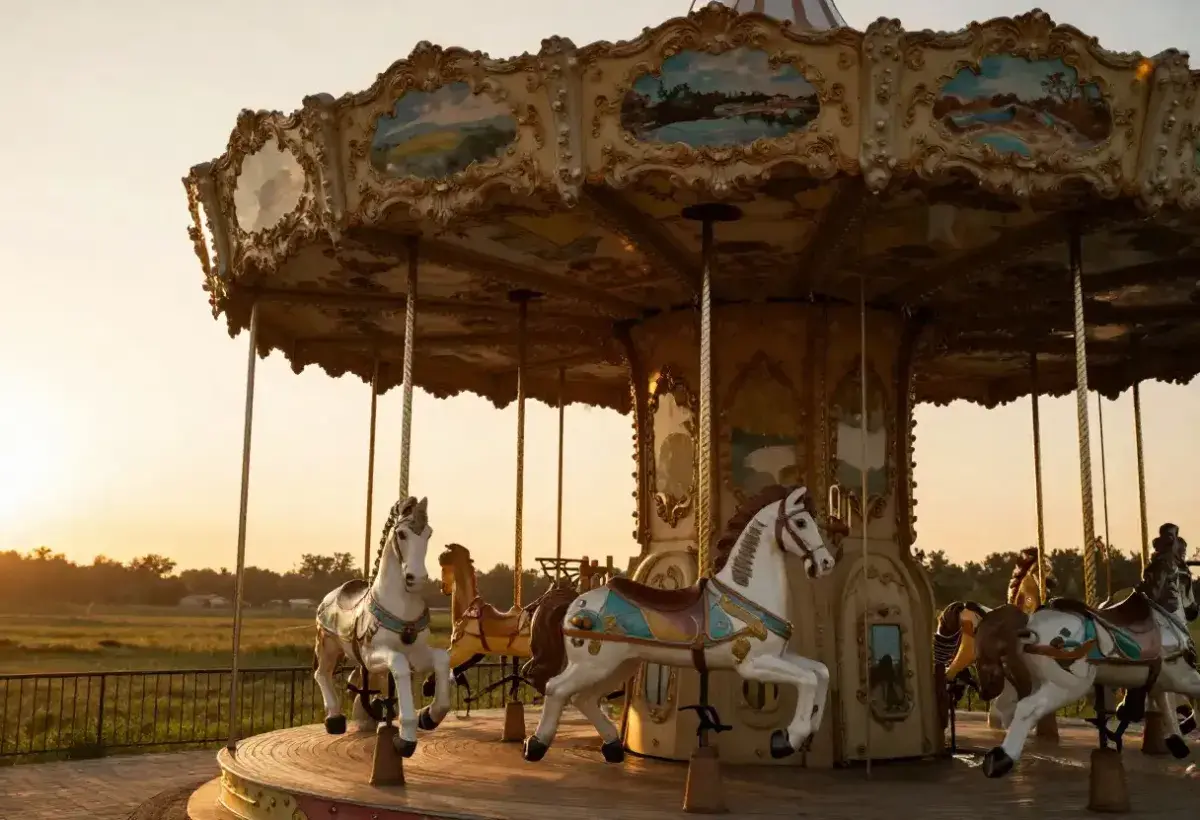
2. The first carousels didn’t have platforms animals hung from chains
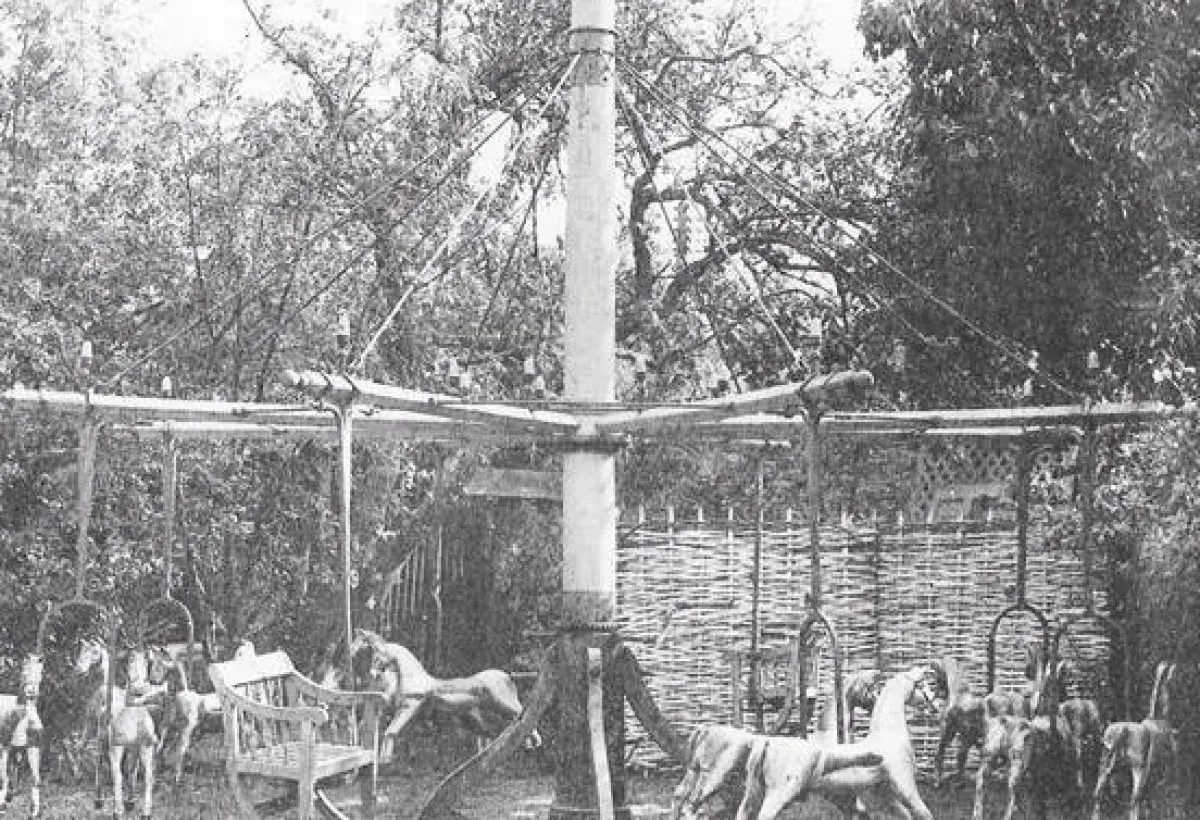
Early carousels looked very different from the solid platforms people recognize today. Instead of standing on a stable base, riders were suspended in the air. Animals were attached to chains or ropes and swung outward as the structure spun. The motion created a flying sensation that was both thrilling and unpredictable.
This design emphasized excitement rather than comfort. Riders experienced a strong centrifugal pull, making the ride feel more like controlled chaos than gentle amusement. While exhilarating, these early versions were also less safe and required careful balance from participants.
The introduction of platforms in the nineteenth century marked a major turning point. Platforms allowed for smoother rides, increased stability, and more elaborate designs. This change made carousels accessible to children and families, broadening their appeal beyond thrill seekers.
Platforms also allowed carvers and artists to add detail and weight to the figures. Horses could be more expressive, ornate, and realistic without the limitations of hanging structures. This led directly to the golden age of carousel artistry.
What began as swinging animals in open air evolved into the polished, decorative rides people cherish today. The platform transformed the carousel into a shared experience built around comfort, beauty, and imagination.
Image
3. No two carousel horses are exactly alike
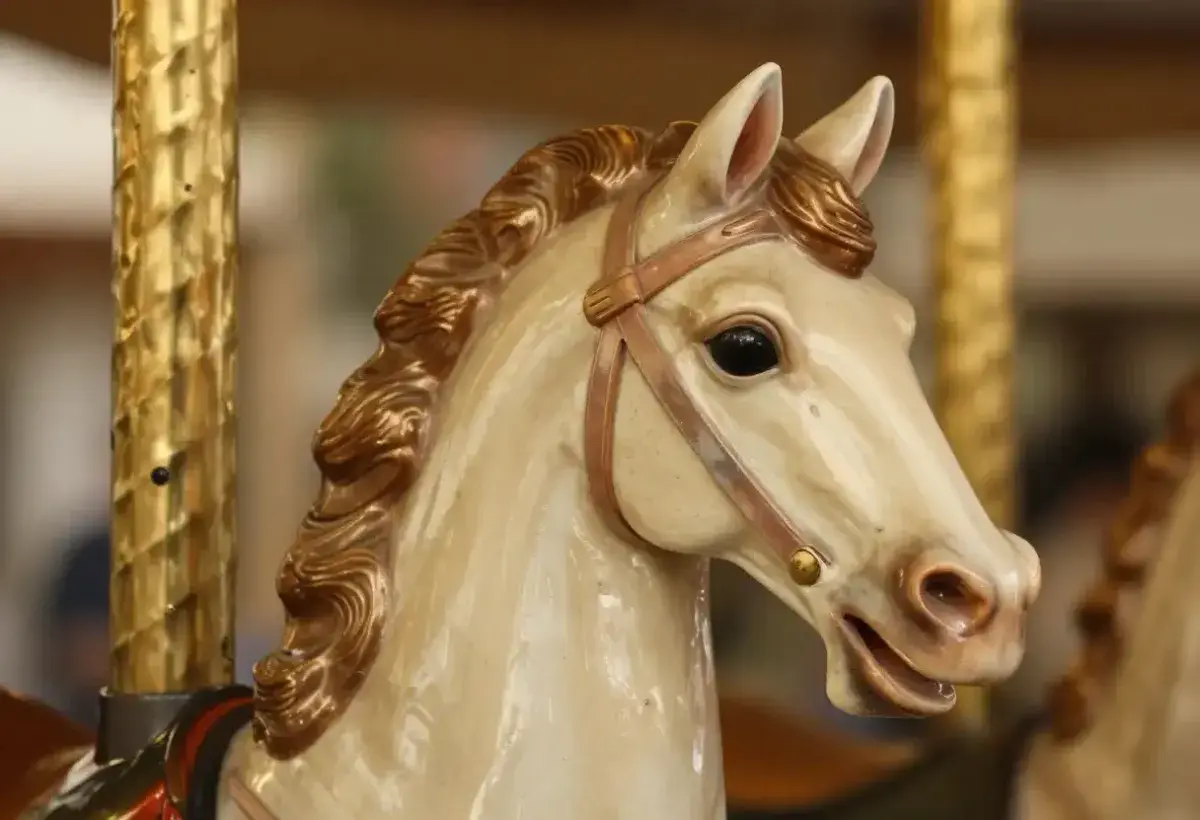
One of the most charming aspects of traditional carousels is the individuality of their horses. Unlike modern rides that rely on identical molds, vintage carousel horses were carved by hand. Each artisan brought personal style, emotion, and creativity into every figure.
Carvers paid close attention to posture, facial expression, and movement. Some horses appear fierce and battle ready, while others look gentle and playful. Details like flared nostrils, flowing manes, and muscular legs give each horse a unique personality.
Decoration further enhanced this individuality. Horses were painted with intricate patterns, vibrant colors, and symbolic designs. Some featured real horsehair tails, glass jewels, or gold leaf accents. These elements turned each figure into a standalone piece of art.
Even within the same carousel, no two horses were identical. Riders often developed favorites, seeking out the same horse every time. This personal connection added emotional value to the ride.
Today, antique carousel horses are collected and displayed in museums and private collections. Their uniqueness is part of what makes them so valuable, both artistically and historically.
Image
4. The lead horse is usually the most decorated
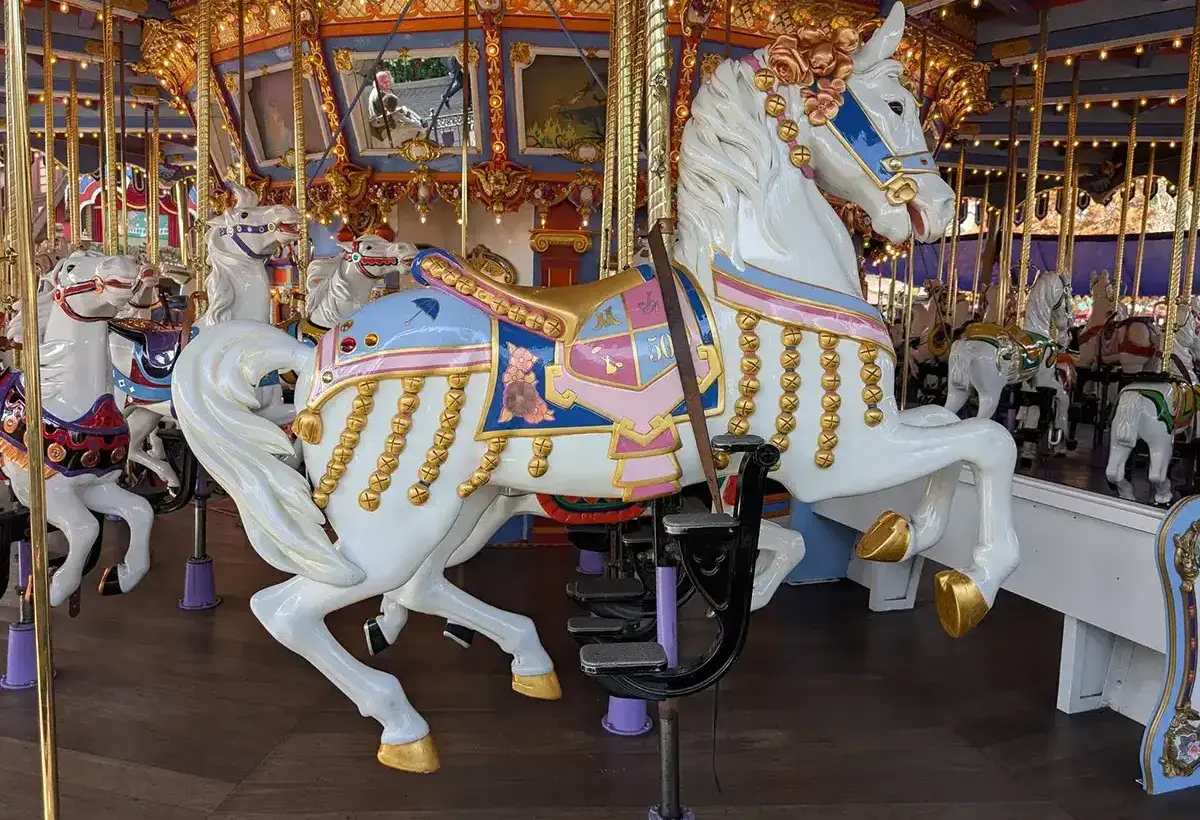
The lead horse holds a special place on a carousel. Traditionally positioned on the outer row, it is meant to guide the procession. Because it is the most visible figure, it often receives the most elaborate decoration.
Lead horses are frequently adorned with armor, ornate saddles, flags, or jewels. Their design draws the eye and sets the tone for the rest of the ride. In some traditions, the lead horse symbolized leadership, honor, or protection.
Carvers used the lead horse as a showcase of their finest work. It allowed them to demonstrate skill, creativity, and attention to detail. This is why lead horses are often the most expressive and dramatic figures on a carousel.
Riders who chose the lead horse sometimes did so as a sign of confidence or pride. Standing at the front gave a feeling of importance and visibility during the ride.
Today, the lead horse remains a symbol of carousel tradition and artistry. It represents the spirit of movement, celebration, and craftsmanship that defines the ride.
Image
5. Some carousels spin clockwise others counterclockwise
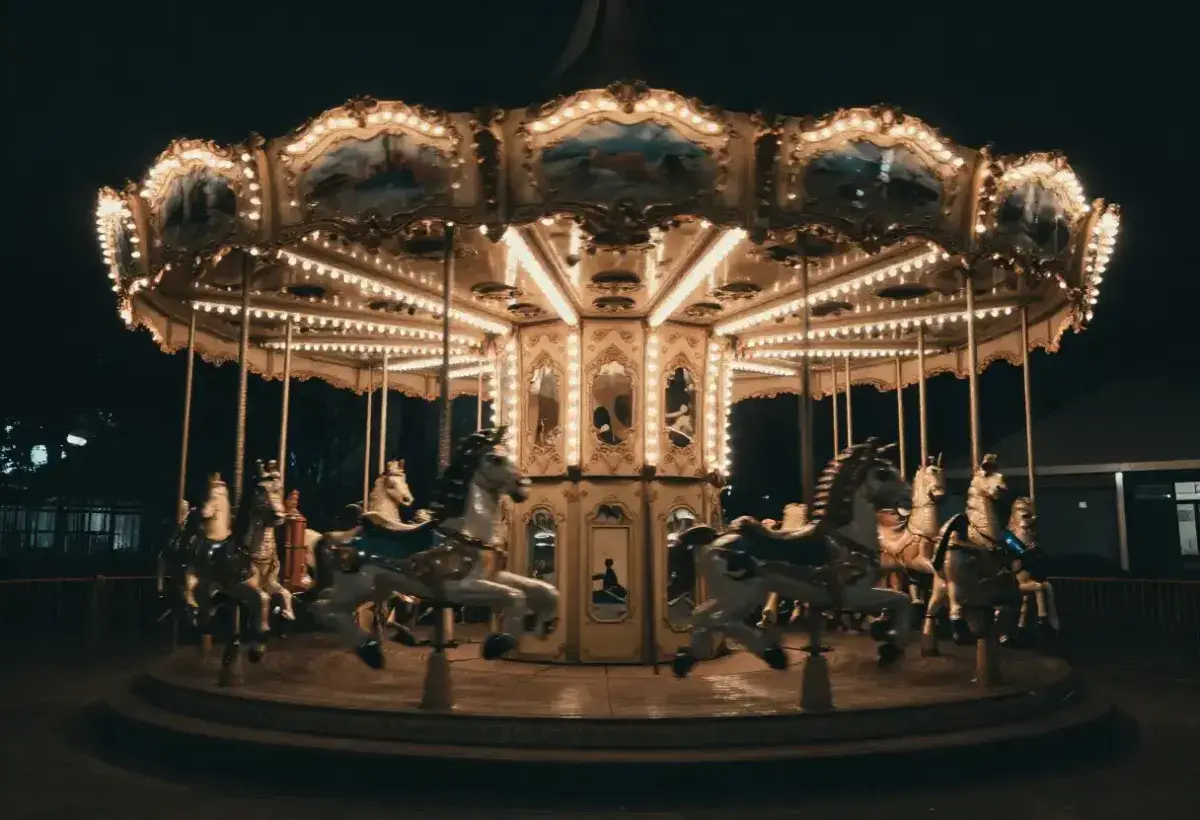
The direction a carousel spins is not random. It often reflects regional traditions and practical considerations. In most of Europe, carousels rotate clockwise. In North America, they typically spin counterclockwise.
This difference is believed to be linked to riding customs. Historically, people mounted horses from the left side. The direction of rotation made it easier and safer for riders to step on and off depending on local norms and layout.
Cultural habits also played a role. As carousels spread across continents, builders followed familiar patterns. Over time, these preferences became standard within each region.
Many riders never consciously notice the direction of spin, yet it subtly affects the experience. The movement influences how scenery passes by and how riders orient themselves.
This small detail highlights how carousels blend tradition, design, and human behavior in ways that continue to shape the ride today.
Image
6. Carousels were once considered high art
During the golden age of carousels from the late nineteenth to early twentieth century, these rides were regarded as serious artistic achievements. Master carvers from Germany and the United States treated carousel figures as sculptures, not toys.
Each figure was carefully planned, carved, and painted by skilled artisans. Workshops became centers of creativity where techniques were passed down through generations. The goal was not just entertainment, but beauty and craftsmanship.
Carousels were often commissioned by wealthy patrons or cities seeking to showcase cultural sophistication. They became public art installations that attracted admiration and pride.
Today, original carousel figures can sell for extraordinary prices, reflecting their artistic and historical value. Museums preserve them as examples of functional art that once brought joy to entire communities.
Image
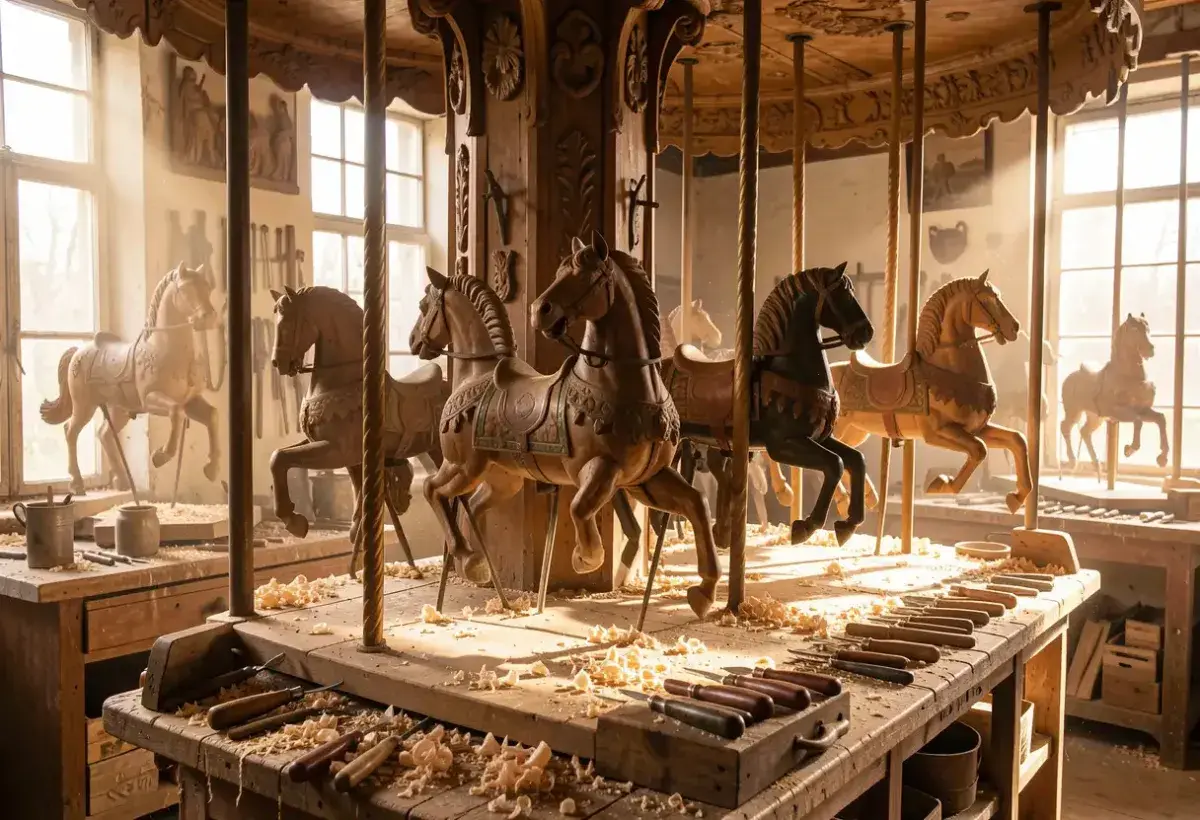
7. The music is played by a calliope
The distinctive sound of a carousel is one of its most recognizable features, and that sound traditionally comes from a calliope. A calliope is a mechanical musical instrument that uses steam or compressed air to push sound through a series of whistles or pipes. This creates a bright, cheerful tone that can be heard from far away, which was intentional in early fairgrounds.
Before modern speakers existed, carousel operators needed a way to attract visitors. The loud and joyful sound of a calliope acted as both entertainment and advertisement. As the carousel turned, the music filled the air, drawing people toward the ride and creating an atmosphere of excitement and celebration.
Calliopes often played pre programmed tunes using music rolls or books, similar to how player pianos work. These melodies became closely associated with the carousel experience, embedding themselves in the memories of riders. For many people, hearing a calliope instantly triggers feelings of nostalgia and childhood wonder.
The sound of a calliope is slightly imperfect and reedy, which adds to its charm. Unlike digital music, it feels alive and organic. This quality gives carousels a sense of warmth and personality that modern sound systems often struggle to replicate.
Today, many historic carousels preserve their original calliopes as treasured components. Even when replicas or recordings are used, the calliope remains a defining symbol of carousel culture and tradition.
Image
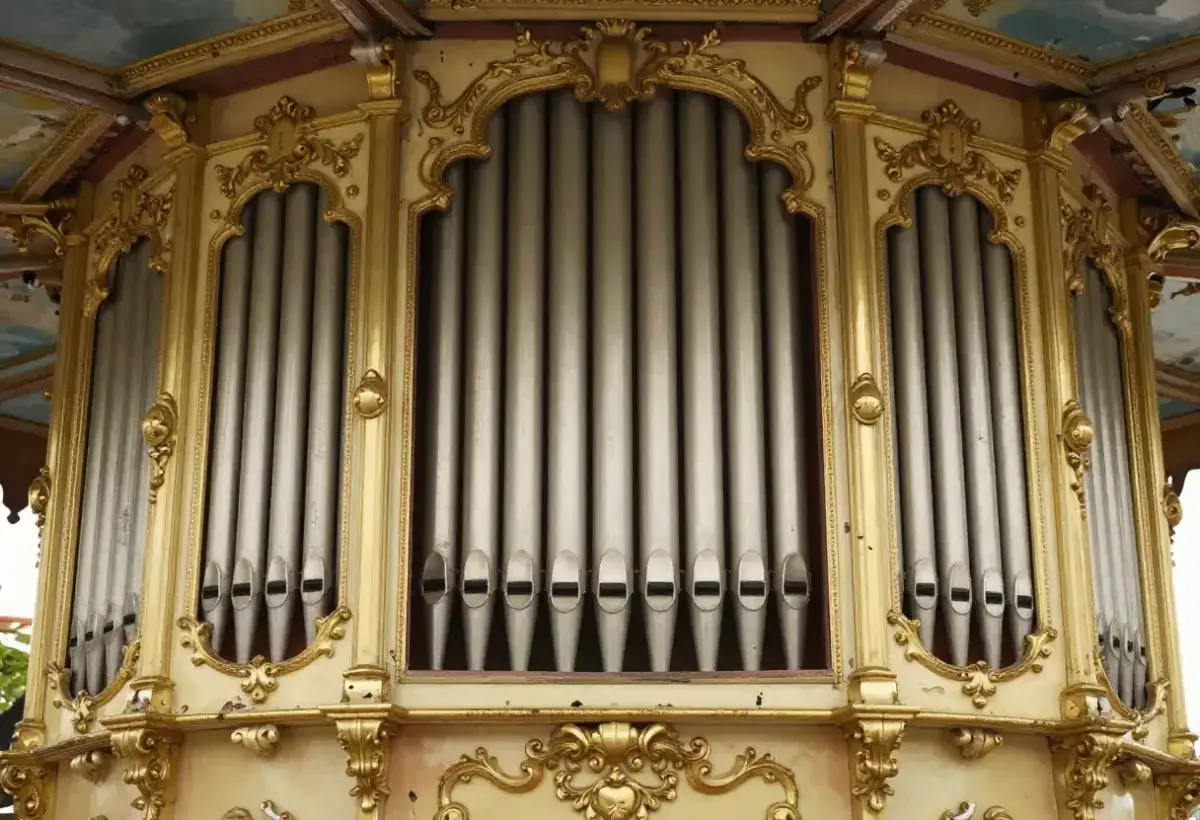
8. The oldest operating carousel is from 1780
The oldest known operating carousel dates back to the late eighteenth century and is located in France. This remarkable structure has survived centuries of social change, technological advancement, and shifting entertainment trends. Its continued operation makes it a living piece of history rather than a static museum exhibit.
Unlike modern carousels filled with horses and animals, this early carousel features boats and chariots. These figures reflect the artistic preferences and cultural influences of its time. The absence of animals highlights how carousel designs evolved gradually rather than appearing in their familiar form overnight.
The craftsmanship of this carousel reveals early engineering ingenuity. Its structure was designed to support movement and riders long before electricity or modern machinery. Maintenance and restoration efforts over the years have preserved its functionality while respecting its original design.
Riding this carousel offers a rare opportunity to experience entertainment as people did more than two centuries ago. The slow turning motion and handcrafted details create a connection between past and present that few attractions can offer.
Its survival demonstrates the lasting appeal of circular motion, rhythm, and shared joy. Even after hundreds of years, the carousel continues to delight riders, proving that its magic transcends time.
Image
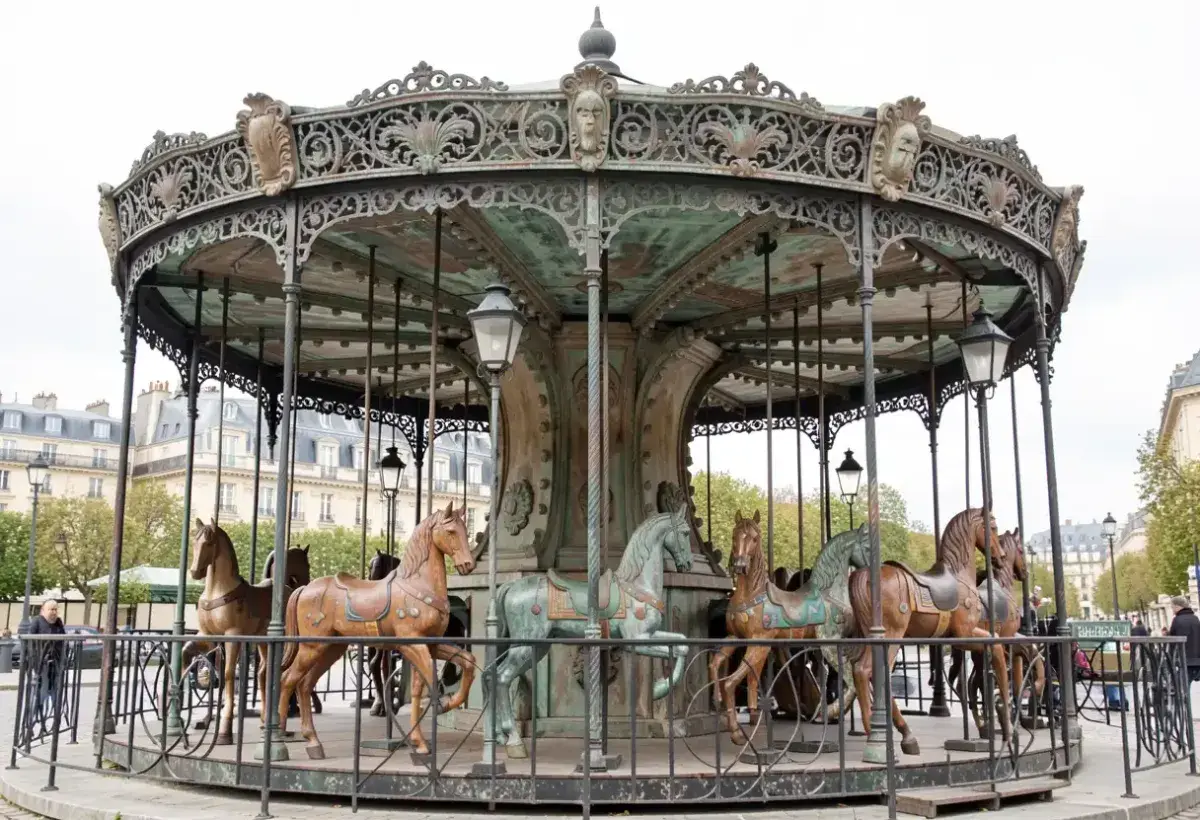
9. There’s a National Carousel Day
National Carousel Day is celebrated on July twenty fifth and is dedicated to honoring the joy, artistry, and cultural significance of carousels. While it may sound whimsical, the day plays an important role in raising awareness about carousel preservation and history.
On this day, many historic carousels host special events, discounted rides, and educational programs. These activities help communities reconnect with local landmarks and appreciate the craftsmanship behind them. Some organizations use the occasion to fundraise for restoration projects.
National Carousel Day also highlights how carousels bring people together. Families, collectors, historians, and artists all share a common appreciation for these rides. The celebration reminds people that entertainment can be meaningful, artistic, and rooted in tradition.
The day encourages people of all ages to take a moment away from fast paced digital life and enjoy something simple and joyful. A carousel ride becomes a shared experience that bridges generations.
By celebrating carousels, National Carousel Day helps ensure that these rides continue to spin for future audiences, preserving both history and happiness.
Image
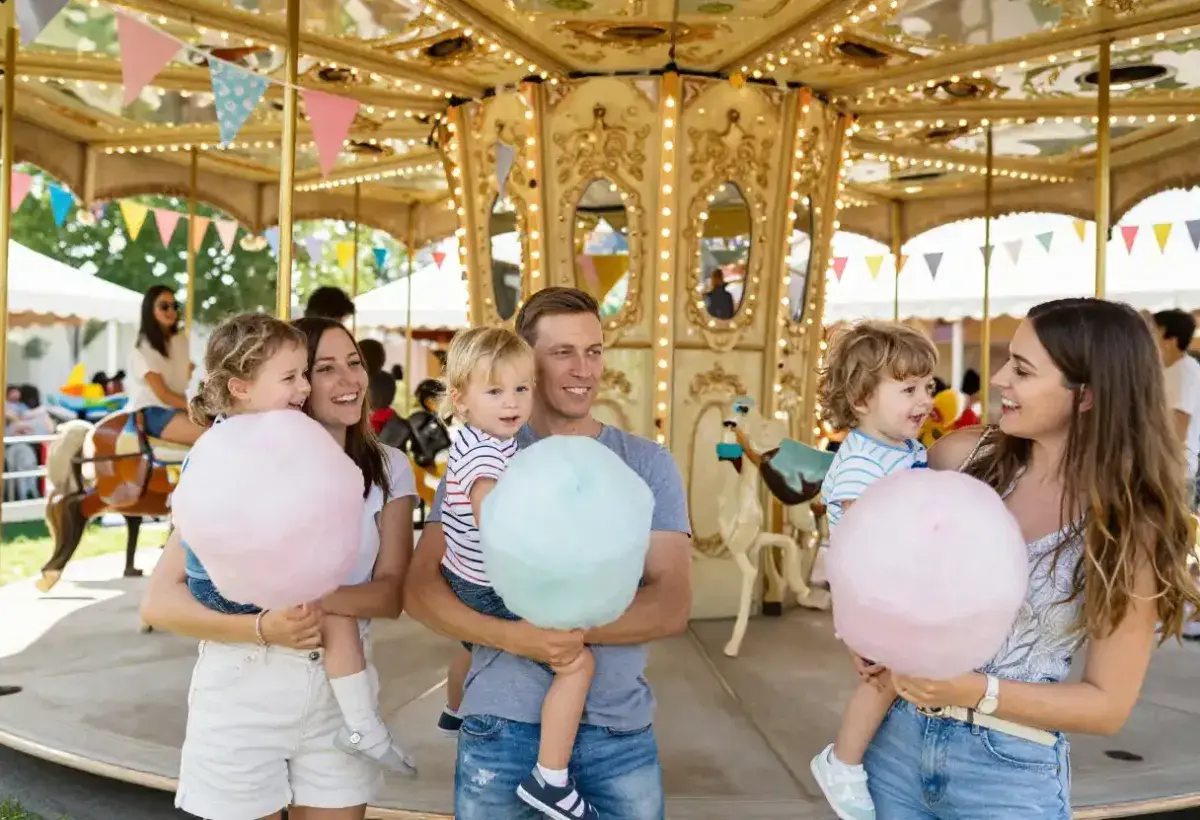
10. Carousels have made it into pop culture and movies
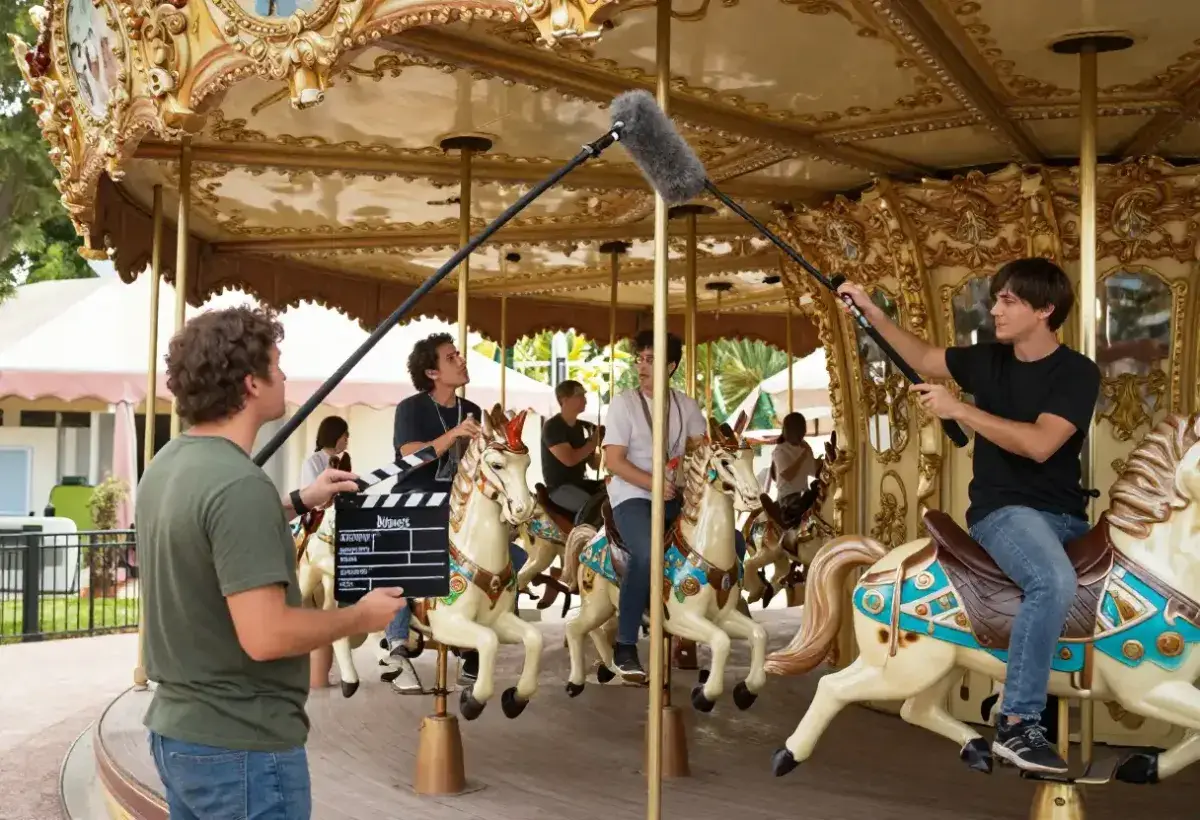
Carousels frequently appear in movies, television shows, and artwork because they carry strong emotional symbolism. Filmmakers often use them to represent childhood innocence, nostalgia, or the passage of time. Their circular motion visually reinforces themes of memory and repetition.
In many stories, a carousel scene marks a moment of reflection or emotional transition. Characters may confront their past, rediscover joy, or experience a dreamlike pause from reality. The gentle movement and music create a surreal atmosphere that audiences instantly recognize.
Classic films and modern series alike have featured carousels as central visual elements. These scenes often linger in viewers’ minds because they tap into shared experiences. Nearly everyone has ridden or seen a carousel, making it a powerful storytelling tool.
Carousels also appear in photography, album art, and literature. Artists use them to evoke whimsy or melancholy, depending on context. Their layered meanings allow them to shift easily between lighthearted and profound.
Through pop culture, carousels remain relevant even as entertainment trends change. Their presence on screen ensures that new generations continue to associate them with imagination, emotion, and timeless charm.
Image
Carousels endure because they combine motion, art, music, and memory into a single experience. They are reminders that joy does not need to be complicated. Each spin carries stories of history, craftsmanship, and human creativity.
From medieval training grounds to modern amusement parks, carousels have adapted while preserving their essence. They connect generations through shared wonder and simple delight.
Understanding their history deepens appreciation for every ride. What seems playful on the surface reveals layers of culture and tradition beneath.
As long as people value beauty, movement, and nostalgia, carousels will continue to turn.