


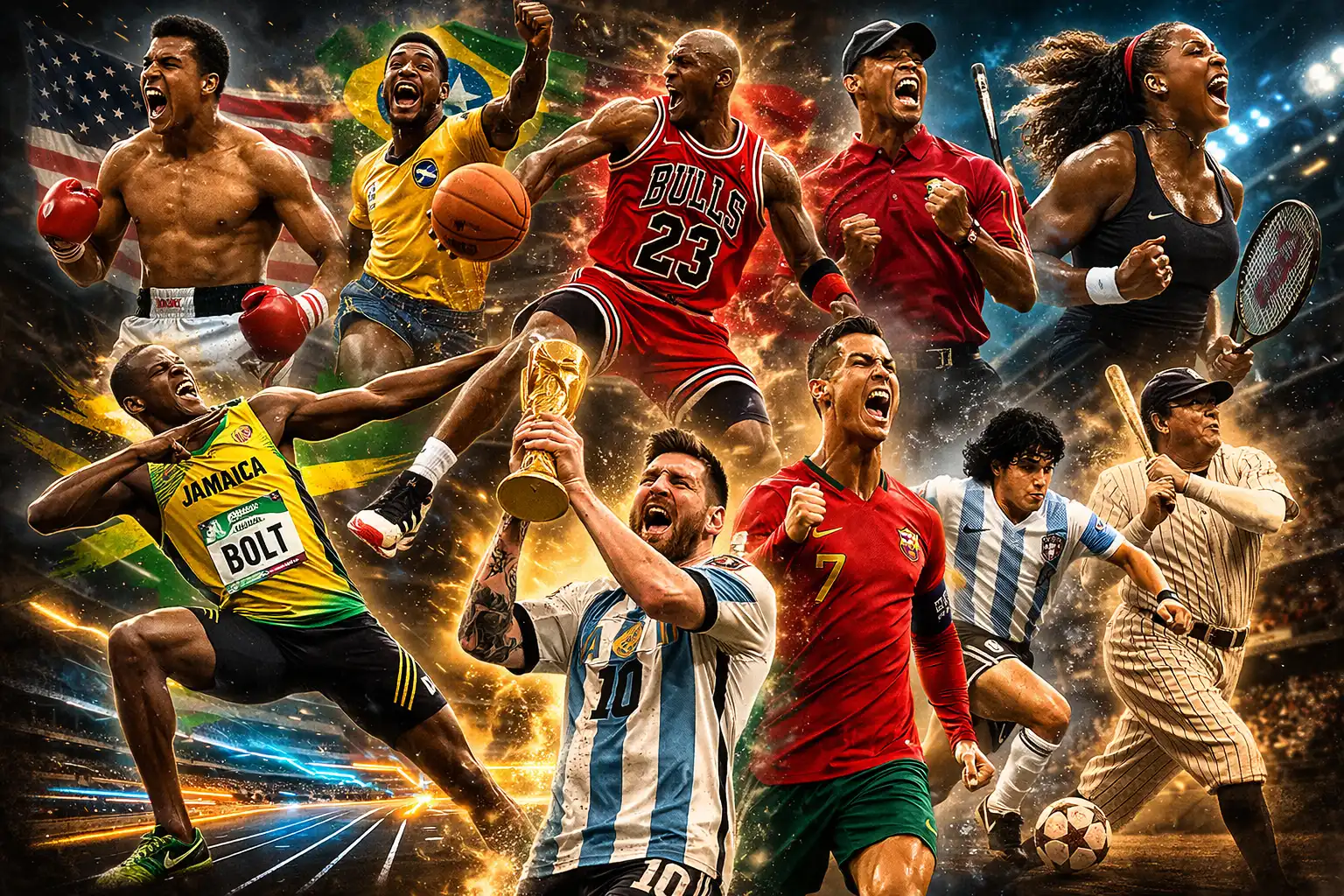
Sport has always been more than competition. It reflects culture, identity, aspiration, and shared human emotion across generations. Certain athletes rise beyond trophies and statistics to become symbols recognized even by people who rarely watch sports. Their influence extends into fashion, politics, entertainment, advertising, and global conversation. These figures shape how entire eras are remembered and often represent moments of social change, national pride, or worldwide unity.
From early radio broadcasts to modern streaming platforms and social media, the reach of sports icons has expanded dramatically. Athletes who once inspired stadium crowds now inspire billions through screens. Recognition today is not only about athletic dominance but also personality, storytelling, resilience, and cultural relevance. Some became icons through activism and courage. Others reshaped business and branding in ways that permanently altered professional sports. A few achieved near mythical status, with moments that remain replayed decades later.
Global recognition also depends on timing. Early pioneers helped build modern sports culture during the rise of mass media. Later stars benefited from television and globalization, bringing games to audiences across continents. Today’s icons operate in a digital environment where a single highlight can reach millions within seconds. Despite these differences, all legendary athletes share one defining quality: they transcend their sport.
The individuals in this list are not ranked strictly by statistics or championships. Instead, they are recognized for cultural impact, worldwide fame, and enduring legacy. Each name represents more than athletic achievement. They symbolize inspiration, controversy, innovation, and sometimes transformation within society itself. Whether through unforgettable performances, groundbreaking influence, or global appeal, these athletes became universal figures whose recognition crosses language, nationality, and generation.
Below are ten sports icons whose presence shaped history and whose names remain instantly recognizable around the world.
1. Muhammad Ali (Boxing, USA)
“Float like a butterfly, sting like a bee.”
Muhammad Ali stands as one of the most recognizable athletes in human history because his legacy combined athletic brilliance with cultural transformation. Inside the boxing ring, Ali revolutionized heavyweight fighting with speed, footwork, and charisma rarely seen in fighters of his size. His victories against Sonny Liston, Joe Frazier, and George Foreman became defining sporting moments that captured global attention.
Image
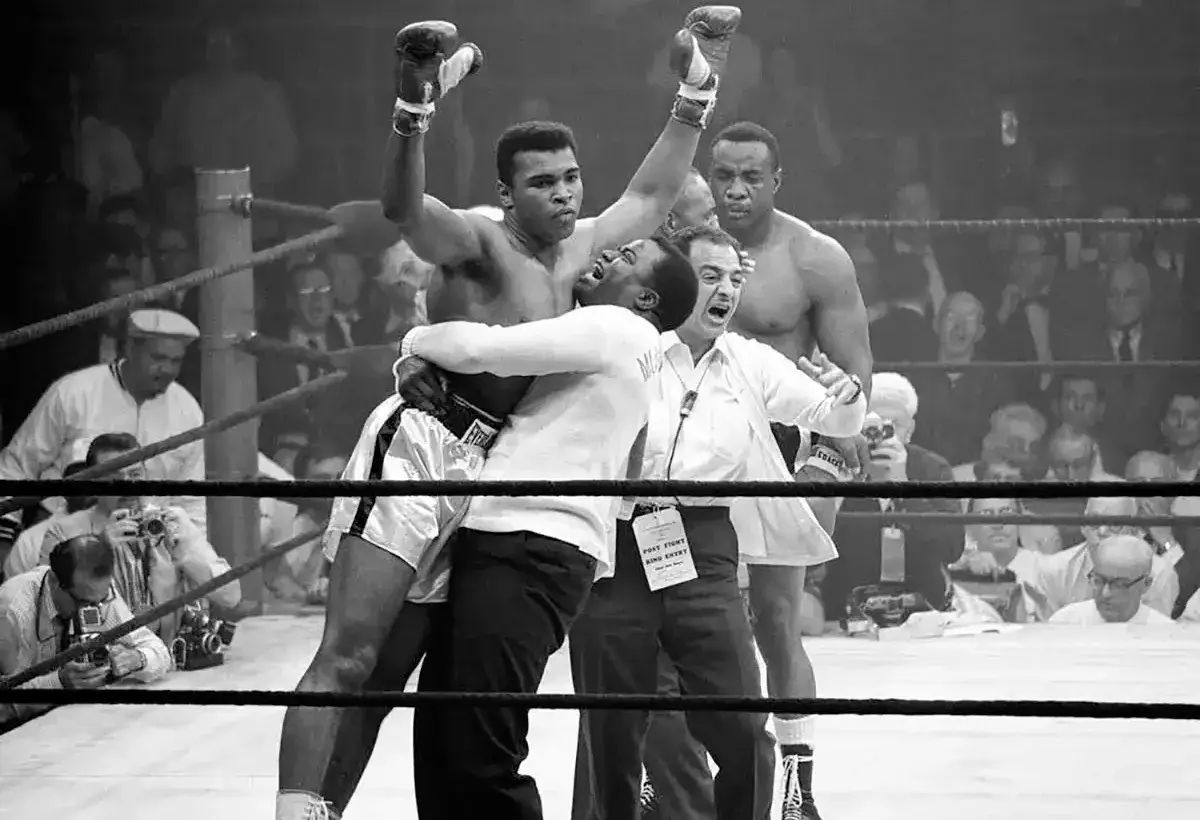
Ali’s fame extended far beyond boxing because he spoke openly about identity, justice, and personal belief during a turbulent era in American history. His refusal to be drafted into the Vietnam War made him a controversial figure at the time, yet it ultimately strengthened his reputation as a man willing to sacrifice career and title for principle. This decision transformed him into a global symbol of courage and resistance.
His personality played a major role in his recognition. Ali mastered media long before athletes employed branding teams. His poetic trash talk, humor, and confidence turned press conferences into entertainment events. He understood storytelling and performance in ways that anticipated modern sports marketing decades ahead of its time.
Internationally, Ali represented hope and pride across continents. He visited countries throughout Africa and Asia, where crowds welcomed him not simply as an athlete but as a cultural ambassador. Even people unfamiliar with boxing recognized his name and voice.
Ali’s lasting influence lies in how he redefined what an athlete could represent. He proved that sports figures could shape political discussion, inspire social movements, and influence global culture while still achieving greatness in competition. His legacy continues to inspire athletes who see their platforms as tools for change rather than fame alone.
2. Michael Jordan (Basketball, USA)
Michael Jordan transformed basketball from a popular sport into a worldwide cultural phenomenon. During the 1990s, his dominance with the Chicago Bulls coincided with the global expansion of television broadcasting, allowing audiences across continents to witness his performances in real time. His six NBA championships and countless highlight plays established a standard of excellence that still defines greatness in basketball.
Image
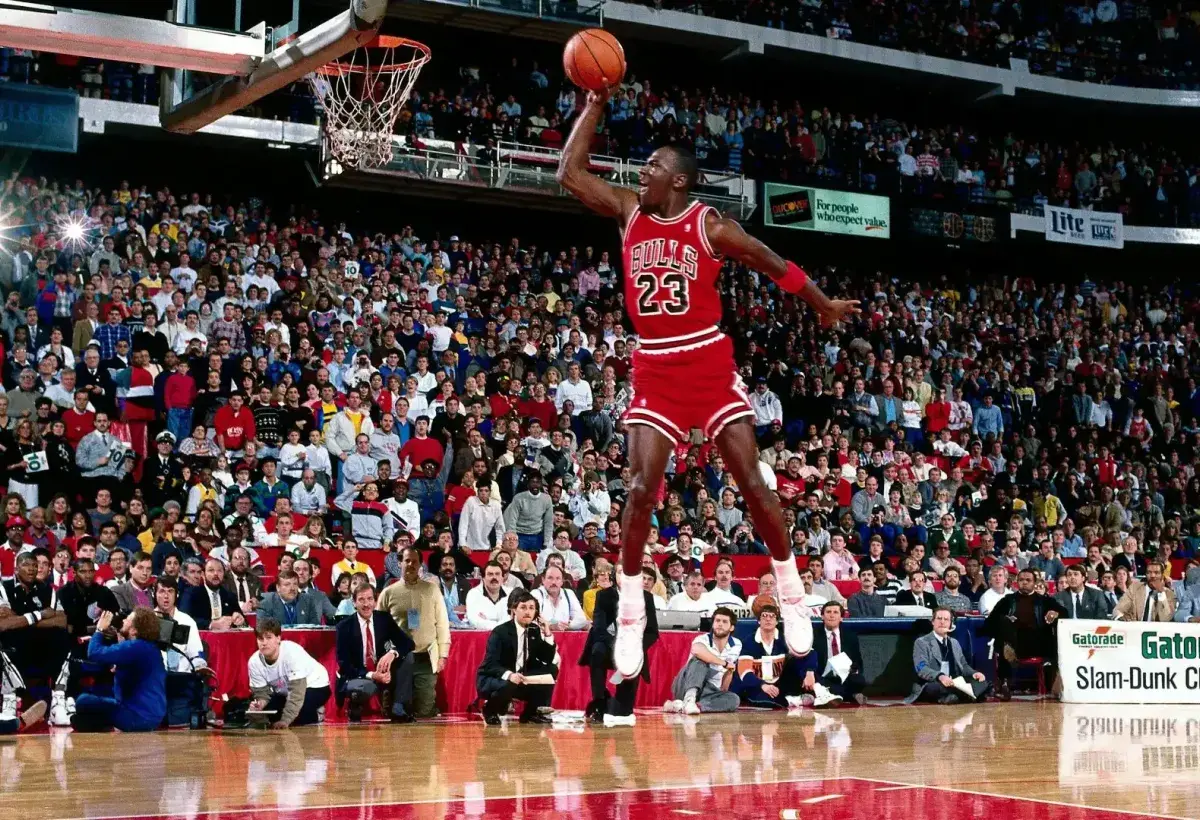
Jordan’s appeal reached beyond athletic performance because he embodied competitiveness and style. His calm confidence under pressure created unforgettable moments, particularly game winning shots that seemed almost inevitable. Fans began associating basketball success with his image, making him synonymous with the sport itself.
A major factor behind his recognition was the Air Jordan brand. His partnership with Nike reshaped athlete endorsements forever. Sneakers became cultural symbols tied to identity, music, and fashion. The success of this collaboration demonstrated that athletes could become global business brands independent of their teams or leagues.
Jordan also benefited from appearing in commercials, films, and international marketing campaigns that introduced him to audiences unfamiliar with basketball. His role in popular culture expanded his recognition among children, casual viewers, and non sports fans alike.
Even after retirement, Jordan’s legacy continues through ownership, branding, and ongoing cultural relevance. Younger generations who never watched him play still recognize his silhouette logo instantly. His influence shows how athletic greatness combined with marketing innovation can create a lasting global icon whose recognition spans decades.
3. Pelé (Football, Brazil)
Pelé became football’s first true global superstar at a time when international media was still developing. Winning three FIFA World Cups with Brazil elevated him into worldwide fame, making him a symbol of excellence and joy associated with the sport. His style combined creativity, athleticism, and elegance, captivating audiences everywhere.
Image
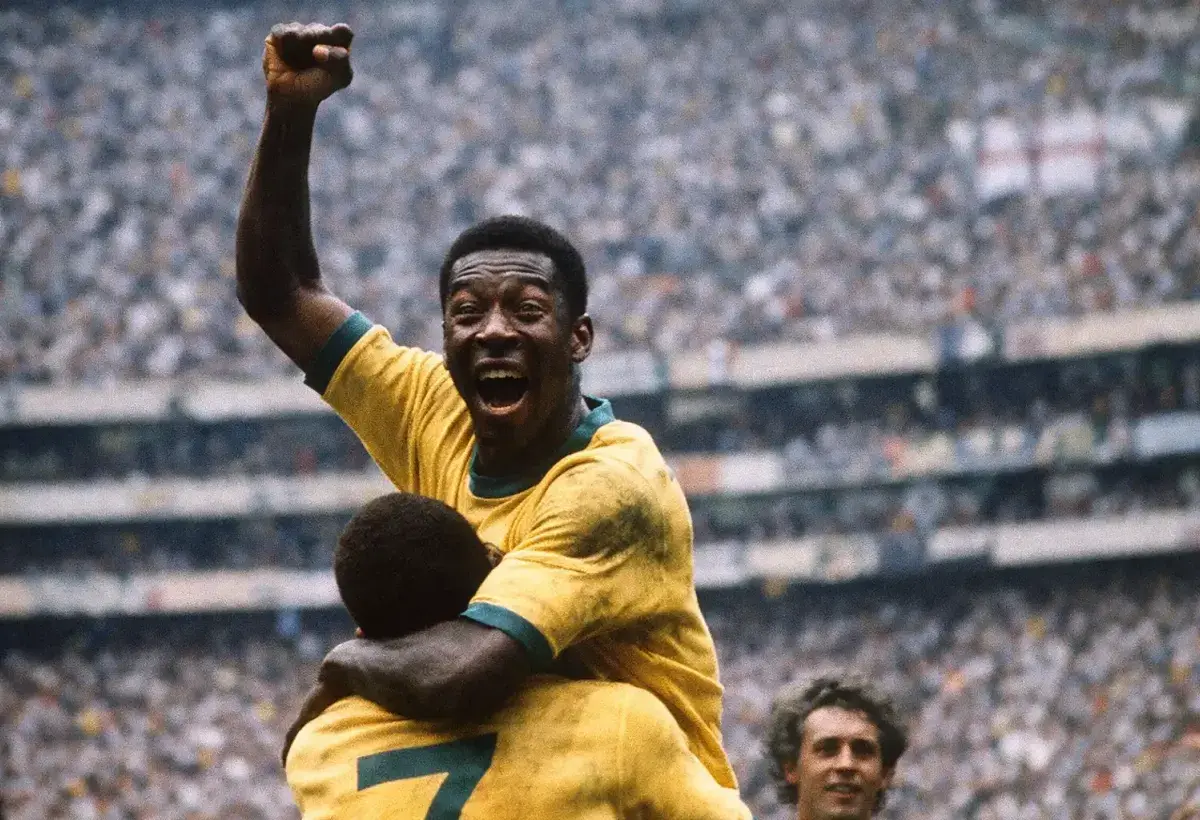
Beyond statistics, Pelé represented the beauty of football itself. His ability to score spectacular goals while maintaining sportsmanship made him admired even by opposing fans. He introduced millions to the excitement of Brazilian football and helped shape the sport’s artistic identity.
Pelé’s influence extended into diplomacy and international relations. During exhibition tours, temporary ceasefires reportedly occurred so people could watch him play. Governments invited him as a goodwill ambassador, recognizing his ability to unite audiences across political divides.
He also helped commercialize global football through endorsements and appearances that expanded the sport’s reach into North America and Asia. His presence contributed significantly to football becoming the most popular sport worldwide.
Pelé remains a universal symbol of positivity in sports history. Even individuals unfamiliar with specific matches recognize his name as synonymous with football greatness. His legacy established the blueprint for modern global athletes who combine talent with international appeal.
4. Cristiano Ronaldo (Football, Portugal)
Cristiano Ronaldo represents the modern era of global sports celebrity shaped by digital media. His career across Manchester United, Real Madrid, Juventus, and international competition allowed him to build recognition across multiple continents. His athletic discipline and physical conditioning became central elements of his identity.
Image
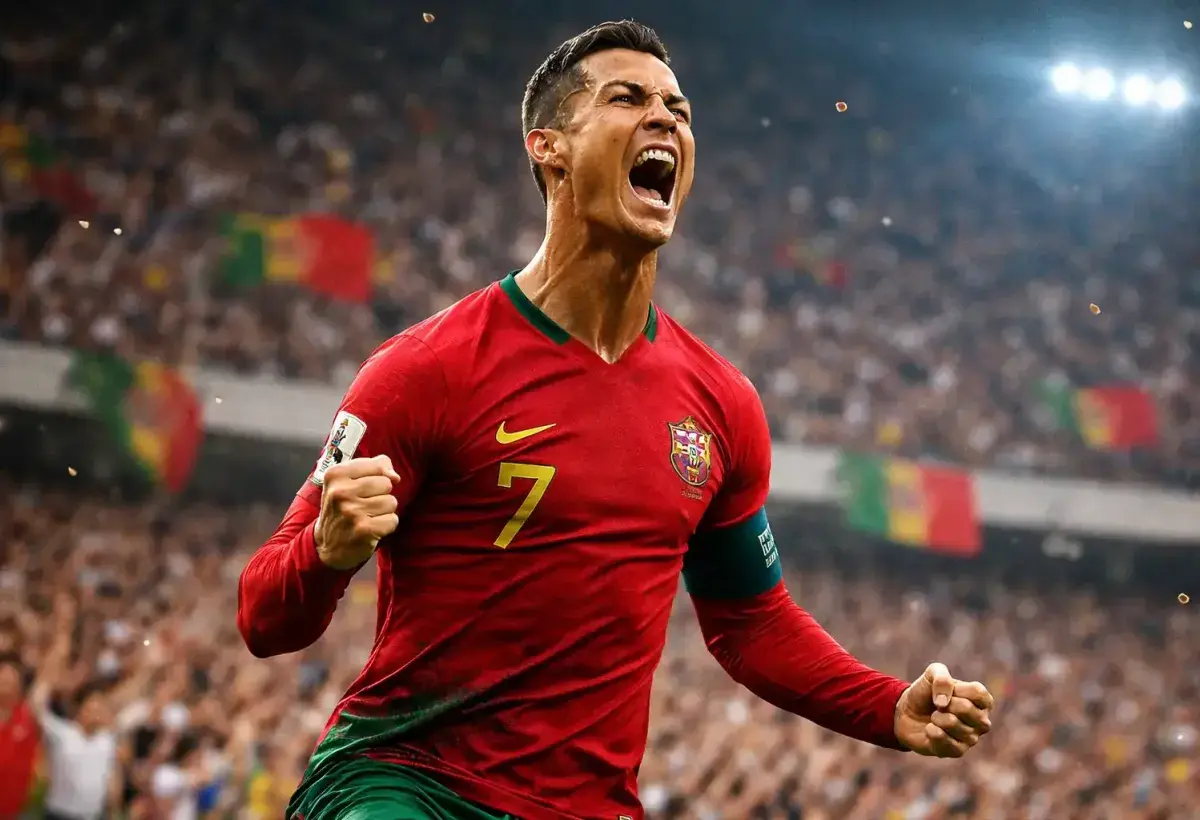
Ronaldo’s worldwide fame is amplified by social media, where he maintains one of the largest followings of any public figure. This direct connection with fans transformed how athletes engage with audiences, turning personal branding into a daily interaction rather than occasional promotion.
On the field, his goal scoring consistency and record breaking achievements reinforced his reputation as one of football’s greatest competitors. His dedication to training inspired younger athletes who view him as an example of relentless self improvement.
Off the field, Ronaldo’s endorsements, fashion ventures, and philanthropy expanded his presence beyond sport. He became a global lifestyle figure whose influence touches fitness culture, fashion, and entrepreneurship.
His recognition illustrates how modern technology allows athletes to maintain continuous global visibility. Ronaldo embodies the evolution of sports fame in the digital age, where performance and personal branding merge into a single worldwide identity.
5. Lionel Messi (Football, Argentina)
Lionel Messi’s global recognition developed through extraordinary talent paired with humility rarely seen at superstar levels. Rising through FC Barcelona’s academy, Messi became known for his balance, vision, and ability to control matches almost effortlessly. His playing style emphasized creativity rather than physical dominance.
Image

Messi’s rivalry with Cristiano Ronaldo defined an entire generation of football, drawing worldwide attention to club and international competitions. Fans debated their greatness endlessly, further increasing both players’ global recognition.
For many supporters, Messi represents authenticity. His quiet personality contrasts with typical celebrity behavior, making his success feel relatable. This humility strengthened emotional connections with fans across cultures.
Winning the 2022 FIFA World Cup solidified his historical legacy. The victory completed a career narrative followed by millions for more than a decade. Images of Messi celebrating with teammates became instantly iconic worldwide.
Messi’s influence demonstrates that global fame does not require loud personality or controversy. Skill, consistency, and emotional storytelling can create universal admiration. His name now stands permanently among the most recognized figures not only in football but in modern sports history.
6. Tiger Woods (Golf, USA)
Tiger Woods transformed golf from a niche elite pastime into mainstream global entertainment. When he emerged in the late 1990s, television ratings surged and younger audiences began paying attention to a sport previously associated with tradition rather than excitement.
Image
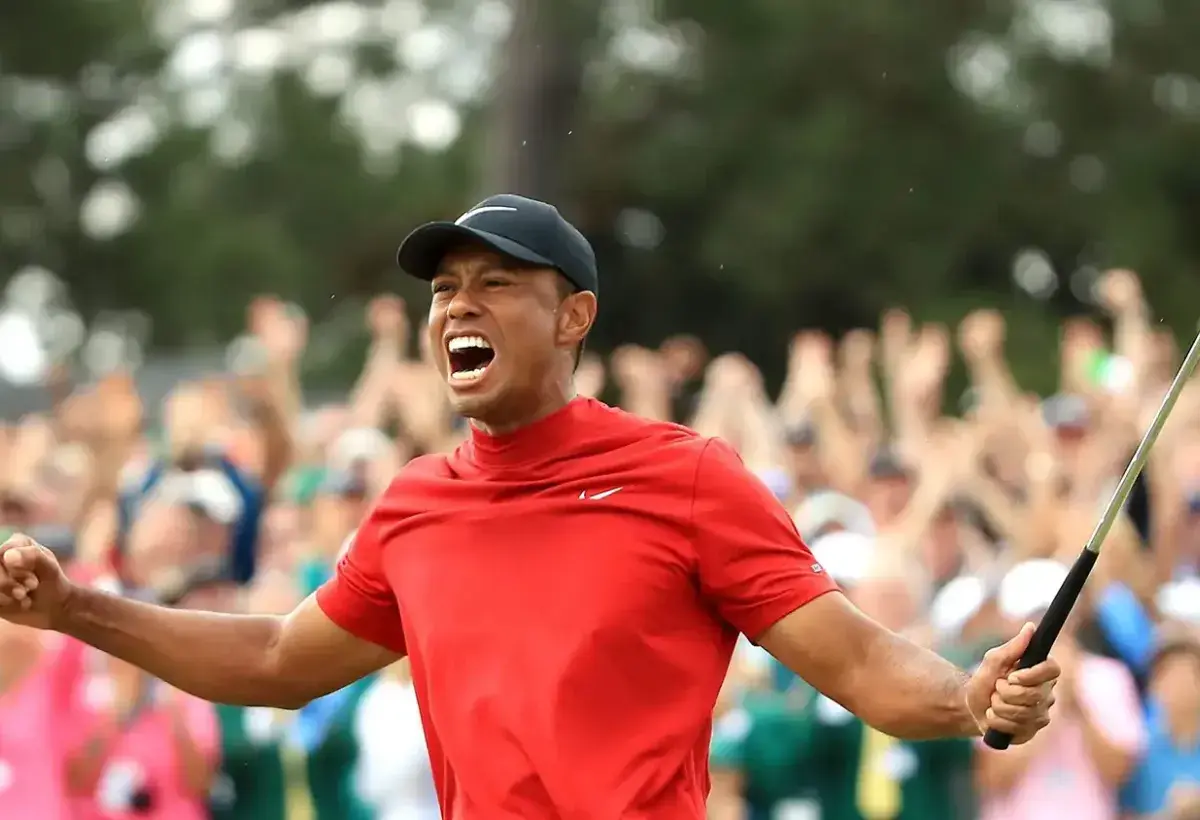
His dominance was unprecedented. Woods won major tournaments with large margins, demonstrating precision and mental focus rarely matched in golf history. Fans tuned in not simply to watch competition but to witness excellence unfolding in real time.
Woods also broke racial barriers within a sport historically lacking diversity. His presence expanded participation and inspired players from different backgrounds to pursue golf professionally. Sponsors recognized his global appeal, leading to endorsement deals that rivaled athletes in more widely followed sports.
Personal controversies later challenged his public image, yet his comeback victory at the 2019 Masters Tournament became one of the most celebrated redemption stories in sports. Millions watched as Woods reclaimed success after injuries and setbacks many believed would end his career.
His journey reflects resilience and reinvention. Woods showed that sports icons can evolve through adversity while maintaining worldwide recognition. His influence permanently changed golf’s audience and commercial landscape.
7. Serena Williams (Tennis, USA)
Serena Williams redefined dominance in modern tennis while becoming a powerful cultural figure beyond athletics. With 23 Grand Slam singles titles, she established one of the greatest careers in sports history. Her strength, athleticism, and competitive intensity changed expectations within women’s tennis.
Image
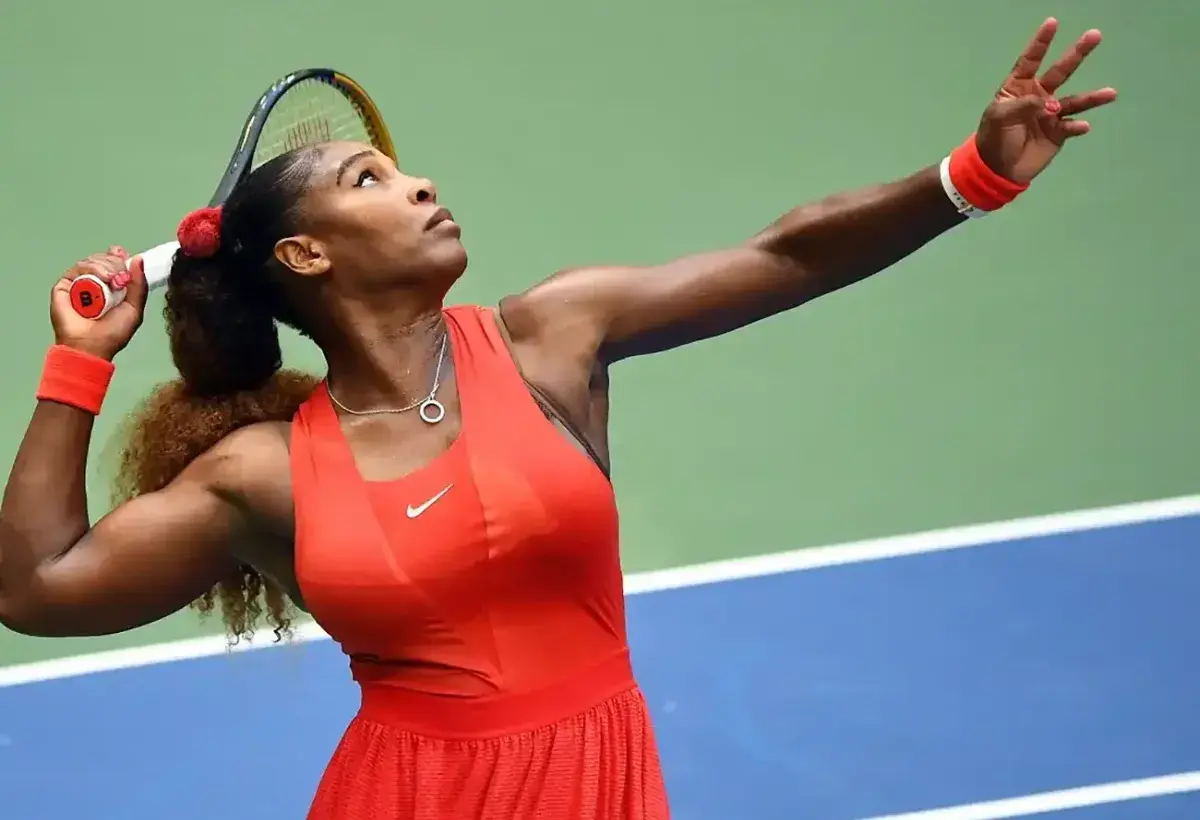
Williams’ recognition extends into discussions about equality, representation, and perseverance. She challenged traditional perceptions of female athletes and inspired conversations about body image, race, and opportunity in professional sports.
Her longevity added to her global appeal. Competing successfully across multiple generations allowed fans worldwide to grow up watching her career evolve. Each comeback reinforced her reputation for determination and resilience.
Off the court, Williams became a businesswoman, fashion influencer, and advocate for maternal health awareness. Her openness about motherhood and returning to competition created powerful narratives that resonated beyond sports audiences.
Serena Williams symbolizes excellence combined with empowerment. Her influence ensures that her legacy will continue shaping sports culture and inspiring future athletes long after retirement.
8. Usain Bolt (Track and Field, Jamaica)
Usain Bolt achieved global recognition by transforming short distance sprinting into one of the most entertaining events in the Olympic Games. His world record performances in the 100 and 200 meters established him as the fastest human ever recorded.
Image
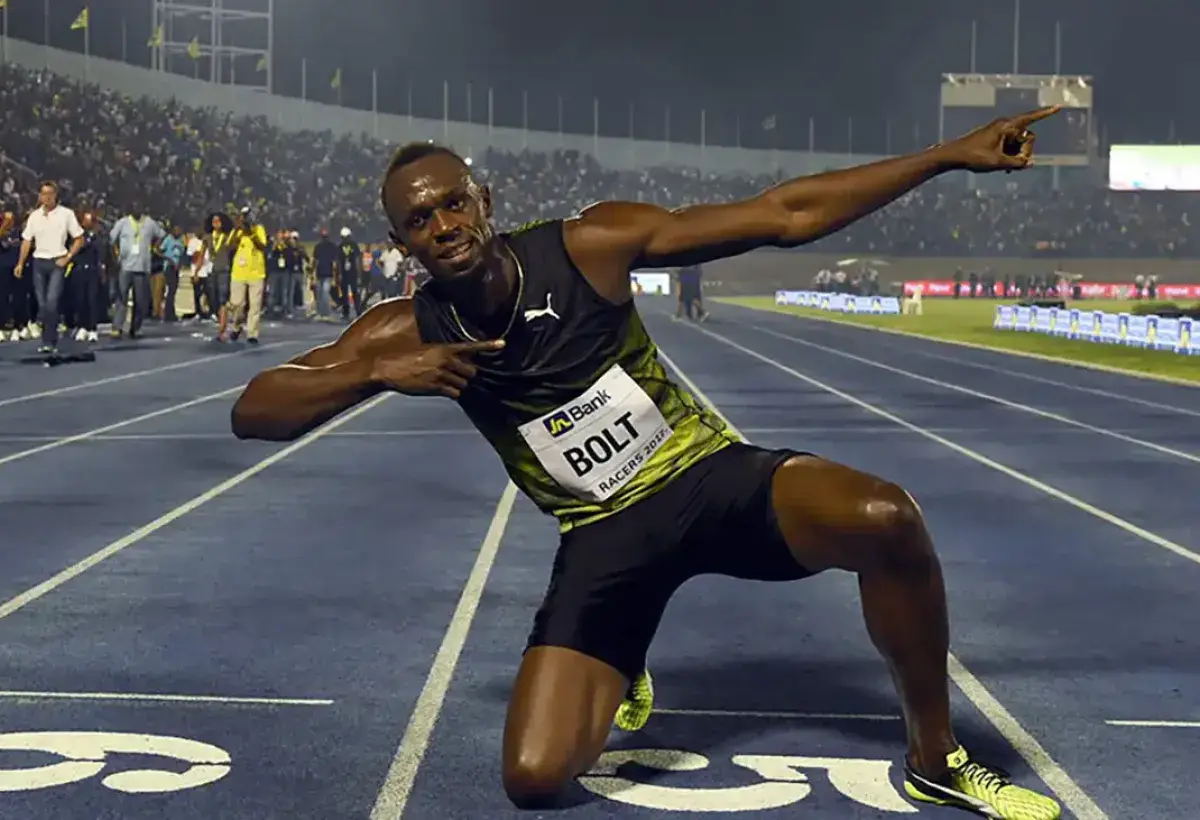
Bolt’s personality distinguished him from many track athletes. His relaxed confidence, humor, and celebratory gestures made races feel like global spectacles rather than brief competitions lasting seconds.
Olympic broadcasts amplified his fame as billions watched him dominate races with apparent ease. His performances united viewers worldwide, creating shared moments of excitement regardless of nationality.
Bolt also elevated Jamaica’s global presence in athletics, inspiring national pride and expanding interest in sprinting programs around the world. Young athletes began dreaming of track careers because of his influence.
His recognition proves that charisma combined with extraordinary achievement can elevate even short duration sports into global entertainment events.
9. Diego Maradona (Football, Argentina)
Diego Maradona remains one of the most complex and recognized figures in sports history. His brilliance on the football field contrasted sharply with controversy off it, creating a legend shaped by both genius and imperfection.
Image

His performance during the 1986 FIFA World Cup stands among the greatest individual tournaments ever played. The famous Hand of God goal and his extraordinary solo run against England became defining moments that are still discussed decades later.
Maradona’s connection with fans was intensely emotional, particularly in Argentina and Naples, where supporters viewed him as a symbol of pride and identity. His success represented triumph for communities that felt overlooked or underestimated.
Despite personal struggles, his authenticity strengthened his mythic status. Fans saw him as human rather than distant, which deepened loyalty and fascination.
Maradona’s legacy demonstrates how cultural impact can transcend perfection. His story continues to inspire debate, admiration, and storytelling worldwide.
10. Babe Ruth (Baseball, USA)
Babe Ruth became the first true sports celebrity of the modern media age. Playing during the early twentieth century, he helped transform baseball into America’s national pastime and established the model for athlete fame long before television existed.
Image

Ruth’s powerful hitting revolutionized how baseball was played and watched. Home runs became the sport’s most exciting feature, attracting new fans and increasing stadium attendance dramatically.
His larger than life personality fascinated newspapers and radio audiences. Stories about his lifestyle, humor, and charisma turned him into a household name across the United States and beyond.
Ruth’s commercial appeal demonstrated that athletes could influence advertising and entertainment industries. He appeared in endorsements and public events that blurred the line between sports and celebrity culture.
Even generations removed from his playing career recognize his name as synonymous with baseball greatness. Ruth’s influence laid the foundation for every global sports icon who followed.
Sports icons endure because they represent more than victories recorded in statistics books. They become shared cultural references that connect people across geography, language, and time. The athletes in this list emerged from different eras and disciplines, yet each achieved a level of recognition that transcends competition itself. Their stories reveal how sport mirrors society, reflecting struggles, aspirations, and moments of collective celebration.
One common thread among these figures is storytelling. Fans remember defining moments not simply for athletic achievement but for emotional impact. A knockout punch, a championship shot, a record breaking sprint, or a historic comeback becomes part of global memory. These moments allow audiences to feel connected to something larger than everyday life.
Technology continues to change how fame develops, yet the essence of recognition remains unchanged. Authentic performance combined with personality and cultural significance creates lasting influence. Early icons relied on newspapers and radio, later legends thrived through television, and modern stars engage audiences instantly through digital platforms. Despite these differences, genuine greatness continues to resonate universally.
These ten athletes also demonstrate that influence extends beyond sport. They shaped conversations about equality, identity, perseverance, and ambition. Some inspired social change, others redefined business and branding, and many united fans during moments of global attention.
As new generations of athletes rise, comparisons will inevitably emerge. Records will be broken and new technologies will amplify visibility. Still, the legends listed here occupy a unique place in history because they helped define what global sports fame means. Their recognition endures not only because of what they achieved but because of how they made people feel.