


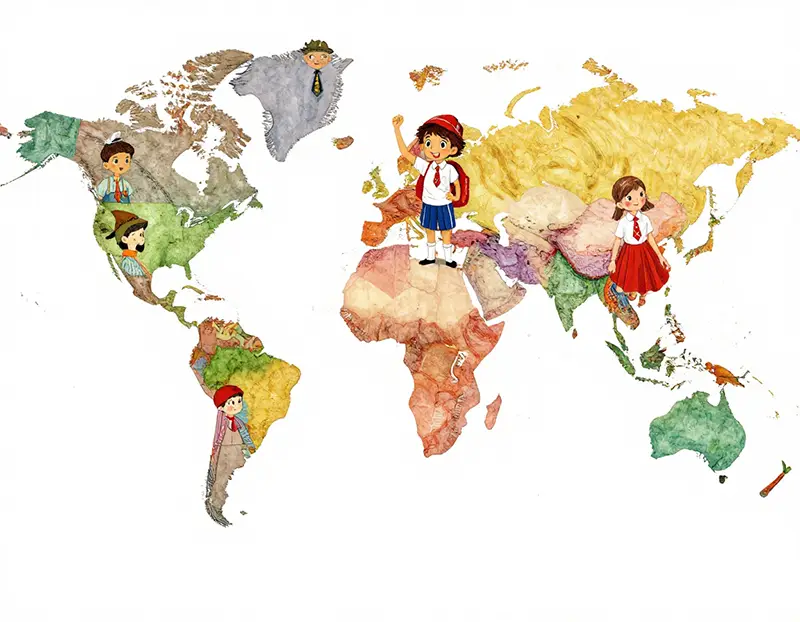
School rules exist to create structure, safety, and fairness, but around the world some rules go far beyond what most students expect. While many classrooms focus on basic guidelines such as attendance, uniforms, and respectful behavior, other schools introduce policies that can feel surprising, confusing, or even unbelievable to outsiders. These rules are often shaped by cultural traditions, social values, historical beliefs, or attempts to manage behavior in large student populations. What seems strange in one country may feel completely normal in another, depending on how education systems and cultural expectations have developed over time.
In many cases, these unusual school rules are not meant to punish students but to promote discipline, equality, or emotional wellbeing. Some are designed to reduce distractions, while others aim to prevent bullying or social pressure. A few stem from deeply rooted cultural norms that influence how children are expected to behave, dress, or express themselves in public spaces. Even when the rules appear strict, they often reflect broader societal values about respect, harmony, and personal responsibility.
As education becomes more global and students increasingly learn about other cultures through the internet and media, curiosity about how schools operate in different countries continues to grow. These lesser known school rules offer a fascinating window into daily life for students around the world. They also remind us that education is not just about textbooks and exams but about shaping behavior, identity, and social interaction.
Below are ten real school rules from different countries that many people find surprising. Some may sound fun, others frustrating, and a few might make you grateful for your own school experience. As you read through them, imagine yourself navigating these classrooms and consider how easily you would adapt to a completely different set of expectations.
Image
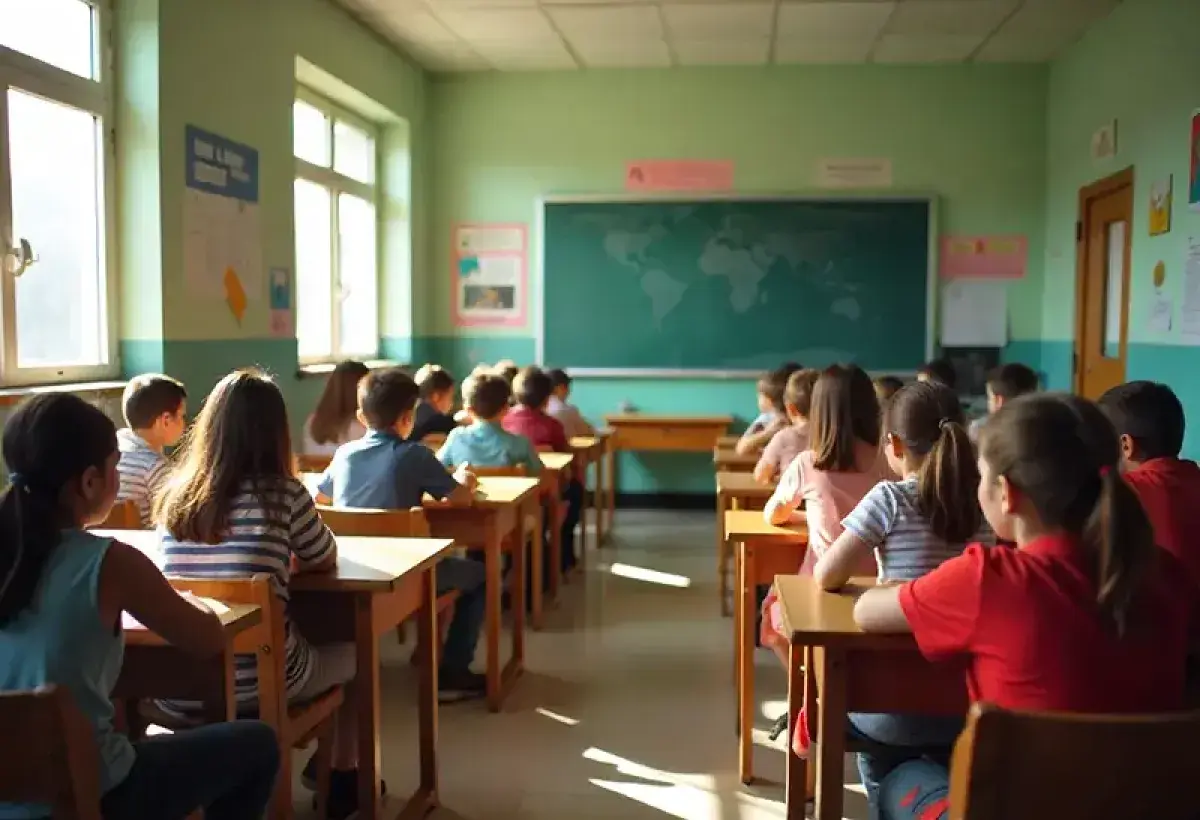
1. No Ponytails Allowed China
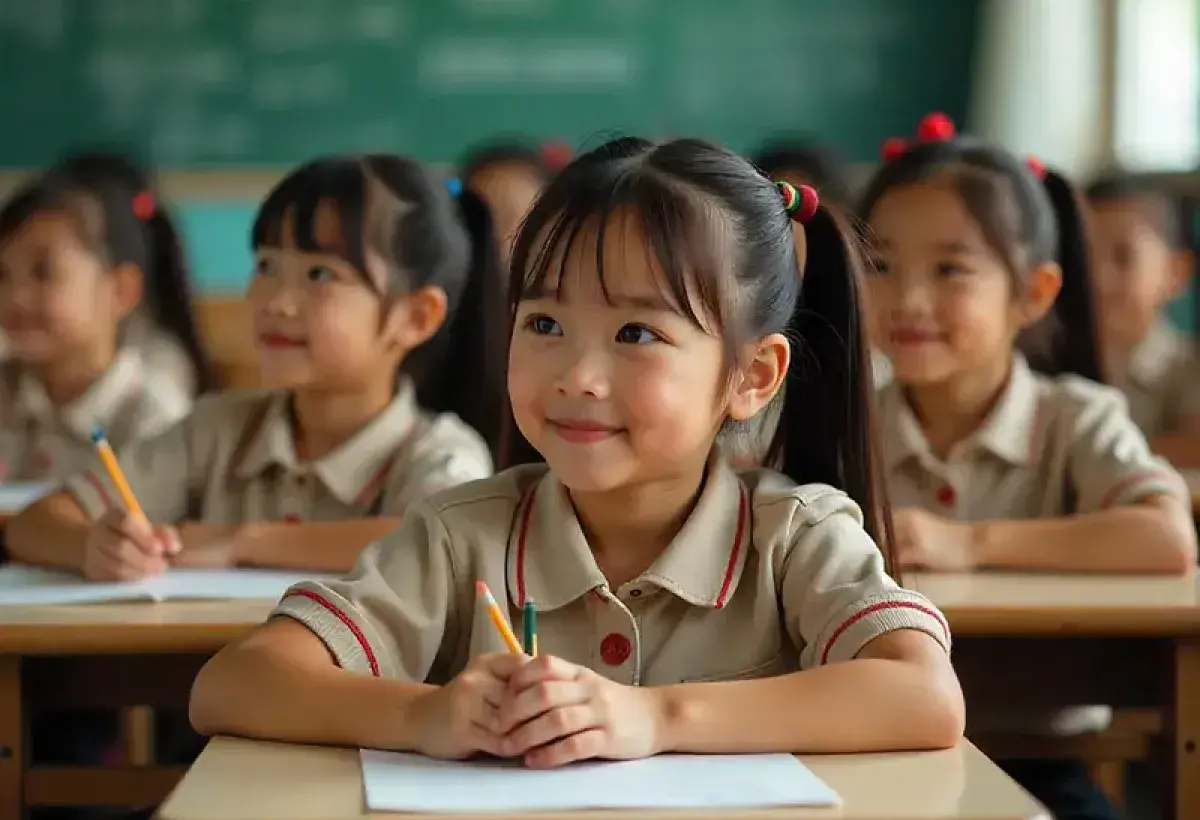
In some Chinese schools, students are prohibited from wearing ponytails, especially high ones. This rule often applies more strictly to female students and is justified by administrators as a way to reduce distractions in the classroom. School officials have argued that certain hairstyles draw unnecessary attention and disrupt the learning environment, making it harder for students to concentrate on their studies.
Another explanation sometimes given is health related. Some schools claim that tight ponytails can cause neck strain or headaches, especially during long hours of sitting and studying. While medical opinions on this vary, the rule has remained in place in certain regions as part of broader grooming standards. Hair is often required to be tied low, braided, or cut short to maintain a uniform appearance.
Uniformity is a major theme in many Chinese schools. Dress codes and grooming rules are intended to minimize visible differences between students and encourage a collective mindset. By limiting personal expression through hairstyles, schools aim to place greater emphasis on academic achievement and discipline rather than appearance.
For students, however, the rule can feel restrictive, particularly for those who see hair as a form of self expression. While some schools have relaxed these policies in recent years, others continue to enforce them strictly. The debate over ponytails highlights the ongoing tension between individuality and conformity in education systems that prioritize order and performance.
Image
2. No Red Ink Australia
In several Australian schools, teachers are discouraged or outright forbidden from using red ink when grading student work. Red pen markings have long been associated with criticism, mistakes, and negative feedback. Educational researchers and school administrators argue that this color can feel aggressive or discouraging to students, particularly younger ones.
The concern is that seeing red marks all over a paper may increase anxiety and reduce confidence, even if the feedback itself is constructive. By switching to colors like green, purple, or blue, teachers aim to create a more supportive and encouraging learning environment. These alternative colors are believed to soften the emotional impact of corrections and make feedback feel less judgmental.
This rule reflects a broader shift in education toward positive reinforcement and emotional awareness. Schools are increasingly focused on student wellbeing and mental health, recognizing that how feedback is delivered can significantly affect motivation and self esteem. The choice of ink color may seem minor, but it plays a role in shaping how students perceive their performance.
While not all Australian schools enforce this rule, it has gained popularity in progressive education settings. Students often report feeling less stressed when receiving feedback in non red ink, suggesting that small changes can make a meaningful difference in the classroom experience.
Image

3. No Homework Finland
Finland is widely admired for its education system, and one of its most surprising features is the limited amount of homework assigned to students. In many Finnish schools, homework is minimal or sometimes nonexistent, especially for younger students. Instead of focusing on after school assignments, the system emphasizes learning during school hours.
Finnish educators believe that children need time to rest, play, and spend time with family to develop properly. Long school days followed by heavy homework loads are seen as counterproductive. By reducing homework, schools aim to prevent burnout and allow students to maintain a healthy balance between academic and personal life.
Despite fewer assignments, Finnish students consistently perform well in international assessments. This success is often attributed to well trained teachers, smaller class sizes, and a strong focus on understanding rather than memorization. Lessons are designed to be efficient and engaging so that most learning happens in the classroom.
For students from homework heavy systems, this rule sounds like a dream. However, it requires a high level of trust in teachers and students alike. The Finnish approach challenges the idea that more work automatically leads to better results and shows that quality education can thrive without constant homework.
Image
4. No Winking Nigeria
In some Nigerian schools, winking at another student is considered inappropriate behavior and may lead to disciplinary action. Winking can be interpreted as disrespectful, flirtatious, or suggestive depending on the context. To maintain proper conduct and prevent misunderstandings, schools enforce strict rules around gestures and body language.
These policies are rooted in cultural norms that value modesty and respectful interaction, particularly between students of different genders. Administrators aim to create an environment focused on learning rather than social distractions. By limiting certain gestures, schools attempt to reduce gossip, conflict, and perceived impropriety.
Students are expected to communicate respectfully and avoid actions that could be misinterpreted. Even playful gestures that might be harmless elsewhere can be taken seriously in these settings. Teachers often emphasize proper posture, eye contact, and formal interaction as part of character education.
While the rule may seem strict, it reflects a broader emphasis on discipline and moral behavior in schools. Understanding the cultural context helps explain why such a small gesture can carry significant consequences in the classroom.
Image
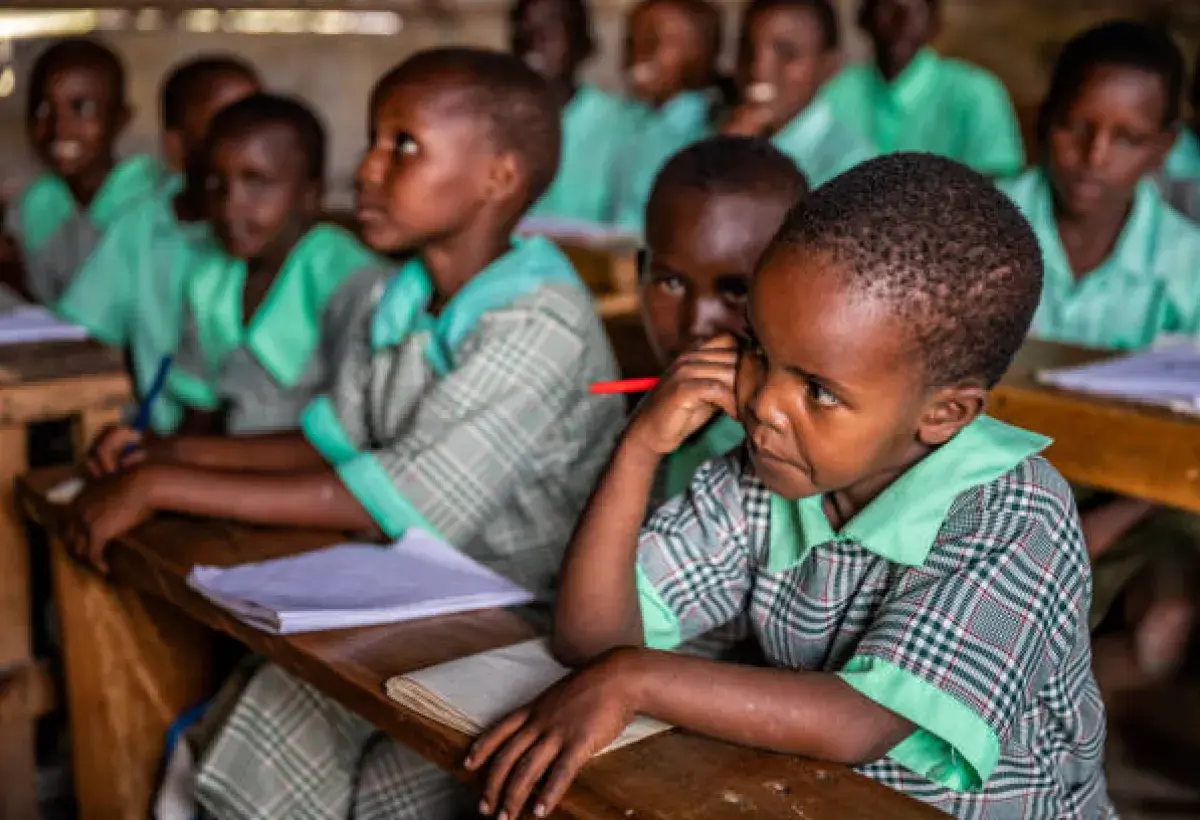
5. No White Socks Japan
Japanese schools are known for their detailed uniform policies, and in some cases these rules extend even to the color of socks. Certain schools prohibit white socks, requiring students to wear specific shades such as navy or black. This level of detail reflects the importance placed on uniformity and order.
Administrators believe that strict dress codes reduce social pressure and competition among students. By standardizing even small details, schools aim to eliminate distractions related to fashion and appearance. White socks may be seen as too casual or visually disruptive when paired with traditional uniforms.
Students typically receive clear guidelines on acceptable clothing, and violations can result in warnings or penalties. While some students find the rules excessive, others appreciate the clarity and structure they provide. Over time, wearing the correct uniform becomes a normal part of daily routine.
This rule highlights how Japanese schools emphasize discipline and collective identity. The focus is less on individual expression and more on belonging to the group, which is a core value in Japanese society.
Image
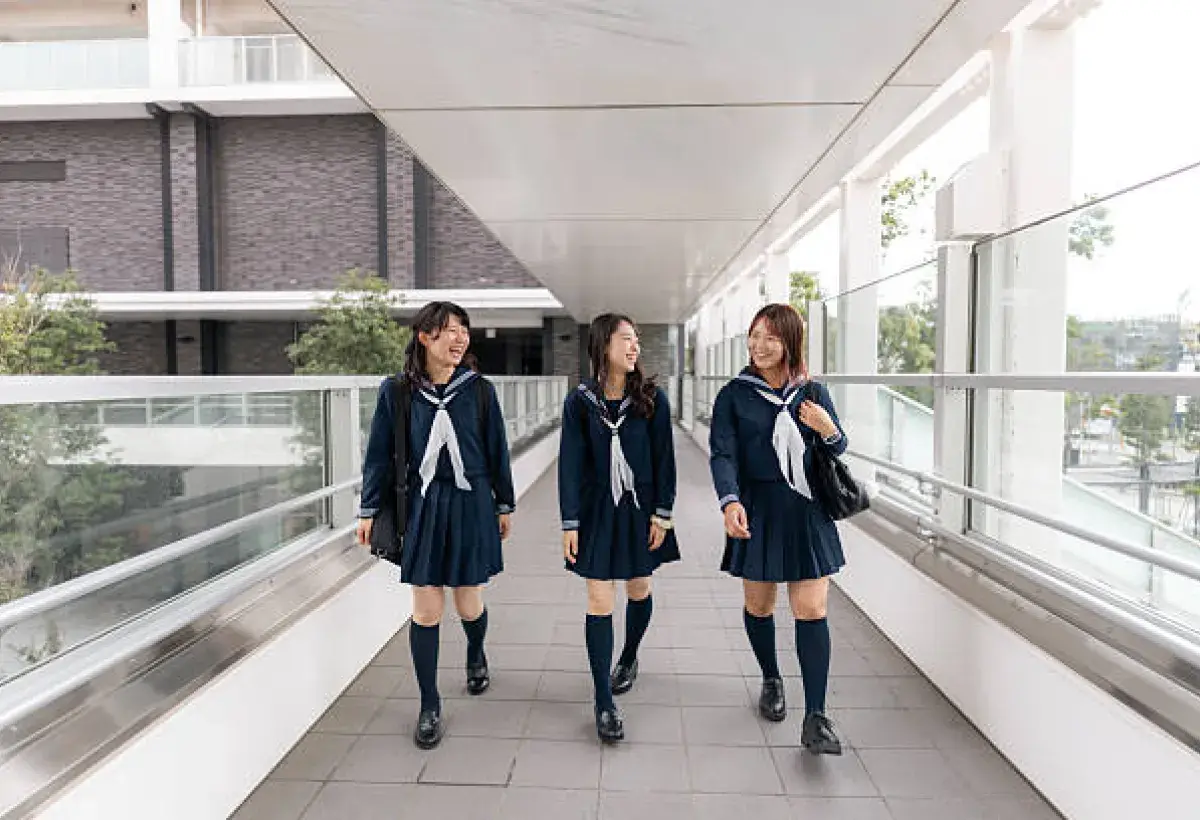
6. No Valentines United States
In some elementary schools in the United States, Valentine celebrations are banned or heavily restricted. Administrators introduce these rules to prevent feelings of exclusion, jealousy, or emotional distress among students. Not receiving a card or gift can be upsetting for young children.
By eliminating Valentines Day exchanges, schools aim to create an inclusive environment where no student feels left out. Teachers often replace traditional celebrations with general kindness activities or classroom wide events that involve everyone equally.
Parents and educators have mixed opinions about this policy. Some support it as a way to protect children from unnecessary social pressure. Others feel it removes a harmless tradition that teaches generosity and friendship.
The rule reflects growing awareness of emotional wellbeing in schools. While controversial, it shows how educators attempt to balance celebration with sensitivity to student feelings.
Image
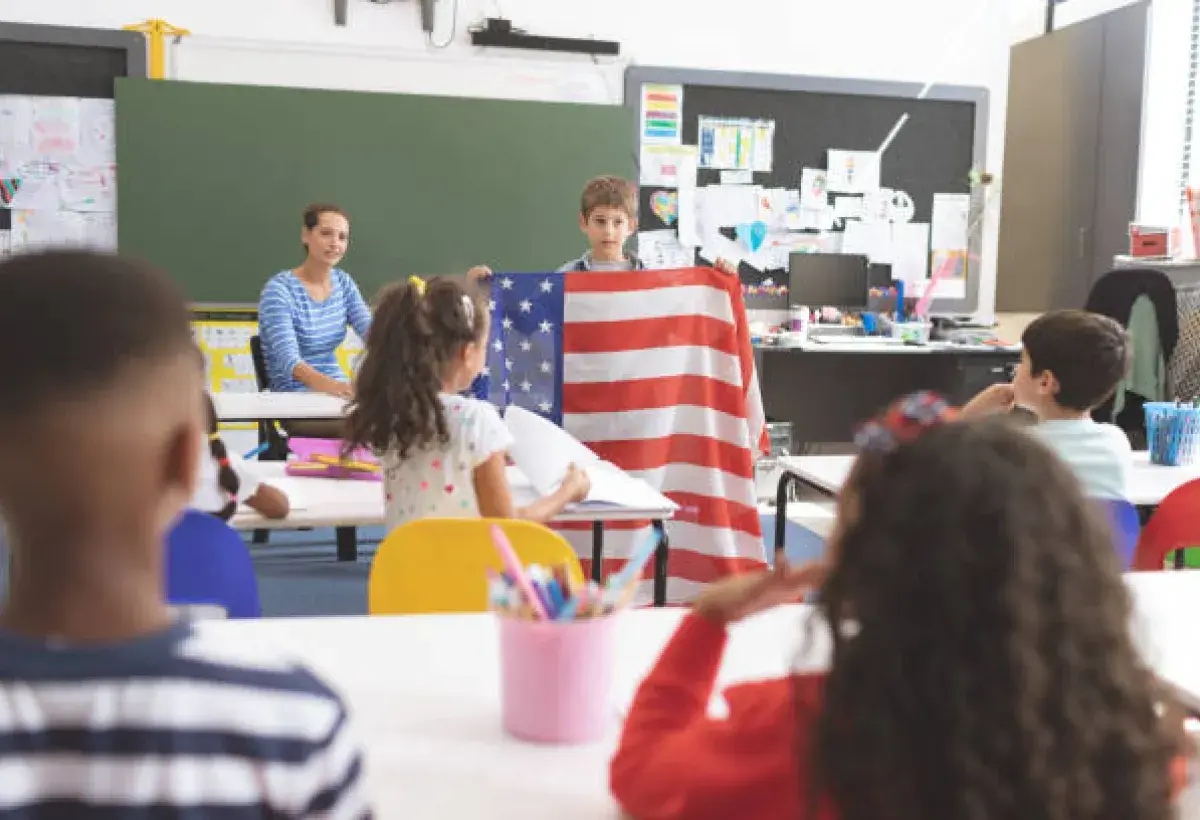
7. No Left Handed Writing India traditional
In some traditional Indian schools, students are discouraged from writing with their left hand. This belief stems from long standing cultural associations that view the left hand as unclean. Although modern education is changing these views, the practice still exists in certain areas.
Children who naturally prefer their left hand may be encouraged to switch to their right hand. Teachers may believe this promotes discipline or aligns with cultural norms. However, research shows that forcing a change can be stressful and affect learning.
Many Indian schools have moved away from this rule as awareness grows. Educational reforms emphasize inclusivity and respect for individual differences. Left handed students are increasingly accepted and supported.
This rule illustrates how cultural traditions can influence classroom practices. It also highlights the importance of adapting education to modern understanding of child development.
Image
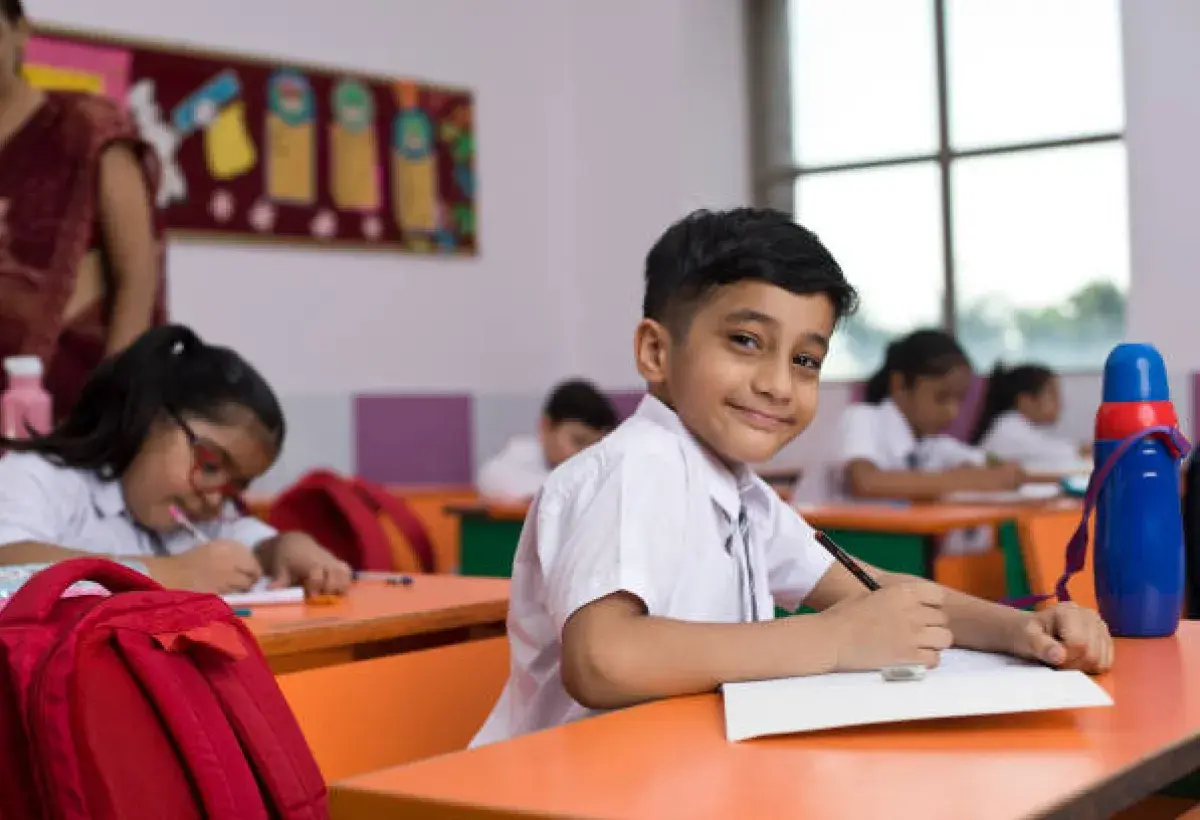
8. No Hugging or High Fives United Kingdom
Some schools in the United Kingdom ban physical contact such as hugging or high fives. The goal is to maintain clear boundaries and ensure student safety. Administrators want to prevent misunderstandings, bullying, or inappropriate behavior.
These rules apply to interactions between students and sometimes between teachers and students. Schools encourage verbal praise and non physical gestures instead. The focus is on personal space and mutual respect.
Critics argue that positive physical gestures can support emotional development. Supporters believe the rules protect both students and staff. The policy reflects a cautious approach to safeguarding in educational settings.
Understanding this rule requires considering the emphasis on child protection and accountability. Schools aim to create a safe environment even if it feels strict.
Image

9. Must Wear Indoor Shoes South Korea
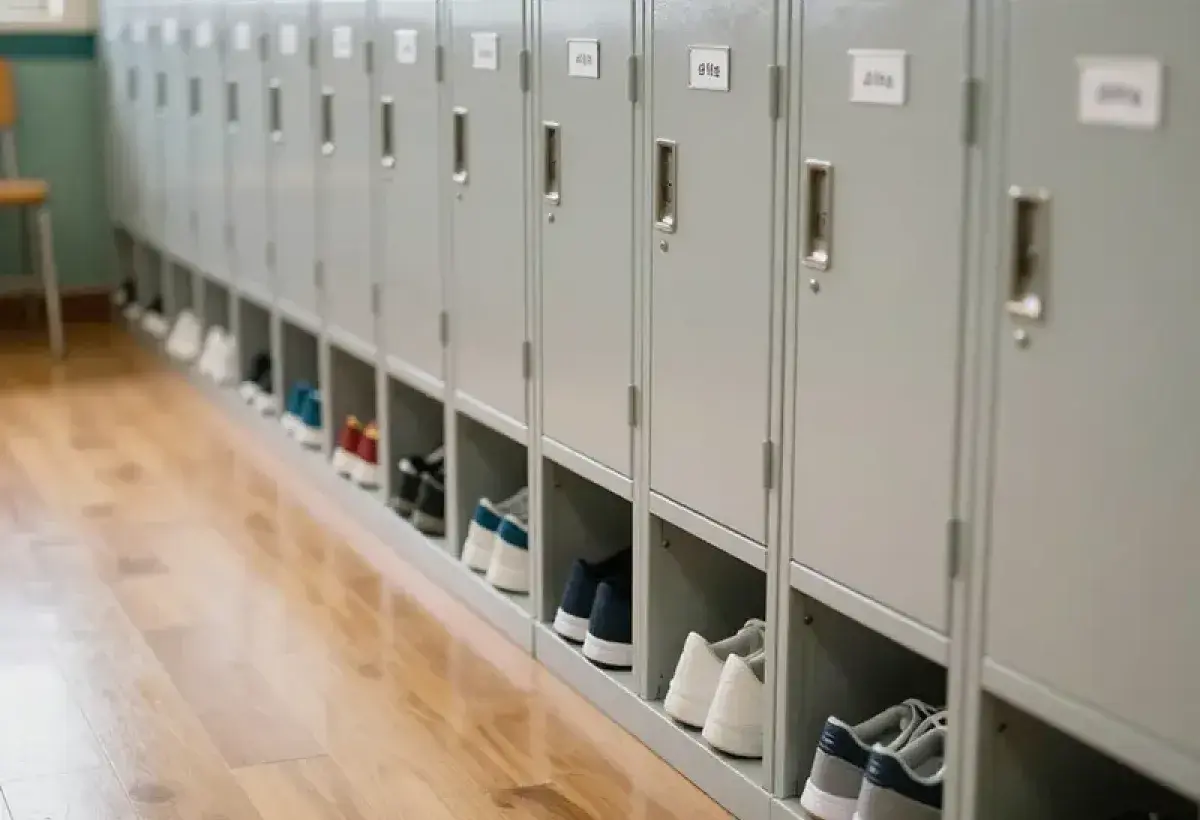
In South Korean schools, students are required to change into indoor shoes upon entering the building. Outdoor shoes are left at the entrance to keep classrooms clean. This practice reflects a cultural emphasis on cleanliness and respect for shared spaces.
The indoor shoes are often uniform in style and provided by families. Students quickly adapt to the routine, switching shoes becomes a normal part of the school day. Clean floors are especially important in schools where students may sit on the ground.
This rule also teaches responsibility and organization. Students must remember to bring and care for their indoor shoes. The practice mirrors customs followed in many Korean homes.
While unusual to outsiders, the rule supports hygiene and order. It demonstrates how cultural values extend into education.
Image
10. Must Smile at All Times Thailand
In Thailand, students are often encouraged to smile as part of demonstrating respect and good character. Smiling is deeply rooted in Thai culture and is associated with politeness, harmony, and emotional control.
In schools, maintaining a pleasant expression is seen as a sign of discipline and positivity. Even during stressful situations, students are taught to remain calm and composed. Teachers may correct students who appear visibly upset or angry.
This expectation can be challenging, especially during exams or disciplinary moments. However, it reflects a cultural belief in managing emotions for the greater good. Smiling is viewed as a way to maintain social balance.
The rule highlights how emotional expression varies across cultures. What feels natural in one place may feel demanding in another.
Image
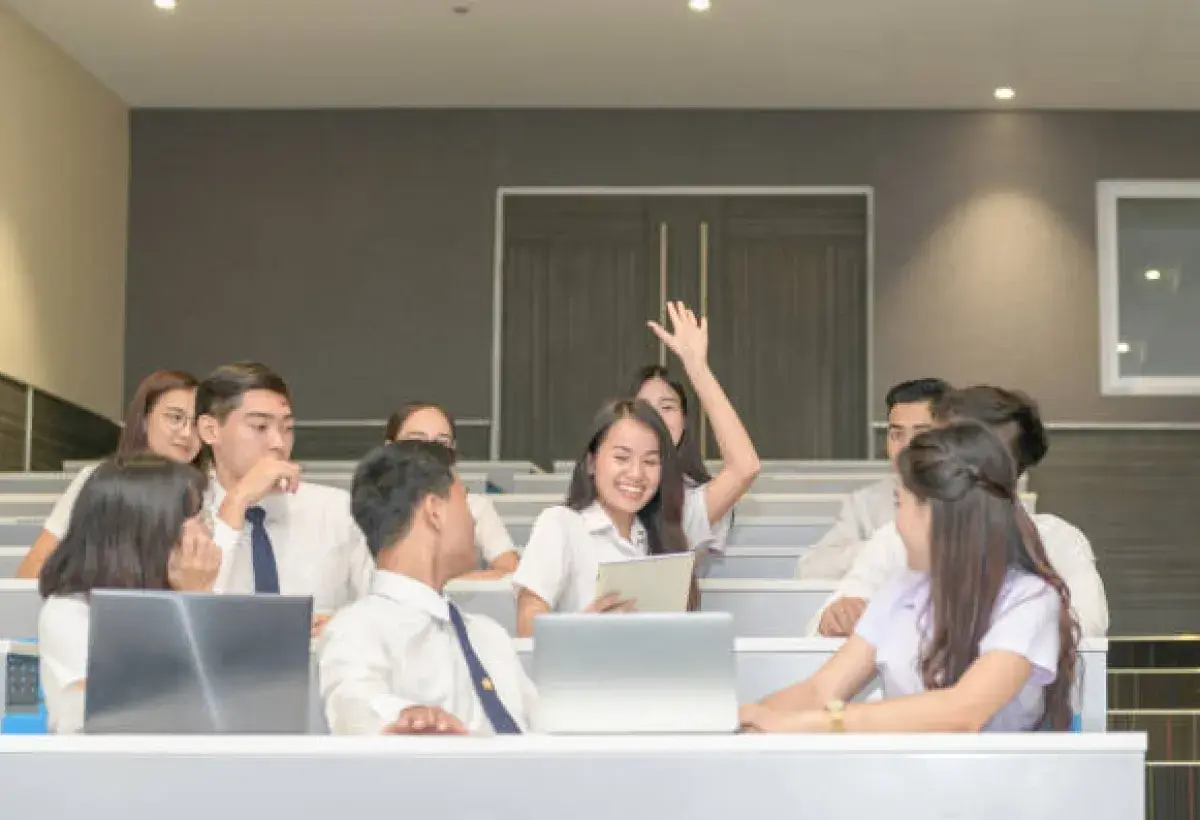
Strange school rules often reveal more about culture than about education itself. What may seem unusual or strict to outsiders usually has deep roots in tradition, social values, or practical concerns. These rules shape daily student life and influence how children learn discipline, respect, and cooperation.
As the world becomes more connected, understanding these differences helps foster cultural awareness and empathy. Education systems are not one size fits all. Each reflects the priorities and beliefs of the society it serves.
While some of these rules may sound extreme, they remind us that schooling is about more than academics. It is also about preparing students to function within their cultural context. Whether through uniforms, gestures, or classroom behavior, schools play a powerful role in shaping future generations.
Exploring these unusual rules offers a fresh perspective on how diverse the global education experience truly is. It also encourages us to reflect on our own school systems and the rules we often take for granted.