


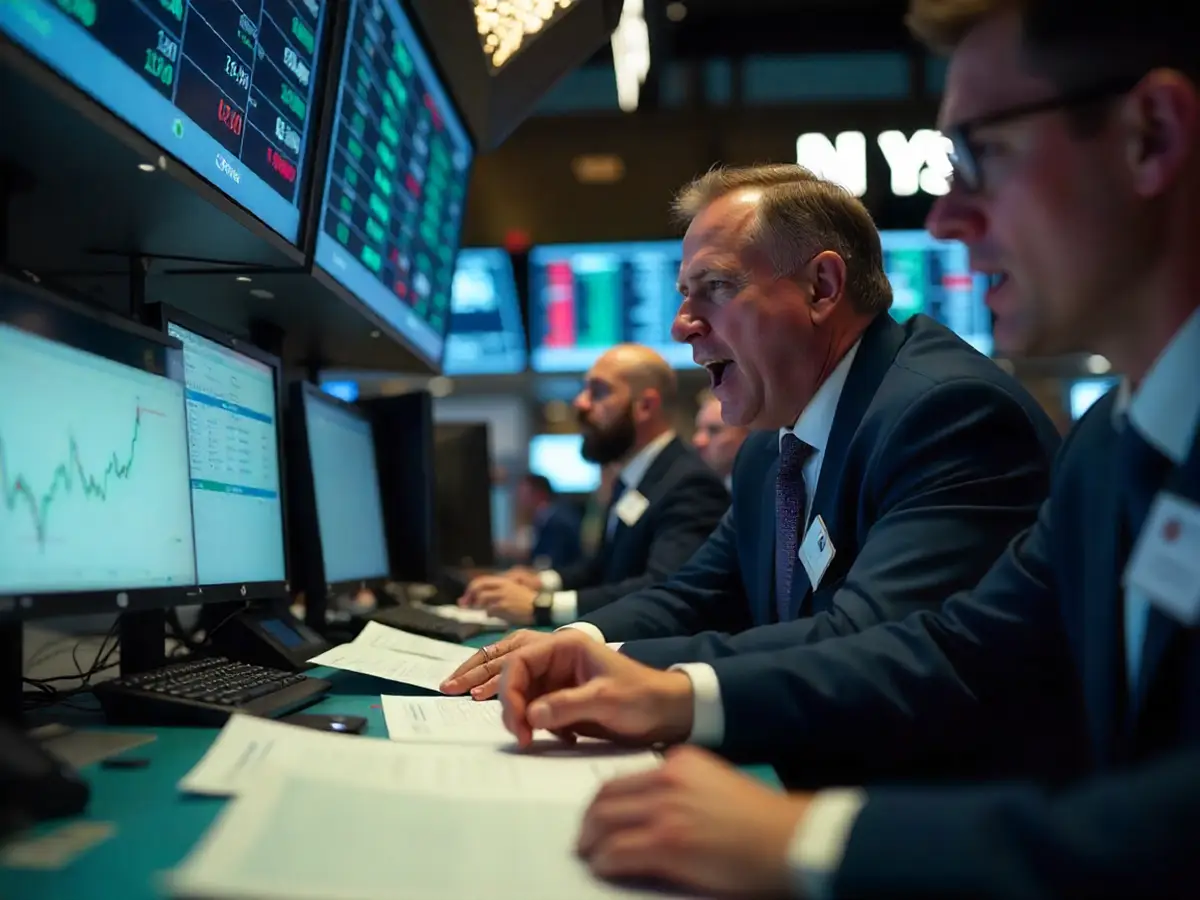
Movies about Wall Street and the world of high finance have always captivated audiences because they offer a rare glimpse into a universe that is often glamorous, ruthless, and completely alien to everyday life. These films allow viewers to step inside towering skyscrapers, trading floors, and luxury offices where decisions worth millions or even billions are made in the blink of an eye. What makes these movies fascinating is not only the thrill of financial gain but also the complex moral questions that come with power, greed, and ambition. Many of these stories are rooted in true events, revealing the dramatic consequences when human ambition collides with economic systems that are fragile and unpredictable. Others are entirely fictional but still manage to capture the chaos and seduction of the financial world.
The appeal of Wall Street films goes beyond simple storytelling because they explore characters who are simultaneously brilliant and morally flawed. These movies show the tension between risk and reward, ethics and success, and loyalty and betrayal. The setting itself becomes a character, from the bright, buzzing trading floors to the stark, silent boardrooms where life-altering decisions are made. Audiences are drawn to the energy, the suspense, and the insight into how financial markets operate, even if the real world is often more complicated than what is portrayed on screen.
Whether you are a finance professional, an aspiring entrepreneur, or simply someone who enjoys intense drama, Wall Street movies provide entertainment and education. They shine a light on human nature, the desire for wealth, and the consequences of unbridled ambition. The following films capture the excitement, risk, and moral complexity of high finance. Each movie is distinctive, offering a unique perspective on the financial world and the personalities that inhabit it. These films are not only memorable for their stories but also for their performances, direction, and ability to make complex financial concepts accessible and engaging to all viewers.
1. Wall Street (1987)
Director: Oliver Stone
Why Watch:
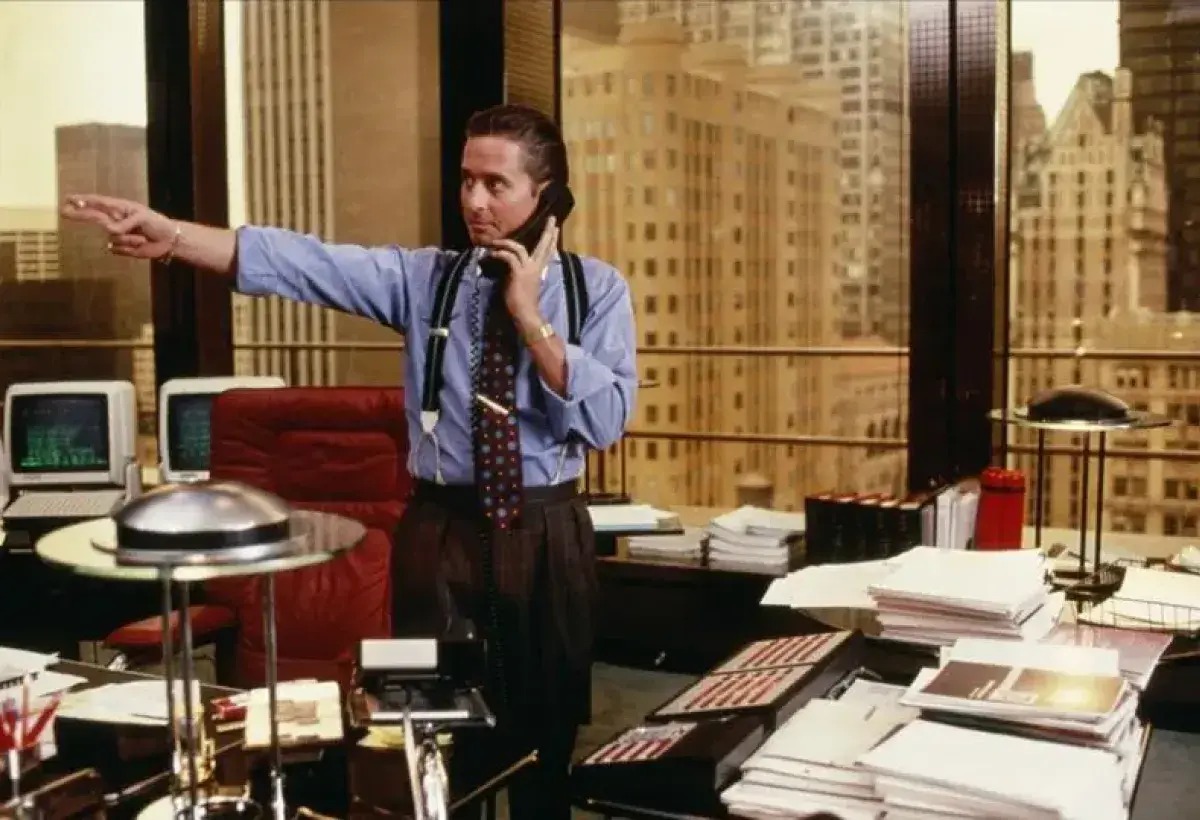
Wall Street is the definitive financial movie that has become a cultural touchstone for anyone interested in corporate ambition and the moral compromises that come with it. Michael Douglas delivers an unforgettable performance as Gordon Gekko, a ruthless corporate raider whose mantra "Greed is good" has resonated for decades. The film explores the world of mergers, acquisitions, and insider trading, showing how young and ambitious brokers are seduced by the promise of wealth and power. Charlie Sheen plays Bud Fox, a junior stockbroker eager to climb the ladder, who quickly learns that ethical boundaries are often blurred when millions of dollars are at stake.
The movie brilliantly captures the atmosphere of 1980s Wall Street, from bustling trading floors to high-powered boardrooms. Oliver Stone’s direction emphasizes the intensity and energy of a world driven by numbers, risk, and ambition. The film also examines the consequences of prioritizing personal gain over integrity, making it both a thrilling drama and a cautionary tale. Its characters are multi-dimensional, and the tension between right and wrong creates a story that remains relevant even decades after its release.
Image
2. The Wolf of Wall Street (2013)
Director: Martin Scorsese
Why Watch:
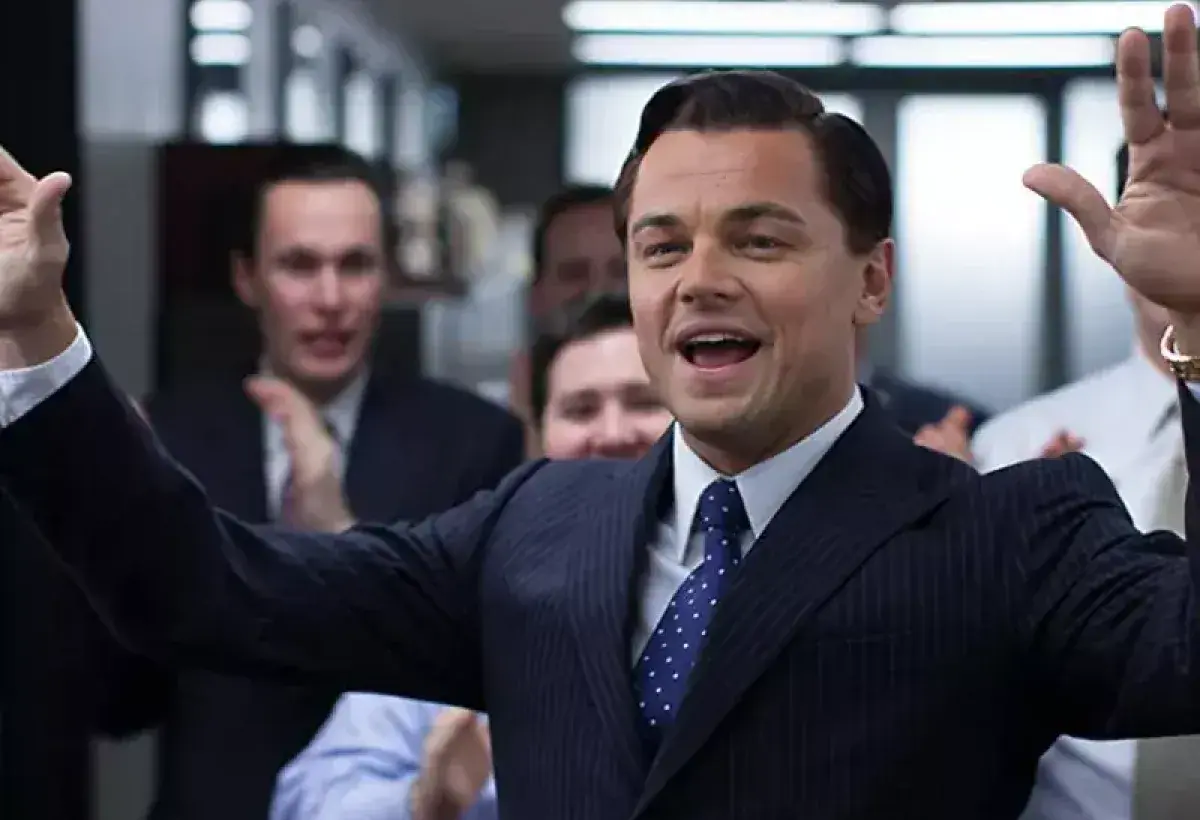
The Wolf of Wall Street is a wild and audacious depiction of the rise and fall of Jordan Belfort, a stockbroker whose insatiable desire for wealth leads him down a path of excess, crime, and corruption. Leonardo DiCaprio delivers a career-defining performance as Belfort, combining charisma, cunning, and outrageous behavior in equal measure. The film is a frenetic ride through the highs and lows of stock market manipulation, penny stocks, and illegal schemes that reward greed and punish morality.
Scorsese’s direction captures the chaos of Belfort’s life, from lavish parties to high-stakes financial deals. The movie is not just about money; it is a study of human behavior and ambition, showing how far people are willing to go to achieve power and success. The humor and energy make it entertaining while still providing insight into financial crime. The story balances extreme comedy with moments of sobering reality, reminding viewers that unchecked ambition can have devastating consequences.
Image
3. Margin Call (2011)
Director: J.C. Chandor
Why Watch:
Margin Call offers a gripping and tense portrayal of the 2008 financial crisis, focusing on a single 24-hour period at a collapsing investment bank. The film examines how executives, traders, and analysts respond when faced with financial disaster, highlighting the human and moral decisions behind market failures. The ensemble cast, including Kevin Spacey, Paul Bettany, and Jeremy Irons, delivers performances that are understated yet powerful, emphasizing the quiet desperation of individuals trapped in a system they barely control.
Unlike other high finance films that rely on action and spectacle, Margin Call thrives on dialogue, strategy, and suspense. It explores the mechanics of financial risk, ethical dilemmas, and the pressure of making split-second decisions that could affect thousands of lives. The movie is both educational and emotionally impactful, offering a realistic look at the challenges and consequences of working in high-stakes finance. Margin Call is a reminder that behind every economic headline are real people making impossible choices under extreme pressure.
Image

4. The Big Short (2015)
Director: Adam McKay
Why Watch:
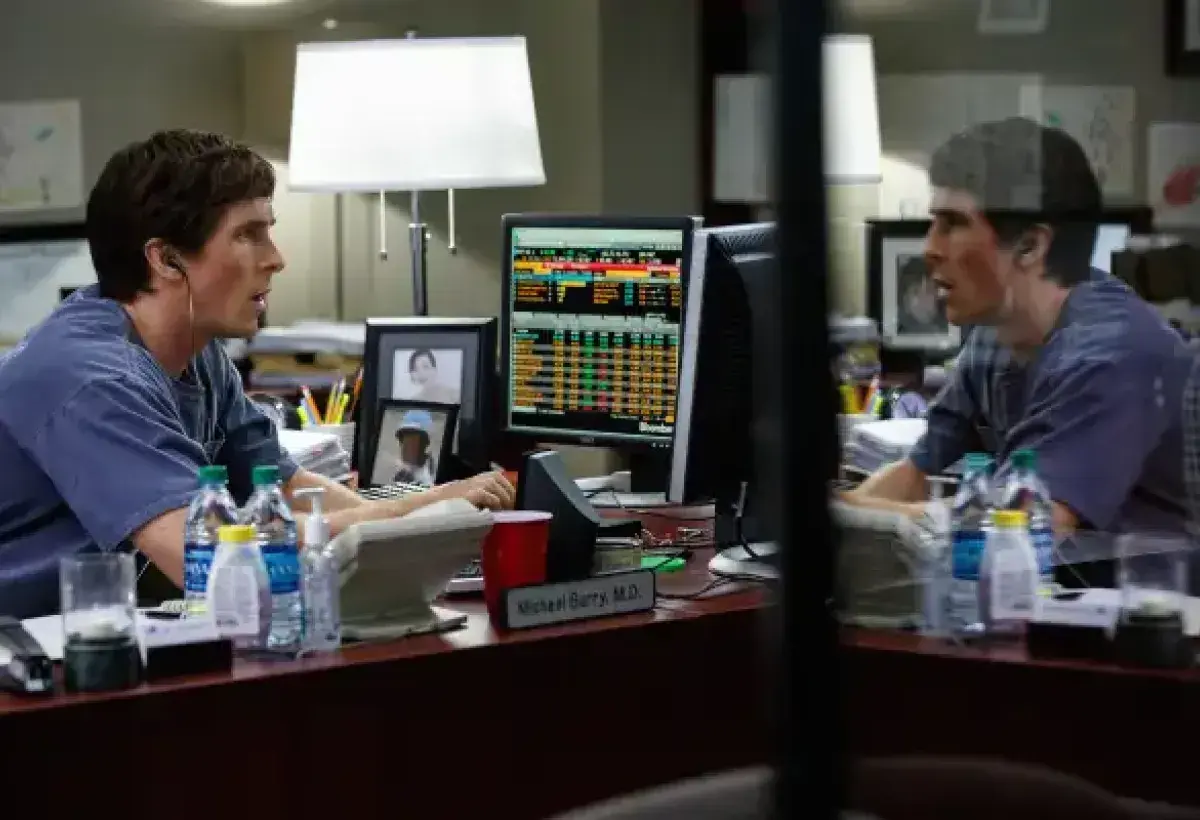
The Big Short brings clarity and humor to the complex events leading to the 2008 financial crisis. Based on Michael Lewis’s bestselling book, the film tells the story of a few outsiders who predicted the housing market collapse and profited by betting against the system. Christian Bale, Steve Carell, Ryan Gosling, and Brad Pitt form a dynamic ensemble, each portraying different strategies, personalities, and ethical conflicts in the high stakes world of finance.
Adam McKay uses innovative storytelling techniques, breaking the fourth wall and providing engaging explanations of complicated financial concepts. This approach makes the movie both entertaining and informative, appealing to both casual viewers and finance enthusiasts. The Big Short highlights the irresponsibility, greed, and lack of oversight that contributed to one of the most significant economic collapses in recent history. The film is both funny and infuriating, combining sharp performances, clever writing, and a moral message that resonates long after the credits roll.
Image
5. Boiler Room (2000)
Director: Ben Younger
Why Watch:
Boiler Room is an intense exploration of the shady side of brokerage firms and pump-and-dump schemes. Giovanni Ribisi stars as Seth Davis, a young man who runs a small-time casino operation while dreaming of legitimate success. He lands a job at a high-pressure brokerage firm where brokers sell worthless stocks to unsuspecting clients. The film explores the seductive nature of wealth, the moral compromises individuals make to achieve it, and the consequences of unethical business practices.
Vin Diesel delivers a compelling performance as a mentor figure who embodies both the charisma and danger of a world obsessed with money. The story highlights the psychology of persuasion, greed, and ambition, showing how ordinary people can become complicit in illegal activities for the promise of wealth and status. Boiler Room captures the tension and energy of high-pressure sales environments while delivering a cautionary tale about integrity, ambition, and personal responsibility in a world where success often comes at a moral cost.
Image

6. Inside Job (2010)
Director: Charles Ferguson
Why Watch:
Inside Job is a meticulously researched documentary that examines the causes and consequences of the 2008 financial crisis. It provides an in-depth look at the complex systems, financial instruments, and regulatory failures that led to the global meltdown. Narrated with clarity and authority, the film presents interviews with economists, politicians, and financial insiders, exposing corruption, conflicts of interest, and the human cost of unchecked greed.
The documentary earned an Academy Award for Best Documentary Feature, reflecting its compelling storytelling and rigorous analysis. Inside Job educates viewers about systemic risks, moral hazard, and the interconnected nature of global finance. It is both sobering and illuminating, making a complex topic accessible without sacrificing depth. The film challenges viewers to consider the accountability of individuals and institutions, highlighting the ethical dimensions of finance and the importance of transparency and regulation in preventing future crises.
Image

7. American Psycho (2000)
Director: Mary Harron
Why Watch:
American Psycho is not strictly a financial movie but offers a dark and satirical look at Wall Street culture in the 1980s. Christian Bale plays Patrick Bateman, a wealthy investment banker whose obsession with status, wealth, and appearances hides a violent and psychopathic nature. The film examines the shallow, materialistic culture of Manhattan finance, where personal success and image are valued above morality and humanity.
The movie blends horror, black comedy, and social commentary, providing a unique perspective on the consequences of greed and narcissism. American Psycho critiques the emptiness and excess of financial elites while offering a chilling performance that remains iconic in cinematic history. The film encourages viewers to reflect on the moral vacuity that can accompany unchecked ambition and the dangers of valuing wealth above all else.
Image

8. Trading Places (1983)
Director: John Landis
Why Watch:
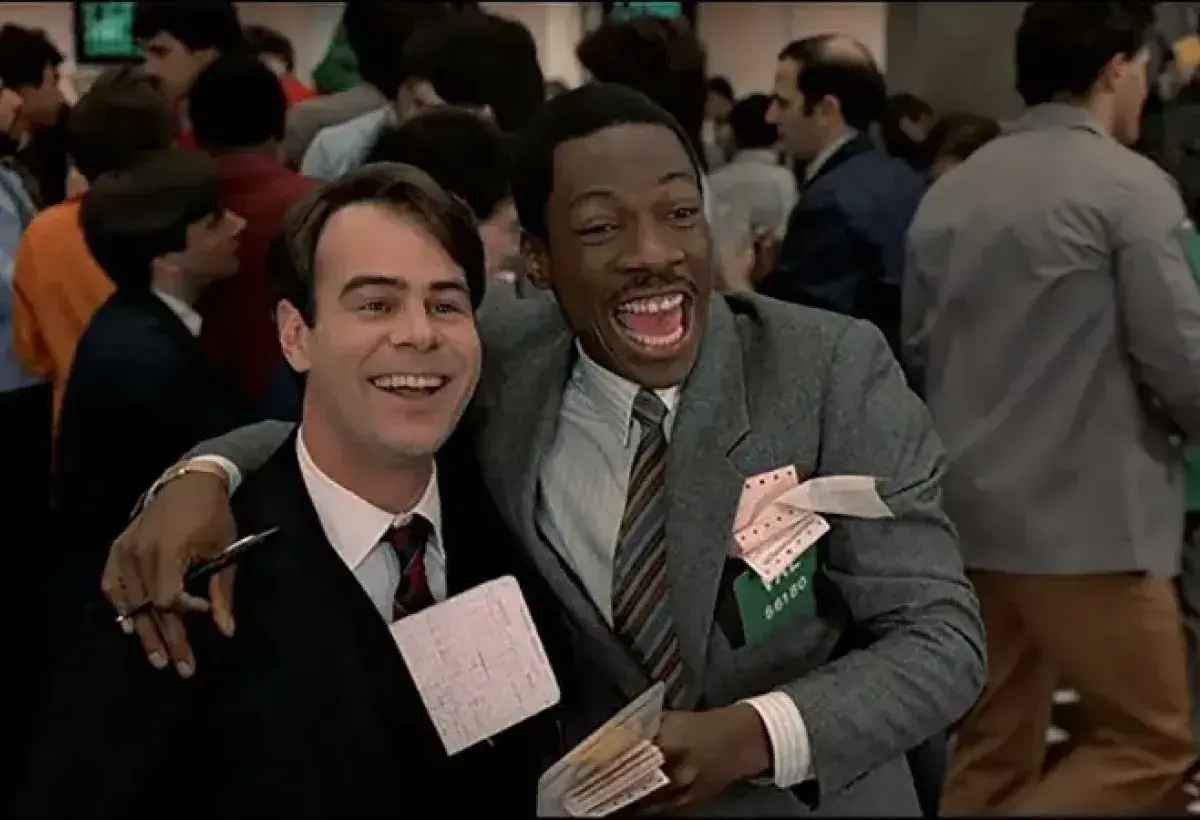
Trading Places is a sharp, witty comedy that explores social class, financial literacy, and human behavior in the context of high finance. The story follows a wealthy commodities broker and a streetwise con artist who swap lives as part of a bet, leading to hilarious and enlightening consequences. Eddie Murphy and Dan Aykroyd shine in their roles, providing humor while subtly critiquing societal attitudes toward wealth and opportunity.
The movie cleverly addresses themes such as market manipulation, insider trading, and the unpredictability of human behavior. Despite its comedic tone, Trading Places delivers insightful commentary on the artificial nature of privilege and the impact of environment on success. It remains a timeless and entertaining take on Wall Street, offering laughs while encouraging viewers to think critically about finance, social inequality, and ethical responsibility in business.
Image
9. Rogue Trader (1999)
Director: James Dearden
Why Watch:
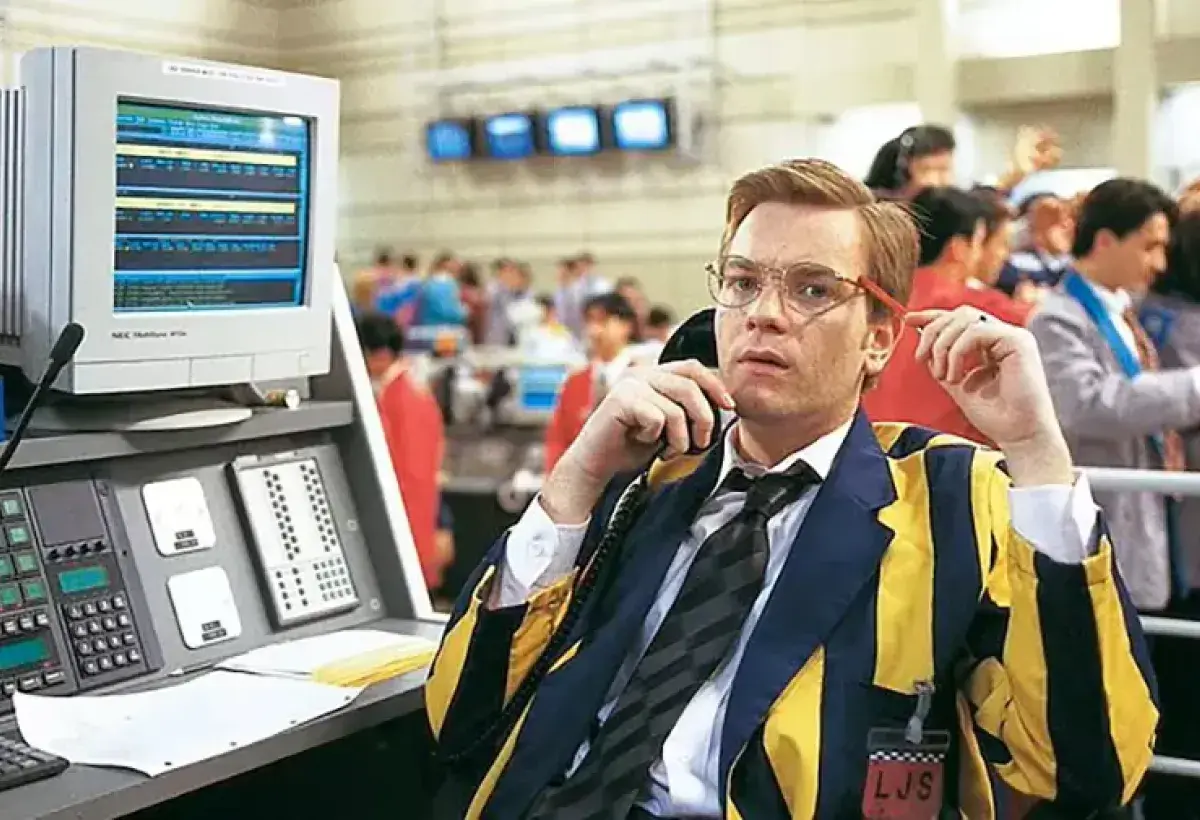
Rogue Trader tells the story of Nick Leeson, a trader whose unauthorized speculative trades led to the collapse of Barings Bank. Ewan McGregor portrays Leeson with intensity and nuance, showing how ambition, pressure, and lack of oversight can have catastrophic consequences in finance. The film is a thrilling account of high-risk trading, human error, and systemic failure.
Rogue Trader examines both personal and institutional responsibility, emphasizing the dangers of unchecked power in financial markets. The story highlights how secrecy, hubris, and ambition can converge to create disaster. The movie delivers suspense, drama, and insight into the human side of financial catastrophes, making it a compelling watch for those interested in the realities behind headline-making economic events.
Image
10. Too Big to Fail (2011)
Director: Curtis Hanson
Why Watch:
Too Big to Fail offers an inside look at the 2008 financial crisis from the perspective of government officials and corporate executives. The film dramatizes the high-stakes negotiations, bailout decisions, and moral dilemmas faced by those trying to stabilize the economy. William Hurt, Paul Giamatti, and other talented actors bring depth to their roles, capturing the tension, pressure, and ethical complexities of crisis management.
The movie provides an educational and engaging exploration of financial risk, systemic importance, and public accountability. It highlights the human and institutional dynamics behind decisions that impact millions, illustrating the interconnectedness of finance, government, and society. Too Big to Fail is a gripping story of crisis management, moral responsibility, and the fine line between survival and collapse in the financial world.
Image

Wall Street and high finance movies offer more than just entertainment. They reveal the human ambitions, moral conflicts, and systemic risks that define the financial world. From intense dramas and cautionary tales to sharp comedies and insightful documentaries, these films provide audiences with a window into a universe that is often inaccessible yet highly influential in everyday life. They explore the consequences of greed, ambition, and risk-taking, showing how personal choices can impact entire economies.
The characters in these movies are often compelling because they reflect real human traits such as desire, fear, and the pursuit of success. Whether it is Gordon Gekko’s ruthless philosophy, Jordan Belfort’s excessive lifestyle, or Nick Leeson’s tragic downfall, each story resonates with viewers on an emotional level while also offering lessons about ethics, responsibility, and the consequences of unchecked ambition. These films also make complex financial concepts understandable, blending education with entertainment.
By exploring these stories, audiences gain a better understanding of the challenges, pressures, and excitement inherent in the financial world. The thrill of high stakes, the drama of human ambition, and the sobering consequences of poor decisions are captured in ways that are both captivating and instructive. For anyone curious about money, power, and the intricacies of finance, this list provides an essential guide to the top films that explore the Wall Street universe in all its complexity, intensity, and allure.