


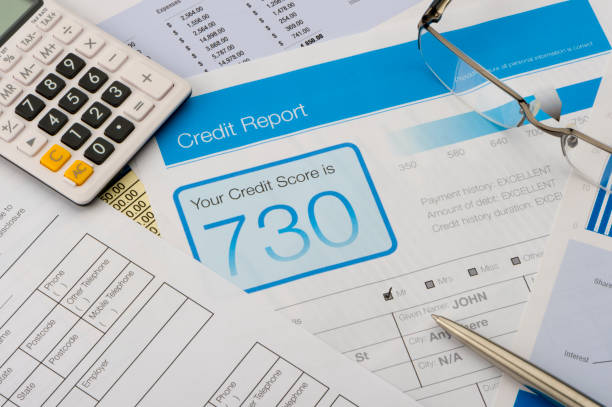
The United States relies heavily on credit based transactions. Cars, homes, education, and even basic emergencies often require financing. Lenders want proof that the borrower can be trusted to repay what they owe. That is where the credit score becomes essential. It acts as a quick summary of past financial behavior.
The score tells lenders if you pay on time, how much debt you carry, how long you have managed credit, and how responsible you are with your accounts. Instead of investigating every detail manually, lenders use the score as an instant gauge of risk. A higher score indicates reliability. A lower score signals potential problems.
This is why score based decisions happen quickly. The number acts as a shorthand version of your financial story.
1. Scores Shape the Cost of Borrowing in a Big Way
Credit scores do not just decide if you receive credit. They also determine what you will pay for it. In America, interest rates vary widely based on credit scores. A person with a high score can secure a car loan with a low rate that makes monthly payments affordable. A person with a poor score often pays much more for the same vehicle.
The same rule applies to home loans. Mortgage rates in the United States are heavily influenced by credit. Over the lifespan of a mortgage, the difference between a high score and a average score can add up to tens of thousands of dollars.
This creates a feedback loop. People with strong scores pay less. People with weak scores pay more. The financial gap grows over time. This is one reason why Americans place such importance on keeping a good score.
2. Renting a Apartment Often Requires a Good Credit Score
Many people outside the United States are surprised to learn that landlords check credit routinely. Housing is one of the most competitive markets in America, and property owners want renters who will pay on time.
A low score might cause your application to be denied. Even if the owner accepts it, you may still be asked for a higher deposit. Some landlords also charge higher rent for applicants with poor credit because they see them as a higher risk.
This is why young adults in the US learn early that credit matters. It influences where you can live and how easily you can secure housing.
3. Utility Companies Also Use Credit to Decide Deposits
Electric, water, and internet companies in the United States often check credit during account setup. If your score is strong, your deposit may be waived entirely. If your score is low, you may have to pay a larger deposit before services can begin.
This adds even more weight to the score because basic utilities are essential. Good credit can literally reduce the cost of setting up a home.
4. Car Insurance Rates Can Rise or Fall Based on Credit
It surprises many US residents when they learn that insurance companies also review credit scores. They do not use the same score that lenders use, but they use credit based insurance scoring. This helps them predict which customers are more likely to file claims.
People with better credit usually receive lower insurance premiums. People with weaker credit often pay significantly more. Over the course of a year, this difference can be substantial, especially for families with multiple vehicles.
This is yet another reason why credit matters so much. Even people who never borrow money feel the effects.
5. Some Employers Consider Credit History During Hiring
In certain sectors, especially finance, government, and positions involving access to sensitive materials, employers look at credit history. They do this to determine how responsible a person is with money and whether there may be financial pressure that could influence decision making.
Credit checks are not used for every job, but they do appear in many professional fields. For Americans seeking career advancement, maintaining a clean credit history can help avoid unnecessary barriers.
6. Credit Scores Reflect Financial Stability and Responsibility
Credit scores in the United States are not only about debt. They reflect stability. Lenders admire patterns such as long term account management, low credit utilization, consistent payment habits, and minimal unnecessary borrowing.
A good score becomes a sign of dependability. It reassures lenders, employers, landlords, and insurance companies that the person behaves responsibly. In a society where institutions depend heavily on predictable financial behavior, the credit score becomes a key piece of identity.
7. The United States Encourages Credit Use Unlike Many Countries
One reason credit scores matter so much in America is that the financial system is built around credit. In some countries, paying in cash is normal. Saving before making large purchases is standard behavior. In the United States, borrowing is common, especially for cars, education, and homes.
The economy encourages spending through credit. This makes building a strong score essential. Without it, even simple milestones become difficult.
For example:
-
Buying your first car
-
Getting approved for an apartment
-
Financing medical expenses
-
Obtaining a business loan
This structure pushes Americans to treat credit as a lifelong responsibility.
8. Credit History Is Often Required for Identity Verification
Many US banks and financial apps use credit information to confirm your identity. If you lack a credit history entirely, you may struggle with account verification during setup. This makes having some form of established credit almost mandatory in modern American life.
A credit file becomes part of a person’s digital identity. Even individuals who do not intend to borrow often need credit for verification alone.
9. A Strong Score Creates Financial Freedom
The benefits of a good score in the United States go beyond approvals and interest rates. A strong score creates a sense of freedom. It gives people the ability to make choices without obstacles.
-
You can travel with fewer restrictions.
-
You can qualify for better credit cards with rewards.
-
You can refinance high interest loans.
-
You can purchase a home sooner.
-
You can access emergency funds in stressful situations.
When Americans say credit matters, what they mean is that credit unlocks opportunities. The score is a gateway to stability and flexibility.
10. Poor Credit Creates Long Term Barriers
A low credit score does more than inconvenience people. It creates long term financial struggles. Higher rates, larger deposits, and limited access to credit can strain a person’s finances for years.
This often leads to a cycle in which bad credit becomes harder to fix because the cost of living increases. That is why financial experts encourage early action and responsible credit habits.
-
Small improvements matter.
-
On time payments.
-
Lower balances.
-
Fewer unnecessary applications.
-
Long term account maintenance.
These habits slowly rebuild credit and unlock financial advantages.
11. How Americans Can Protect Their Credit Score
Protecting a credit score in the United States is easier than many expect. It begins with simple steps.
-
Pay every bill on time.
-
Keep credit card balances low.
-
Avoid unnecessary applications.
-
Review your report for mistakes.
-
Maintain older accounts to build history.
These habits create a strong foundation. Over time, they raise the score, improve financial stability, and reduce borrowing costs.
Credit scores matter so much in America because the entire financial system depends on trust. The score is fast, standardized, and informative. It influences nearly every major expense in American life and shapes both opportunities and restrictions.
Understanding how credit scores work gives people the power to make smarter decisions. With the right habits and awareness, anyone can build a score that opens doors instead of closing them.