


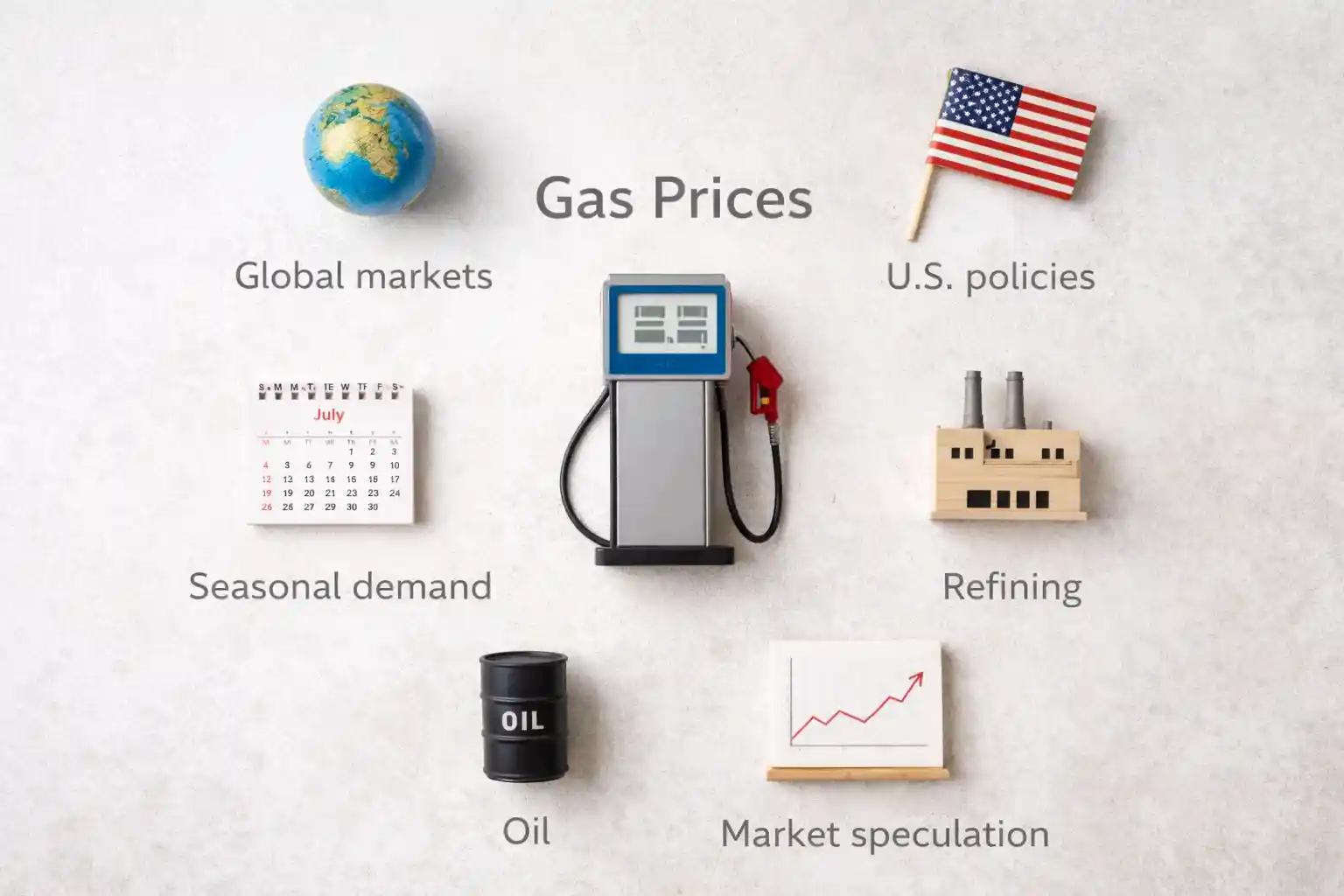
If you live in the United States, you are likely familiar with the feeling of gas prices changing seemingly overnight. One week, fuel prices may seem manageable, and the next week, drivers are paying significantly more at the pump. While this can be frustrating for consumers, there are several economic, political, and environmental factors that explain why gas prices fluctuate so often in the US. Understanding these factors helps make sense of fuel pricing and provides insight into the broader energy market.
The Connection Between Oil and Gasoline
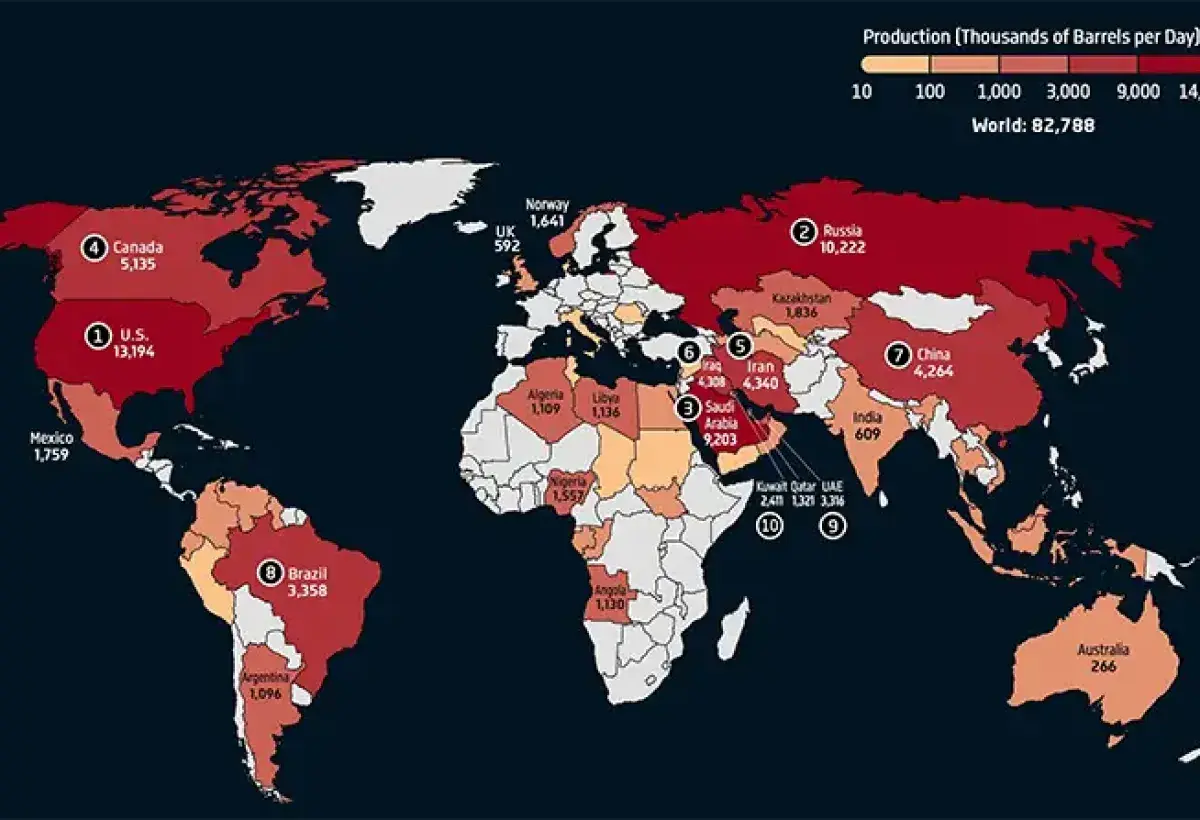
Gasoline is derived from crude oil, which is a globally traded commodity. This means that changes in the price of crude oil have a direct impact on the cost of gasoline. Crude oil prices are influenced by supply and demand dynamics, geopolitical events, natural disasters, and even speculation in commodity markets.
For example, tensions in the Middle East, where a significant portion of the world’s oil is produced, can create uncertainty about oil supply. When supply is perceived as threatened, prices typically rise. Conversely, when new oil reserves are discovered or production increases, prices can decrease.
Image
Supply and Demand Dynamics
The basic principle of supply and demand plays a major role in gas prices. During periods of high demand, such as summer months when many Americans travel for vacations, gas prices tend to rise. Conversely, during times of lower demand, prices may drop.
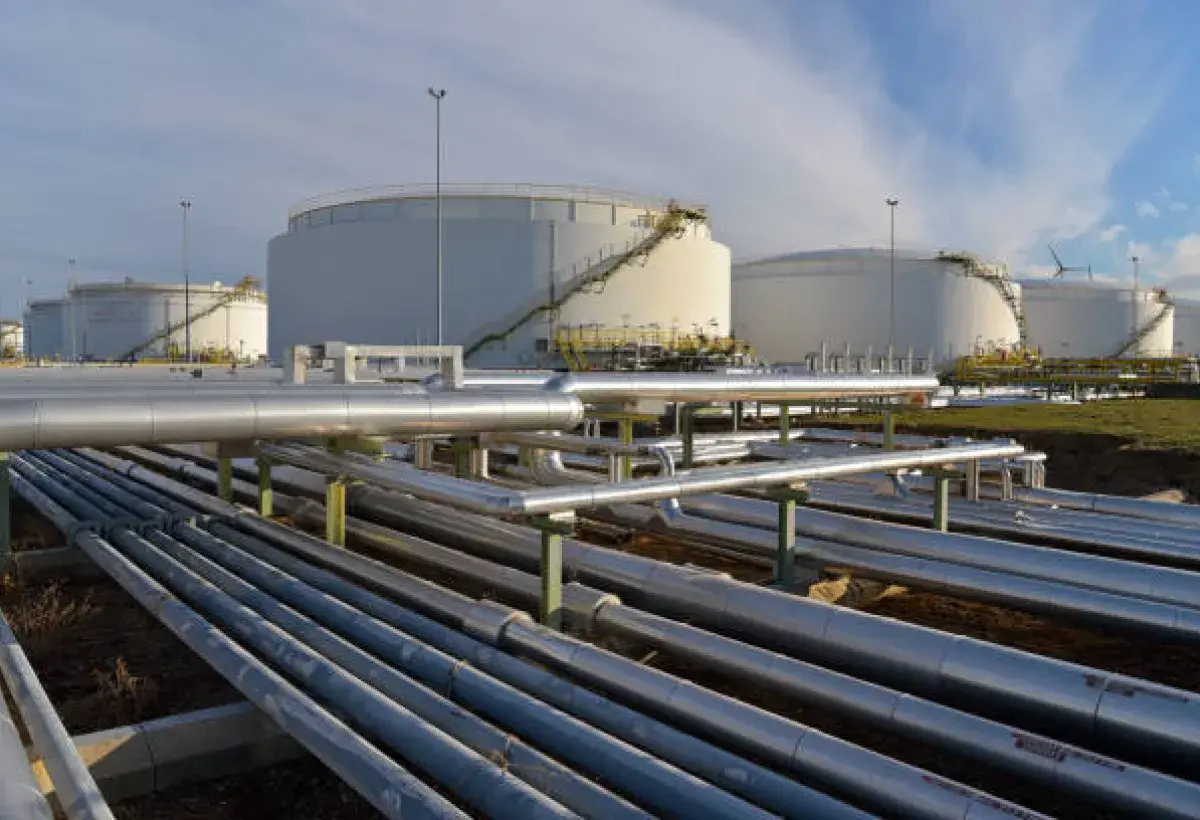
Refinery capacity also impacts supply. If refineries are temporarily shut down for maintenance or due to unexpected issues, gasoline supply decreases, leading to higher prices. In addition, regional differences in refinery output can affect gas prices across states, creating variability even within the United States.
Image
Seasonal Gasoline Formulations
In the United States, gasoline is produced differently for summer and winter months. Summer gasoline must meet stricter environmental standards to reduce pollution. This seasonal transition, known as the "switch to summer blend," often increases production costs, which are reflected in higher pump prices during spring and summer.
Winter gasoline, which is easier and cheaper to produce, can lower prices slightly during the colder months. These seasonal changes are predictable, yet they contribute to the regular fluctuations consumers notice at the pump.
Image
Geopolitical Events and Global Markets
Gasoline prices in the US are not isolated from global events. Political instability, wars, trade restrictions, and sanctions affecting oil-producing countries can quickly influence prices. For instance, conflicts in major oil-exporting nations can cause crude oil prices to spike, directly affecting gasoline costs.
Additionally, global market speculation plays a role. Traders in commodities markets buy and sell oil futures based on predictions about supply disruptions or changes in demand. Even rumors about potential conflicts or policy changes can trigger immediate shifts in gas prices.
Image
Refining and Distribution Costs
Beyond crude oil, the cost of refining and distributing gasoline also affects pump prices. Refineries process crude oil into gasoline, but they must also meet regional and environmental regulations, which vary across the country. These regulations can increase production costs.
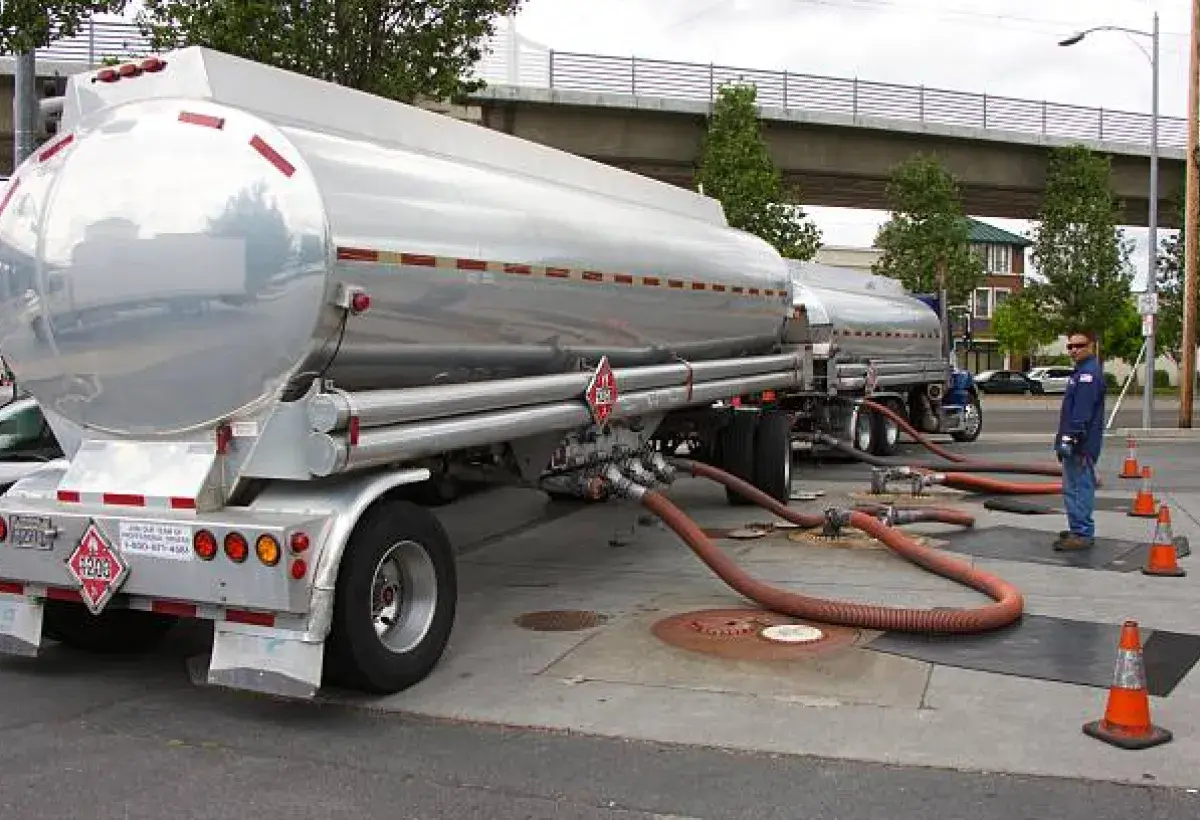
Distribution is another factor. Gasoline must be transported from refineries to storage terminals and then to individual gas stations. Transportation costs, including trucking and pipeline fees, are influenced by fuel prices, labor costs, and logistical challenges, all of which contribute to fluctuations in gas prices.
Image
State Taxes and Local Variations
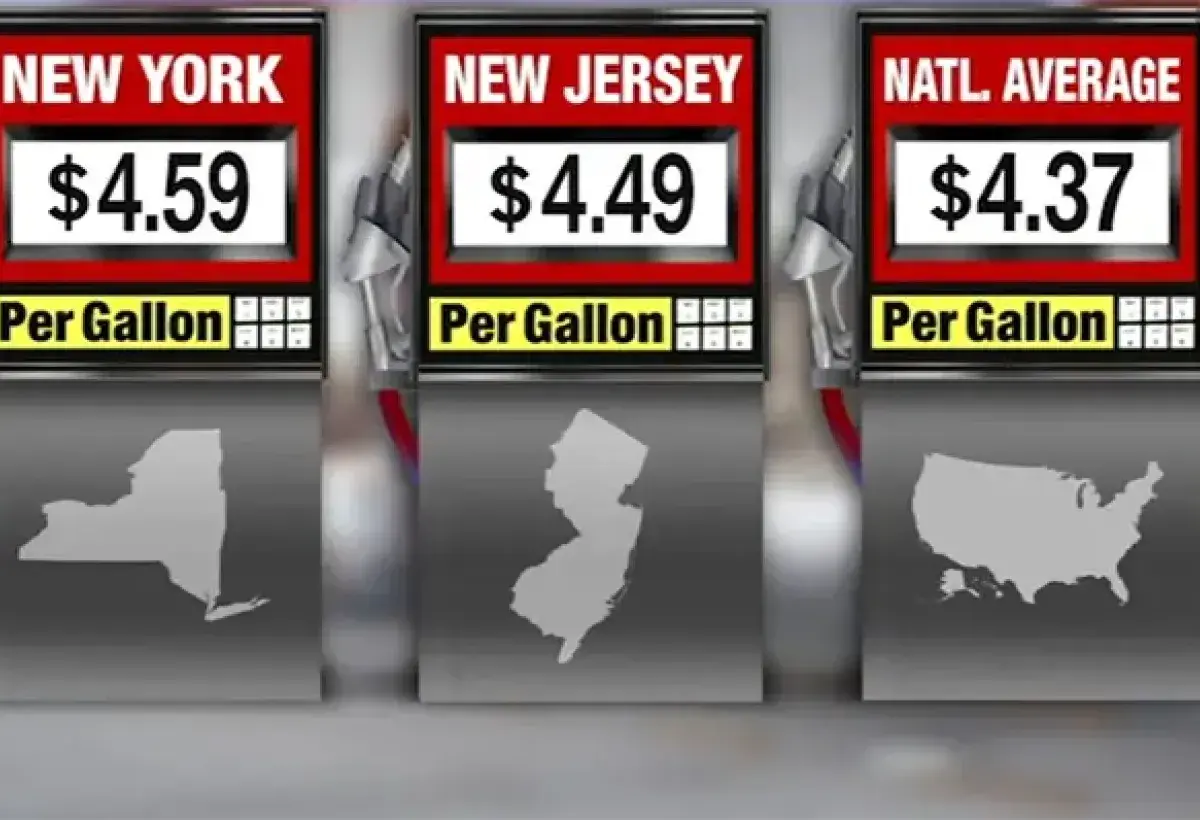
Gasoline prices are also affected by state and local taxes. Some states have higher fuel taxes than others, which means the same base price of gasoline can result in very different prices at the pump depending on location.
For example, California has some of the highest gas taxes in the US, leading to higher average pump prices compared to states like Texas or Oklahoma. Regional supply and demand, refinery location, and transportation costs further contribute to price differences across the country.
Image
Natural Disasters and Unexpected Events
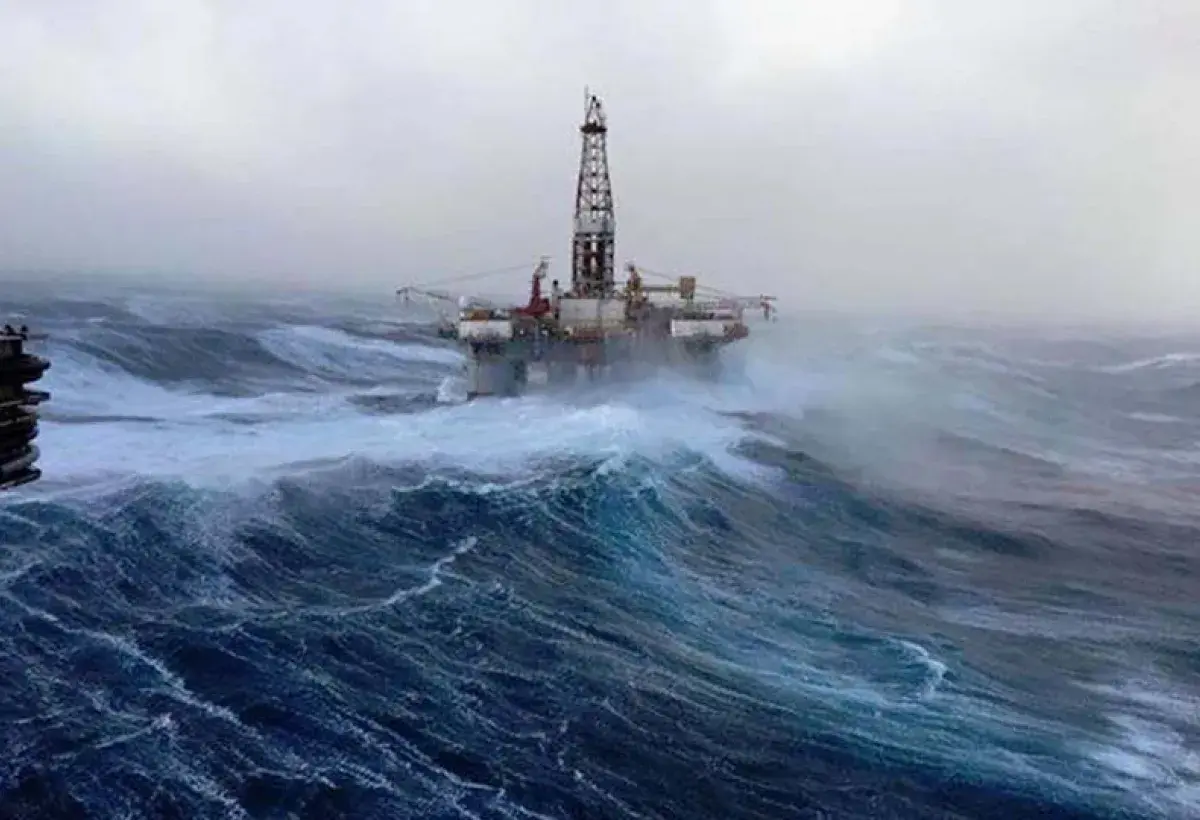
Hurricanes, storms, and other natural disasters can temporarily disrupt gasoline supply. For example, hurricanes affecting the Gulf of Mexico can damage offshore oil rigs or refineries, reducing supply and driving up prices. Even short-term disruptions can have a noticeable impact on consumer gas prices.
Other unexpected events, such as refinery fires or pipeline accidents, can also cause temporary spikes in prices. These events illustrate the vulnerability of gasoline supply chains to unforeseen circumstances.
Image
The Role of Market Speculation
Market speculation plays a subtle but significant role in price changes. Traders in oil futures markets react to news, trends, and predictions. Anticipating supply shortages, rising demand, or geopolitical risks can lead to immediate changes in crude oil prices, which eventually filter down to gas stations.
Even without actual changes in supply or demand, speculative trading can cause temporary volatility in gas prices. This contributes to the frequent ups and downs that consumers notice at the pump.
Image

Consumer Behavior and Psychological Pricing
Gasoline retailers also use psychological pricing strategies. Even small fluctuations can influence consumer behavior. For instance, gas stations may slightly lower prices to attract more customers or increase prices when competitors raise theirs. These adjustments, though minor, contribute to the perception that gas prices change frequently.
Frequent price changes also encourage consumers to monitor prices more actively, which benefits retailers by driving more visits during perceived lower-price periods.
Image
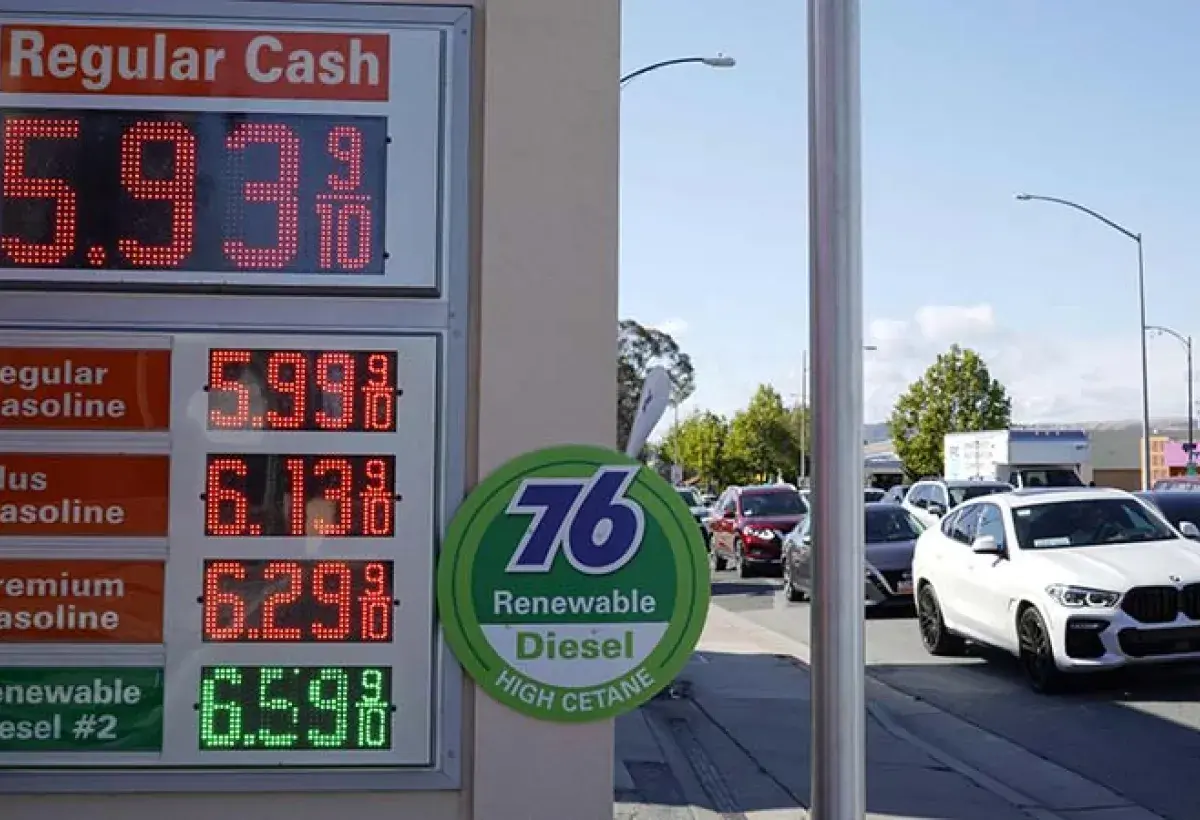
Tips for Managing Gas Expenses
While gas prices will always fluctuate, there are strategies drivers can use to manage costs:
-
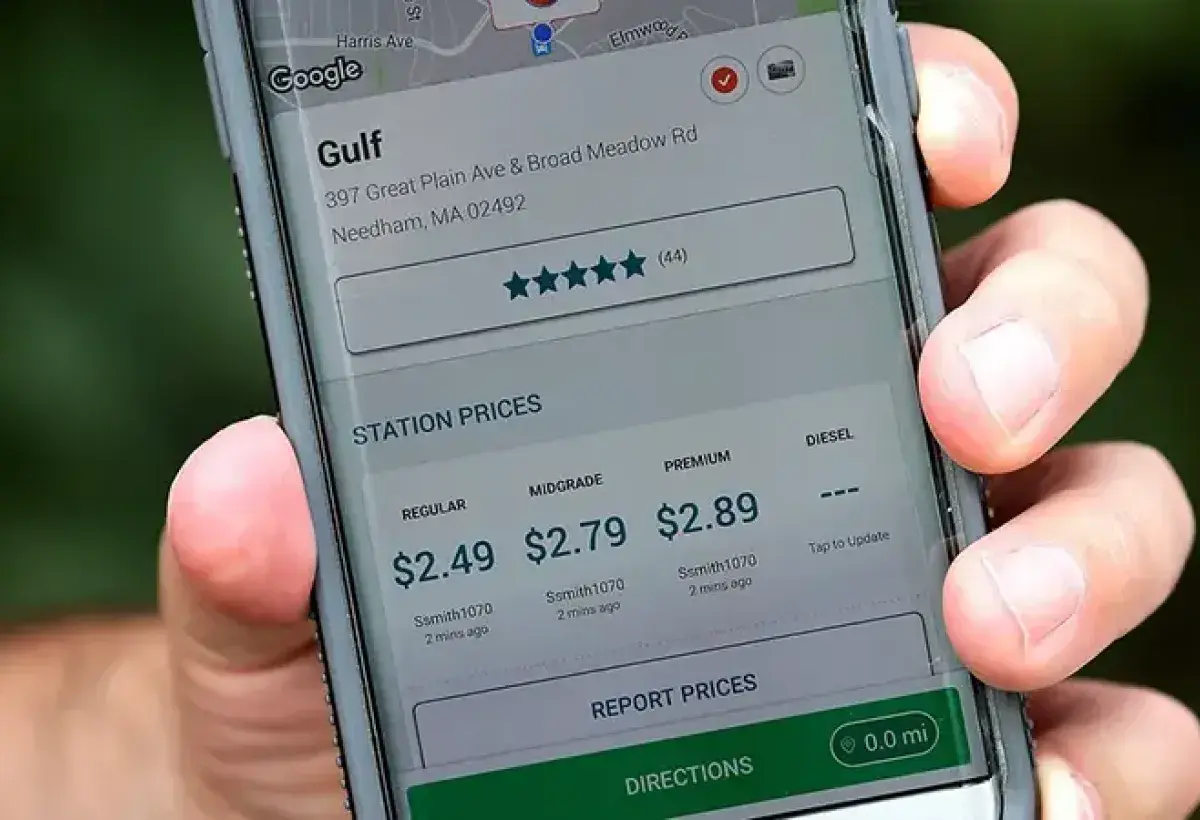
Monitor prices: Use apps and websites to find the lowest prices in your area.
-
Fuel up strategically: Gas prices often rise during weekends and holidays; plan accordingly.
-
Maintain your vehicle: Efficient maintenance, including proper tire pressure and oil changes, improves fuel economy.
-
Consider alternative transportation: Carpooling, public transit, or biking can reduce fuel costs.
-
Use reward programs: Many gas stations offer loyalty programs or credit card rewards to offset costs.
Image
Gas prices change frequently in the United States due to a complex combination of factors. From global crude oil markets, supply and demand dynamics, seasonal fuel requirements, and geopolitical events, to refining costs, transportation logistics, taxes, and market speculation, numerous elements influence the price consumers pay at the pump.
Understanding these factors helps explain why price fluctuations are common and often unpredictable. While drivers cannot control gas prices, they can take steps to manage fuel expenses and make informed choices about when and where to refuel.
Ultimately, the frequent changes in gasoline prices reflect the interconnected nature of the global energy market and the complexity of delivering fuel to millions of consumers across the country.
Image