


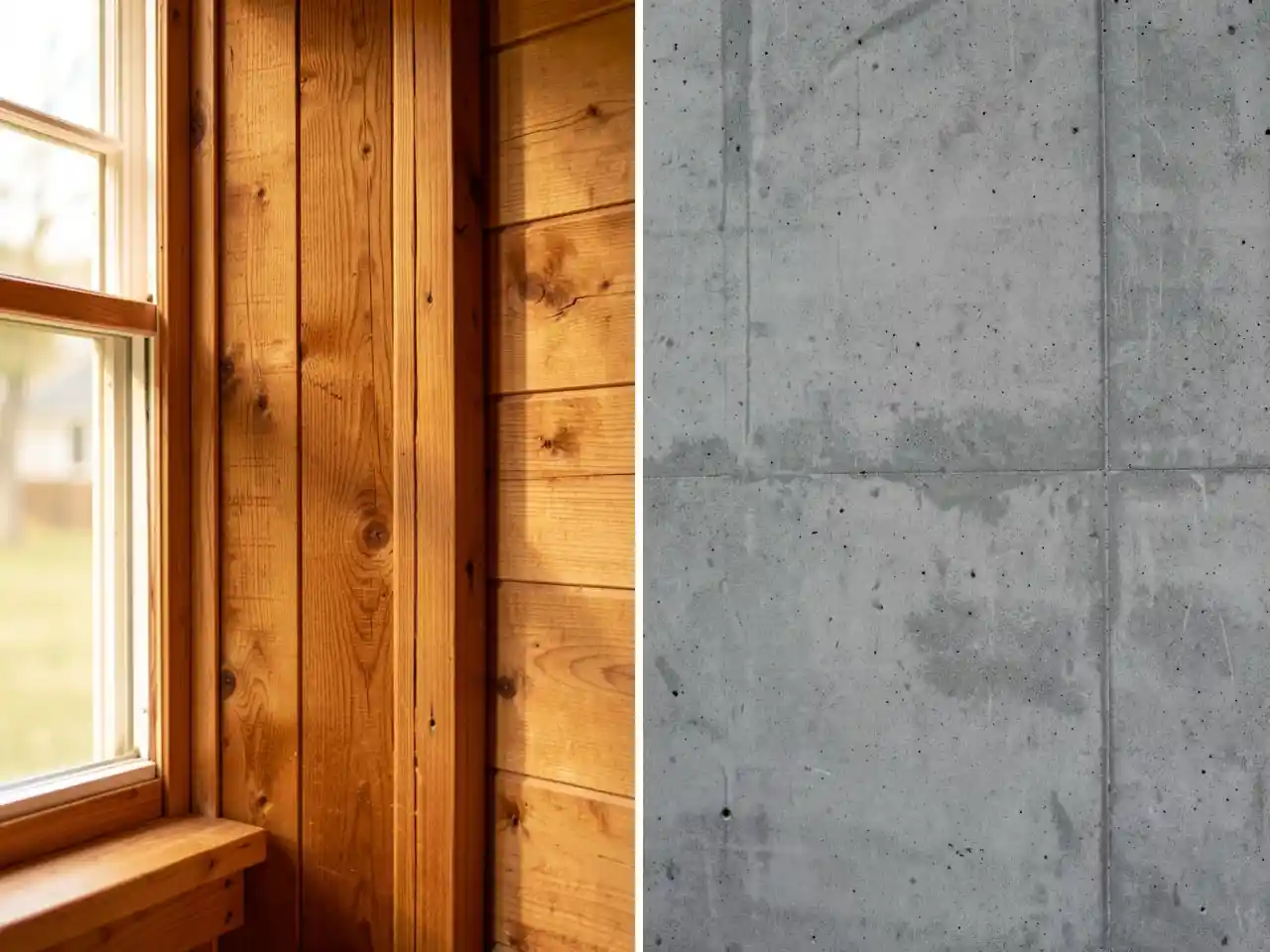
Walk through almost any suburban neighborhood in the United States and you will notice something curious. Streets are lined with homes whose bones are formed not from stone or concrete but from flexible wooden frames. This is surprising for many readers from Europe or Asia where concrete reigns as the familiar backbone of residential life. The preference for wood in the United States can feel like a decision rooted in old habits, yet the story stretches deeper than simple tradition.
The United States housing landscape grew from a fusion of geography, culture, economics, natural resources, building sciences, and social expectations. Wood shaped the country quite literally. Early settlers found forests that stretched to the horizon like giant green oceans. Timber was abundant, easy to harvest, and gentle on rudimentary hand tools. It became the trusted material that allowed communities to rise quickly. Even as technology advanced, the legacy persisted because the benefits remained practical and powerful.
Modern homeowners also carry expectations inherited from generations before them. They expect a home to feel warm in winter, cool in summer, and swift to construct. They want renovations that do not require complex heavy machinery. They want financing options that remain affordable. These desires grew around the availability of wood, the efficiency of the building industry, and the engineering standards that developed over time. As a result the country built a construction culture that rewards speed, flexibility, and easy access to materials.
A Long Partnership Between Wood and American History
Image
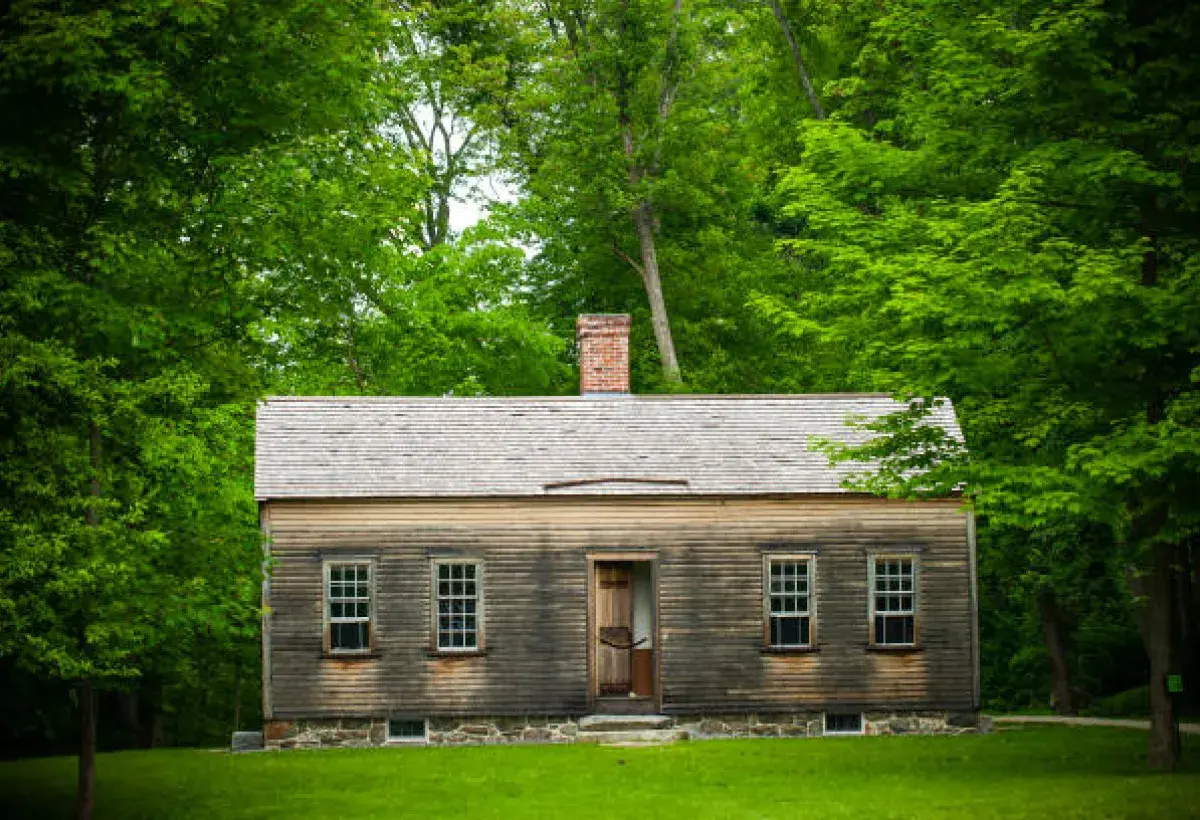
When early migrants arrived from Europe they discovered forests so dense that legends claimed a squirrel could travel from the Atlantic coast to the Mississippi River without touching the ground. Wood was everywhere. With limited tools and no industrial concrete production, timber became the natural choice. It could be shaped easily, repaired quickly, and transported with simple wagons or rafts. It also allowed families to build homes themselves, something concrete could not offer at the time.
Communities grew where sawmills were built. Towns emerged near rivers where logs floated downstream like patient travelers. Wood fueled fireplaces for warmth, barns for livestock, shops for trade, and homes for families. By the time concrete technology became widely available, wood had become part of the national building identity. Schools taught carpentry. Local codes were written around wooden framing. Contractors specialized in timber. Entire supply chains adjusted around this material.
This early head start shaped the entire future of housing in the United States.
Climate and Geography Support Wood Construction
Image
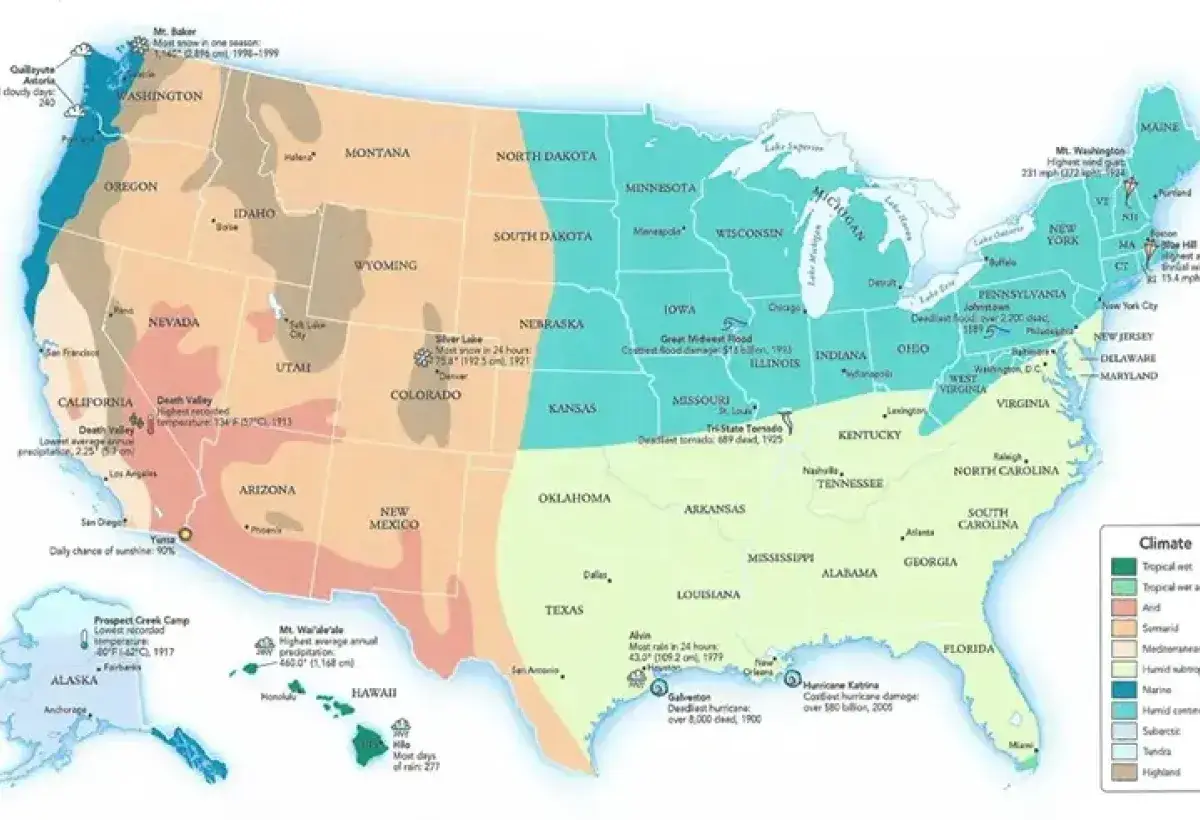
The United States stretches across vast climate zones. The northern states face long winters with heavy snowfall while the southern states experience humid summers and seasonal storms. Wood suits these conditions because it retains warmth well, flexes without cracking, and responds gracefully to seasonal expansion and contraction.
Concrete performs best in tropical or equatorial regions where temperature swings are minimal. In areas with harsh winters concrete can crack if not mixed or reinforced with precision. Freeze thaw cycles slowly weaken concrete walls. This does not mean concrete cannot work in colder climates, only that it becomes more expensive and labor intensive to do correctly.
Wood on the other hand offers resilience through flexibility. A wooden frame absorbs wind pressure and shifts slightly during storms without significant structural damage. This makes it a useful choice in areas that experience tornadoes, thunderstorms, or strong seasonal winds.
In short the geography of the country rewards a material that adapts easily.
Cost Advantages That Favor Wood
Wood remains significantly more economical than concrete in the United States. The reason is not simply the price of raw lumber but the entire ecosystem built around it.
Image
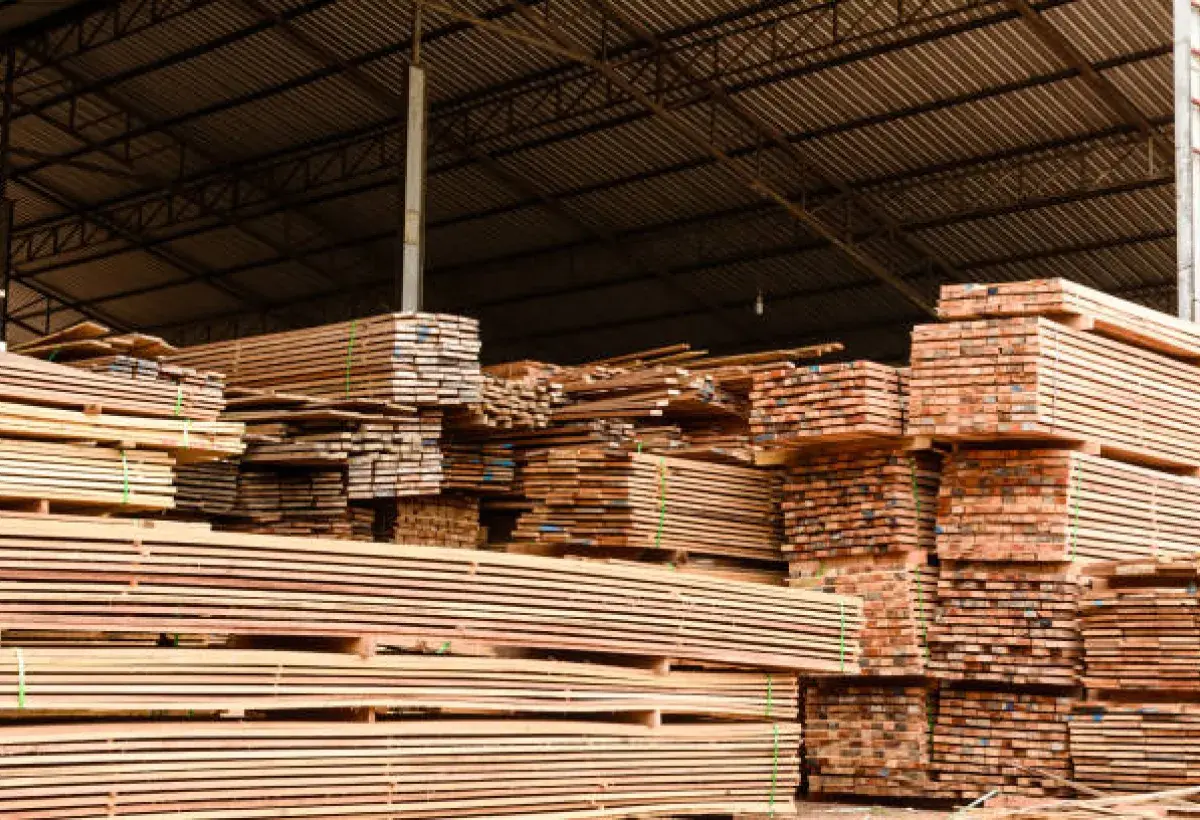
The United States has one of the largest and most efficient lumber industries in the world. Timber forests are replanted regularly to maintain supply. Sawmills are automated to handle high volume production. Transportation networks are optimized around delivering lumber quickly to urban and rural areas.
Concrete on the other hand requires more specialized labor. A concrete house requires mixing, curing, forming, and careful reinforcement. Labor costs rise because fewer workers specialize in concrete residential construction. The entire process takes longer which increases financing costs for developers. Time is money in real estate, so any delay changes the economics of a project.
The cost advantage of wood becomes even stronger when considering repairs. Homeowners can replace wooden studs or panels without large machinery. Most contractors know how to work with lumber, which keeps labor prices competitive. Concrete repairs often require cutting, drilling, or structural reinforcement that costs significantly more.
Speed of Construction Plays a Major Role
Speed is one of the greatest advantages of wooden homes in the United States. A typical wooden house can be framed in a matter of days. Entire neighborhoods can rise in months.
Image
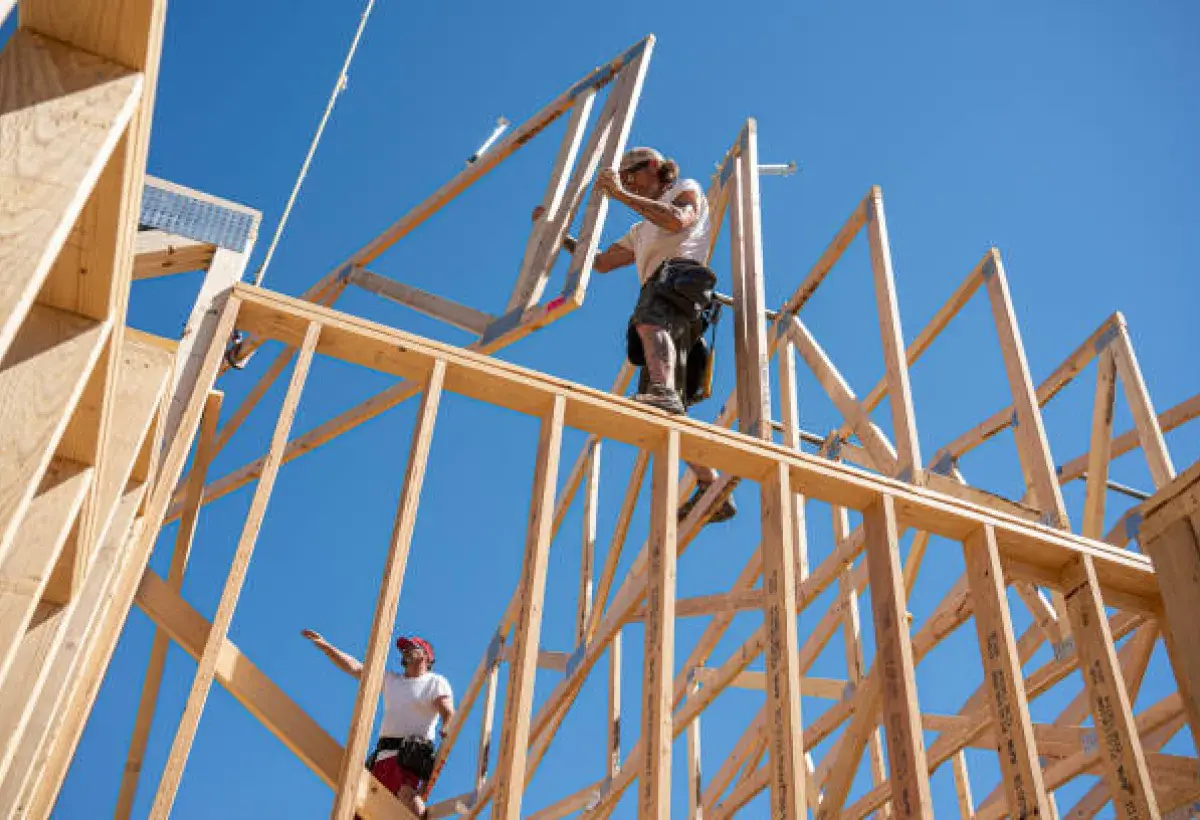
Developers value rapid construction because it reduces carrying costs. Banks prefer projects that move quickly because it lowers financial risk. Buyers benefit because homes enter the market sooner which stabilizes prices in growing cities.
Concrete houses require longer curing periods. Each wall or slab must dry before the next stage can begin. This slow rhythm is common in countries where labor costs are low and concrete is abundant. In the United States where labor is expensive and time pressure is intense, slower construction becomes a disadvantage.
Speed also matters after disasters. When storms or fires strike a region, wood allows neighborhoods to rebuild faster. This convenience shapes both policy and public expectations.
Flexibility and Customization Attract Homeowners
Wooden framing invites creativity. Homeowners can remodel, expand, or personalize their homes with far less difficulty than concrete based properties.
Image
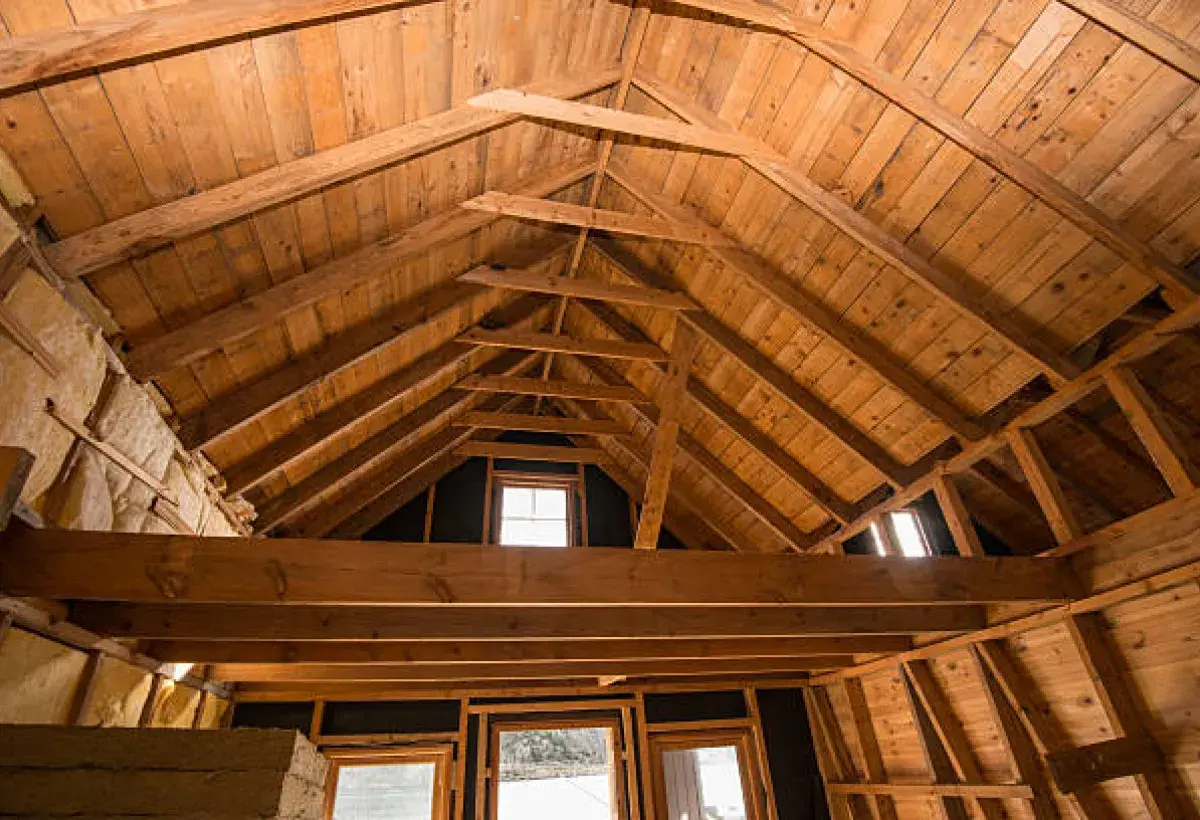
A wood framed house can be adjusted with new walls, extended rooms, or revised layouts without compromising the integrity of the entire structure. This flexibility appeals to families who expect to add rooms, modernize kitchens, or update living spaces.
Concrete structures are more rigid. Any major layout change requires heavy tools, structural assessments, and sometimes government permits. This limits customization and increases long term costs.
The American dream has always involved personal choice. A home is not only a shelter but an evolving expression of a family’s needs. Wood aligns naturally with that idea.
Insurance, Risk, and Natural Hazards
People often believe that wood is unsafe because it can burn or rot. Yet the United States insurance industry is designed around this material. Homes are built with strict fire resistant standards including advanced insulation materials, smoke barriers, and safety systems.
Image
In regions with high seismic activity wood performs surprisingly well. Wooden frames absorb ground movement and sway rather than crack. Many earthquake prone areas of the United States such as California rely on flexible wooden structures for this reason.
In wildfire regions builders use treated lumber and fire resistant exterior siding. While concrete naturally resists fire, the overall risk profile of a wood framed home is considered manageable within modern safety standards.
The existing insurance framework offers rates that reinforce the continued use of wood.
Environmental Considerations and Sustainability
Many readers assume concrete is more durable and therefore more sustainable. However the environmental impact tells a more complex story.
Concrete production releases large quantities of carbon dioxide because of the chemical reaction involved in cement manufacturing. Wood on the other hand stores carbon throughout its life. Modern timber comes from managed forests that are replanted regularly. The industry operates like a living cycle where harvested areas become fresh forests over time.
Image

Wood is also lighter which reduces fuel consumption during transportation. Prefabrication methods allow builders to produce large sections of homes in controlled factory environments which reduces waste and improves efficiency.
While concrete can last longer under certain conditions, the total environmental footprint of wood often remains smaller.
Cultural Expectations and Familiarity
The typical United States homeowner expects a certain look and feel. Wooden homes dominate television shows, real estate listings, architectural magazines, suburban developments, and childhood memories. The culture became trained to think of wood as the natural material for home building.
Image
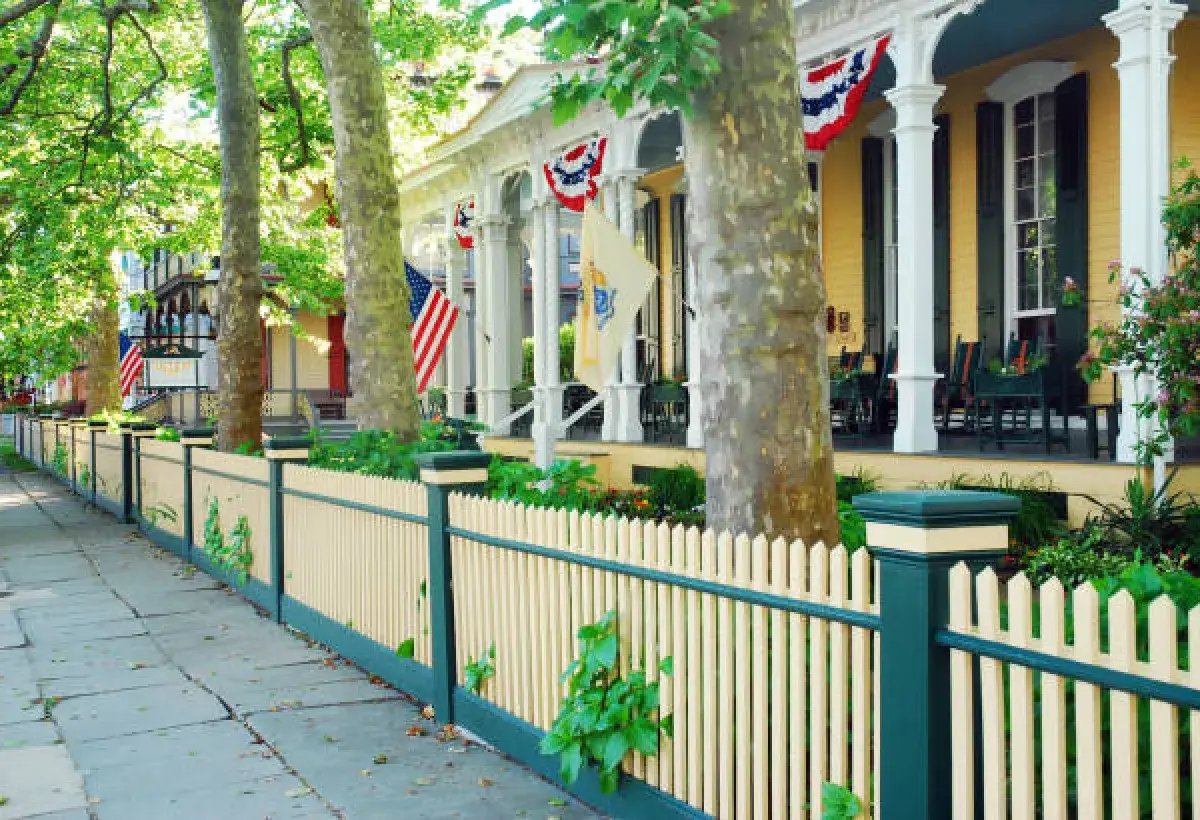
Concrete homes sometimes feel unfamiliar or industrial to buyers. Realtors know that unusual construction types often shrink the pool of potential buyers which lowers resale value. Because home equity is central to American financial life, people prefer what feels safe and market friendly.
This shared expectation reinforces wood as the reliable choice.
The Future of Home Building in the United States
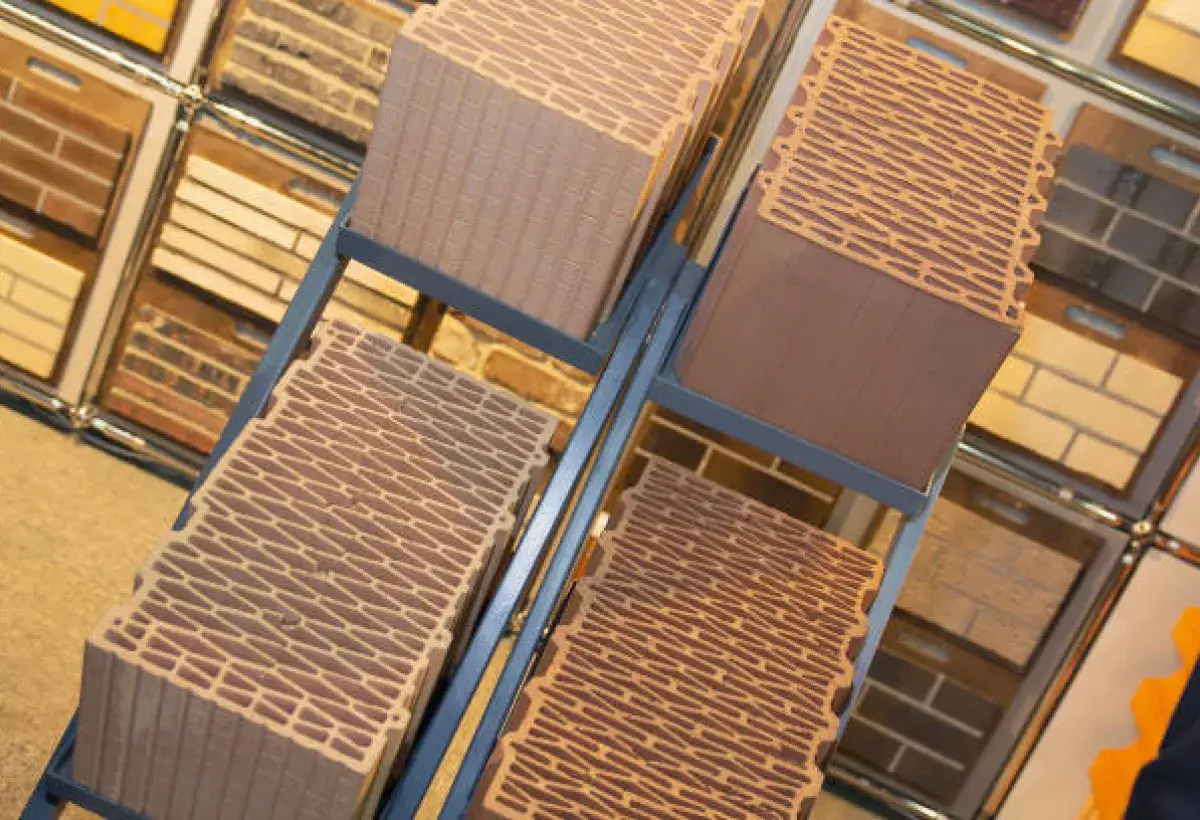
Although wood dominates the present, the future may bring new blends of materials. Innovations like cross laminated timber allow wooden buildings to reach impressive heights while maintaining strength. Researchers are developing low carbon concrete alternatives. Some states encourage mixed structural systems where wood frames combine with concrete basements or steel reinforcements.
Image
Climate change will influence future choices. Regions with frequent wildfires may shift toward concrete exteriors with wooden interiors. Areas with hurricane exposure may see more investment in impact resistant panels and reinforced frames.
However most experts expect wood to remain the backbone of United States residential life for decades. The supply chain is established. Labor skills are widespread. Construction codes are optimized for timber. The financial system rewards its use. Tradition supports it. Innovation continues to make it stronger.
Wood remains the preferred building material in the United States not because of outdated habits but because it fits the country’s climate, geography, economy, culture, and long term goals. It adapts to storms and seasons. It offers speed, affordability, and customization. It attracts buyers and respects the rhythms of family life. It also reduces environmental impact when managed responsibly.
Concrete has its strengths and continues to serve for commercial buildings or specialized homes. Yet for the typical American household wood remains the quiet champion that shapes neighborhoods across the nation.
The story of wooden homes in the United States is ultimately a story of practicality supported by history and reinforced by modern needs. As building technologies evolve, wood will continue to adapt just as it always has.