Key Insights
-
The global population aged 60 years and older will increase from about 1 billion in 2019 to 2.1 billion by 2050, making population aging one of the most significant demographic shifts of the 21st century.
-
International frameworks such as the World Health Organization-led United Nations Decade of Healthy Ageingand the Madrid International Plan of Action on Ageing provide guidance for governments and institutions responding to demographic aging.
-
Aging populations create structural pressures on healthcare systems, pension programs, labor markets, and urban infrastructure, requiring coordinated policy responses.
-
At the same time, the expanding silver economy represents a major economic opportunity, with global spending linked to older consumers projected to reach over $15 trillion annually by 2030.
-
Evidence-based responses to population aging require collaboration among families, communities, businesses, and governments to promote healthy aging, social participation, and economic inclusion.
A World Growing Older
Population aging is one of the most significant demographic transformations of the 21st century. According to the United Nations Department of Economic and Social Affairs, the number of people aged 60 years and older will increase dramatically over the next three decades.
Declining fertility rates, improved healthcare, and longer life expectancy are reshaping the age structure of societies worldwide. For the first time in human history, the global population aged 65 and above is projected to outnumber children under five years old.
This shift is occurring across both developed and developing countries, although the pace differs significantly. Many countries in Asia and Latin America are aging two to three times faster than Europe did during the 20th century, leaving governments less time to adapt policies and infrastructure.
Global Aging by the Numbers
Recent international demographic projections illustrate the scale of this transformation.
| Indicator | 2019 | 2030 | 2050 |
| Global population aged 60+ | 1.0 billion | 1.4 billion | 2.1 billion |
| Share of global population aged 60+ | 13% | 16% | 22% |
| Population aged 80+ | 143 million | 247 million | 426 million |
Sources: United Nations DESA, World Population Prospects; World Health Organization.
Image

By 2030, one in every six people in the world will be aged 60 or older. This is not a distant projection, it is our present reality, marking a significant shift in the global population structure. Projections indicate that by 2050, one in five people globally will be over the age of 60, reflecting the rapid expansion of aging populations across both developed and developing regions.
During the same period, the number of people aged 80 and above is expected to triple, with the majority of older adults living in low- and middle-income countries. These demographic changes will influence nearly every sector of society, including labor markets, healthcare systems, housing demand, and social protection programs.Global Policy Frameworks for Aging
Recognizing the significance of demographic aging, the international community has developed policy frameworks to guide national responses.
Madrid International Plan of Action on Ageing (MIPAA)
Adopted by the United Nations in 2002, MIPAA remains the most comprehensive global strategy addressing aging populations. The plan encourages governments to integrate aging considerations into economic development, healthcare systems, and urban planning. The framework focuses on three priorities:
-
Older persons and development
-
Advancing health and wellbeing in old age
-
Ensuring enabling and supportive environments
United Nations Decade of Healthy Ageing (2021-2030)
The World Health Organization defines healthy aging as the process of maintaining functional ability that enables wellbeing in older age. This perspective shifts aging policy away from dependency narratives and toward active participation and social inclusion. This global initiative promotes coordinated action in four key areas:
-
combating ageism and discrimination
-
fostering age-friendly communities
-
delivering integrated health and long-term care services
-
improving access to long-term support systems
Image
Structural Challenges of an Aging World
Despite growing awareness, many countries remain underprepared for demographic aging. Several structural challenges appear consistently across international research.
Pension and Income Security
According to the International Labour Organization, nearly half of the world’s older population lacks adequate pension coverage. In many regions, informal employment limits access to formal retirement systems, leaving older adults financially vulnerable. Increasing longevity also places additional pressure on pension systems originally designed for shorter life expectancies.
Healthcare and Long-Term Care
Older populations experience a higher prevalence of chronic conditions such as cardiovascular disease, diabetes, and cognitive disorders. As life expectancy increases worldwide, healthcare systems are encountering growing demand for services that address long-term and complex health needs associated with aging.
The World Health Organization notes that many healthcare systems remain primarily structured around acute and episodic care rather than the long-term management required for aging populations. This mismatch between system design and demographic realities creates increasing pressure on healthcare infrastructure and services.
To respond effectively, countries are encouraged to expand geriatric healthcare services while strengthening rehabilitation and preventive care programs. Developing community-based long-term care systems and providing support for caregivers are also essential components of sustainable health systems in aging societies.
Image
Social Isolation and Mental Health
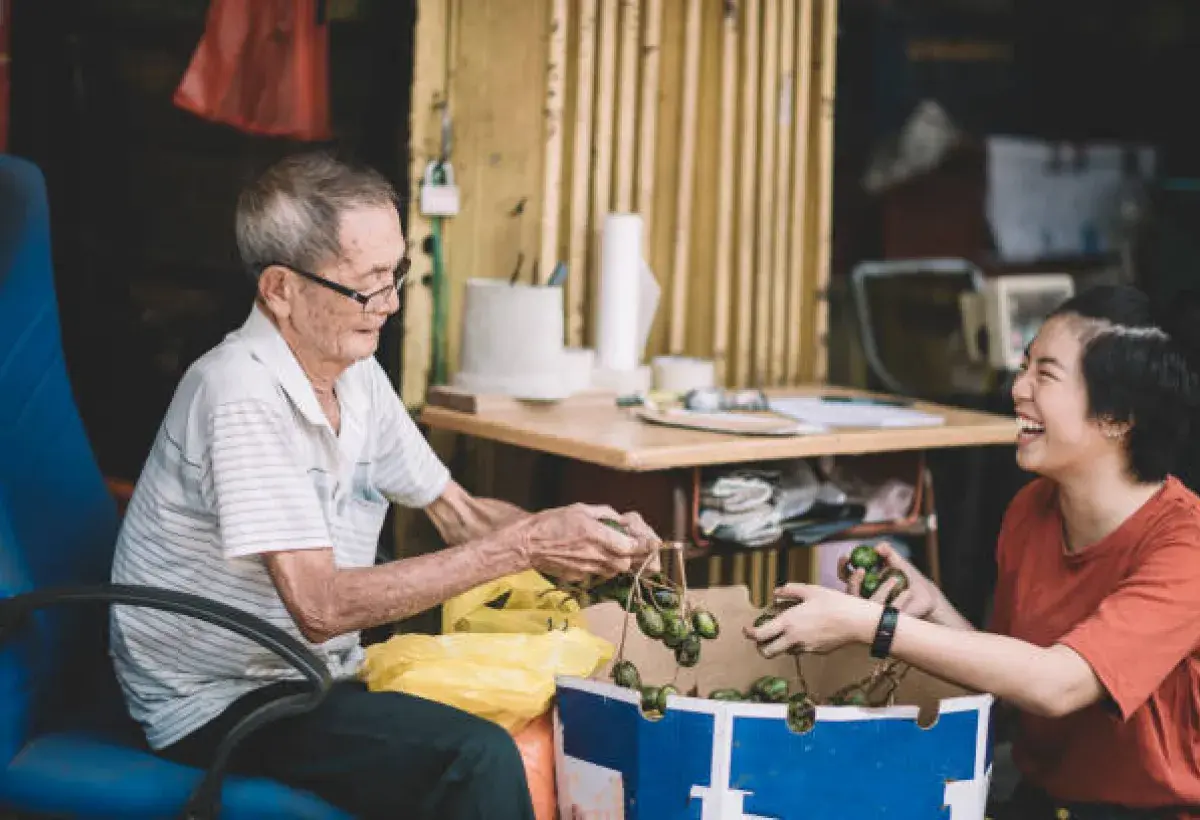
Social isolation among older adults has become an increasingly recognized global concern. Research published in gerontology and public health studies indicates that loneliness among older individuals is associated with significantly higher risks of depression, cognitive decline, cardiovascular disease, and premature mortality.
Several structural changes in modern societies contribute to this growing challenge. Urbanization, labor migration, and evolving family structures have gradually weakened traditional multigenerational living arrangements, reducing daily social interaction and support networks for many older adults
Changing Labor Markets
Population aging is reshaping global labor markets as declining birth rates combine with longer life expectancy. These demographic shifts can contribute to workforce shortages and slower economic growth in many countries.
Institutions such as the Organisation for Economic Co-operation and Development and the World Bank highlight the importance of policies that promote lifelong learning, flexible employment arrangements, delayed retirement options, and intergenerational mentorship in the workplace. Such strategies recognize that older workers continue to contribute valuable experience, leadership, and institutional knowledge to modern economies.
The Rise of the Silver Economy
While aging populations present policy challenges, they also create substantial economic opportunities. The silver economy refers to economic activity associated with the needs and purchasing power of older adults.
The expanding global aging population is also creating one of the largest emerging economic markets of the century. According to the European Commission, the global silver economy is projected to exceed $15 trillion annually by 2030, reflecting the growing demand for products and services that support longer, healthier lives.
This rapidly expanding market presents significant opportunities for businesses to develop high-quality and beneficial solutions tailored to older consumers. Key sectors include healthcare and medical technologies, retirement housing and assisted living, wellness and preventive health services, financial planning and retirement products, and tourism and leisure experiences designed for older adults. Companies that recognize these demographic shifts early can create innovative services that not only generate economic value but also enhance wellbeing and quality of life for aging populations.
Image

Evidence-Based Strategies for an Aging World
Addressing population aging requires coordinated action across multiple sectors.
Families
Families remain the primary support network for older adults in most societies, providing emotional connection, daily assistance, and a sense of belonging. Research consistently shows that strong intergenerational relationships improve mental health, life satisfaction, and resilience in later life, reinforcing the importance of maintaining meaningful family bonds across generations.
Practical ways families can strengthen this support include maintaining regular social interaction with older relatives, involving them in family decisions, and preserving their stories, experiences, and knowledge for younger generations. Planning early for future care needs also allows families to prepare thoughtfully, ensuring that aging loved ones can live with dignity, security, and continued connection to the people who matter most.
Communities
Local communities play a crucial role in supporting active aging by creating environments that allow older adults to remain healthy, engaged, and socially connected. The World Health Organization promotes this approach through its Age-Friendly Cities and Communities framework, which encourages urban and community planning that accommodates the needs of aging populations.
The framework highlights the importance of accessible transportation systems, safe public spaces and walkable neighborhoods, opportunities for social participation, and accessible community health services. Cities that adopt age-friendly policies often improve quality of life not only for older residents but for people of all ages.
Businesses
Businesses play an important role in adapting to aging societies by creating inclusive workplace practices and developing products and services that respond to the needs of older populations. As demographic shifts reshape labor markets and consumer demand, companies have opportunities to support both economic productivity and social wellbeing.
Practical approaches include offering flexible employment arrangements for older workers, encouraging knowledge transfer through mentorship programs, and developing goods and services tailored to senior consumers. Employers can also support workers who provide care for aging family members, helping strengthen both workforce stability and social inclusion.
Image

Governments
National governments play a central role in shaping how societies respond to the realities of demographic aging. As populations grow older, public policy decisions made today will determine whether longer life expectancy becomes a social achievement or a strain on economic and social systems.
Forward-looking strategies increasingly focus on strengthening pension and social protection systems, expanding access to geriatric healthcare and long-term care, and promoting lifelong learning and employment opportunities across the lifespan. Integrating aging considerations into urban planning and investing in reliable data and research on aging populations are equally critical, as countries that plan early are far better positioned to manage demographic transitions in a stable and sustainable way.
Looking Ahead: Aging in 2050 and Beyond
By the middle of this century, demographic aging will not simply alter population statistics; it will fundamentally reshape economic systems, labor markets, and the social contract between generations. The question facing societies is no longer whether populations will age, but how institutions, communities, and economies will adapt to longer human lifespans.
Future policy discussions increasingly explore how to extend healthy life expectancy, redesign retirement models for longer lives, and strengthen intergenerational solidarity in rapidly changing societies. Equally important are efforts to develop age-inclusive labor markets and create opportunities for lifelong purpose and social participation, reflecting a broader shift toward what many researchers describe as the emerging longevity economy, where older adults continue to play meaningful social and economic roles.
Conclusion
Population aging is no longer a distant projection. It is a measurable and accelerating demographic reality. International frameworks such as the Madrid International Plan of Action on Ageing and the United Nations Decade of Healthy Ageing provide clear guidance for societies navigating this transition.
The challenge is not whether the world will age, but how societies will respond. By investing in policies and systems that support health, participation, and dignity across the lifespan, societies can transform demographic aging from a perceived burden into an opportunity for sustainable and inclusive development.
Author: Dr. Mariza Lendez, DBA - Founder of Global Retirement Radar and developer of the Ikigai–Bayanihan Purpose-Driven Retirement Framework, a research-based model addressing the social, economic, and community dimensions of global population aging.
Explore the Ikigai-Bayanihan Retirement Model presented by Chikicha Co-founder:
https://www.chikicha.com/chikicha-co-founder-present-ikigai-bayanihan-retirement-model-iafor-egen-2026
Image

Acknowledgment to the Contributors on Pixabay and FreePik, thank you for your photos.
References
-
United Nations Department of Economic and Social Affairs. (2023). World Population Prospects.
-
World Health Organization. (2020). Decade of Healthy Ageing 2021–2030.
-
United Nations. (2002). Madrid International Plan of Action on Ageing.
-
International Labour Organization. (2021). World Social Protection Report.
-
OECD. (2022). Promoting an Age-Inclusive Workforce.
-
European Commission. (2018). The Silver Economy Study.
-
World Health Organization. (2021). Age-Friendly Cities and Communities Framework.
Cast Your Vote
Image