A Deep Dive into Blue Zone Countries
In the ongoing quest to understand human longevity, certain regions have drawn sustained scientific attention for an extraordinary reason: people there live not only longer, but better. These regions, commonly referred to as “Blue Zones,” function as natural laboratories of ageing - where extended lifespan is accompanied by preserved function, social engagement, and a sustained sense of purpose.
The concept of Blue Zones was popularized by Dan Buettner, who collaborated with demographers, epidemiologists, and anthropologists to identify geographic areas with unusually high concentrations of centenarians. Through census validation, mortality records, and field-based research, these studies highlighted communities where reaching one hundred is not exceptional, but statistically meaningful.
As research has evolved, additional regions have been proposed, while others have faced scrutiny regarding data accuracy and methodological rigor. This discussion therefore focuses on the most consistently validated Blue Zones; those supported by demographic evidence, longitudinal observation, and interdisciplinary research.
What makes these regions compelling is not the presence of a single defining factor, but the convergence of multiple conditions. Across cultures and continents, longevity emerges from a consistent pattern: plant-forward diets, naturally integrated physical activity, strong social structures, and a sustained sense of purpose. These are not late-life interventions, but patterns embedded across the lifespan.
The Validated Blue Zones
Five regions are most consistently identified: Okinawa in Japan, Sardinia in Italy, the Nicoya Peninsula in Costa Rica, Ikaria in Greece, and Loma Linda in California. While geographically and culturally distinct, these regions share a convergence of lifestyle patterns that support exceptional longevity. Each offers a distinct expression of how environment, culture, and daily behavior shape both lifespan and quality of life.
Image

Okinawa, Japan
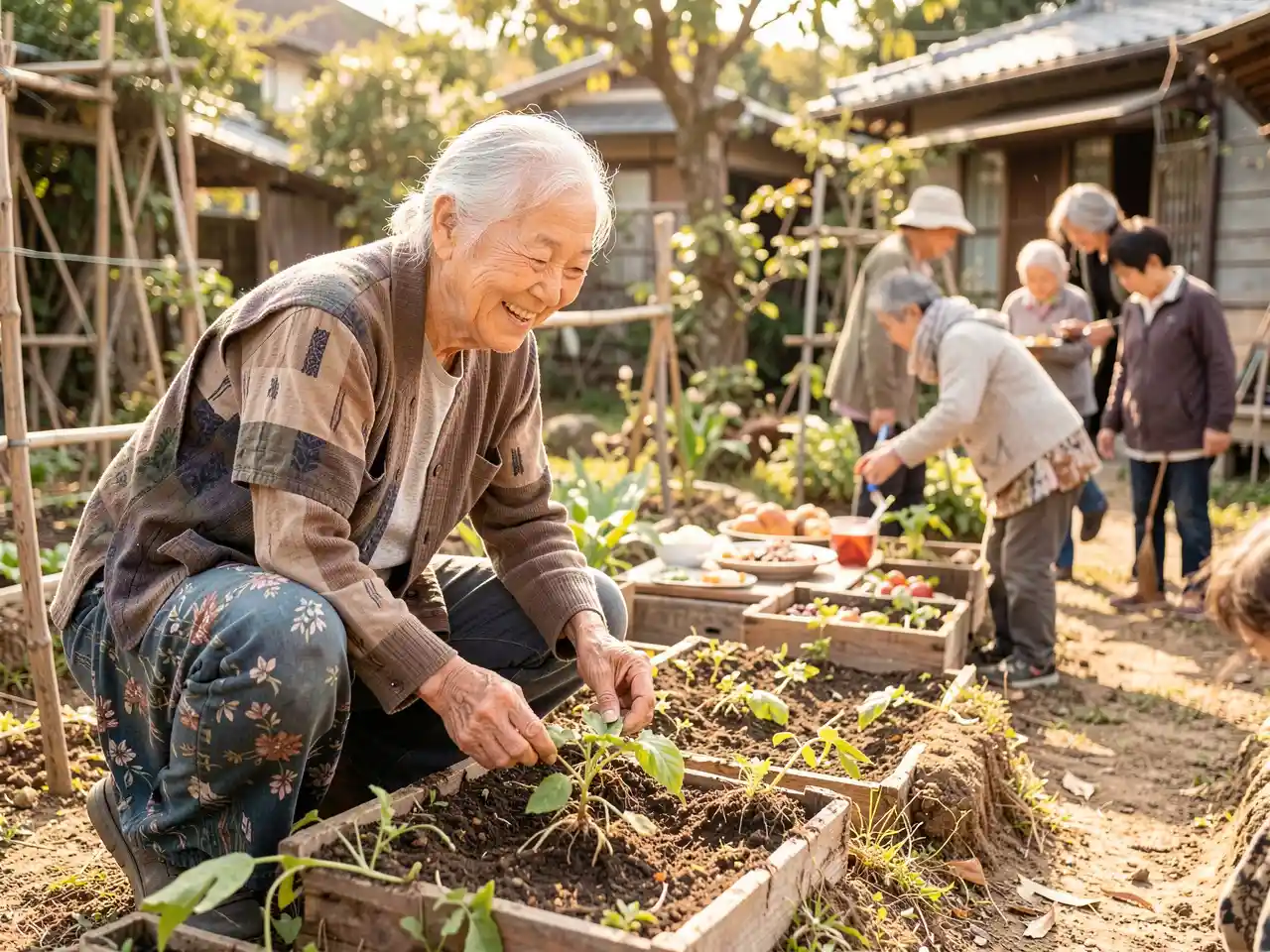
In Okinawa, longevity is not pursued as an outcome but cultivated as a way of life. This subtropical region has long been studied for its unusually high concentration of centenarians who maintain independence, mobility, and social engagement well into advanced age. What distinguishes Okinawa is not only lifespan, but healthspan - the ability to live meaningfully and actively across decades.
Cultural practices such as ikigai (purpose), moai (social networks), and Hara Hachi Bu (moderation in eating) form an integrated system that sustains both physical and psychological well-being. In this sense, Okinawa represents a living model of how longevity emerges from the alignment of purpose, community, and daily practice.
Sardinia, Italy
In the mountainous regions of Sardinia, longevity is shaped by terrain, tradition, and tightly woven social structures. This Mediterranean island is particularly notable for its high proportion of male centenarians - an anomaly in global ageing patterns.
Daily life is physically demanding yet natural, with residents walking long distances, tending livestock, and remaining active well into old age. Equally important is a cultural fabric that honors elders, reinforcing their role within family and community life. Sardinia demonstrates that longevity is not only biological, but deeply influenced by environment, movement, and social value systems.
Nicoya Peninsula, Costa Rica
In the Nicoya Peninsula, longevity is grounded in simplicity, resilience, and a deeply rooted sense of purpose. Residents often remain active well into their nineties and beyond, supported by strong family ties and a culture that integrates older adults into daily life.
The concept of plan de vida, or life purpose, provides psychological orientation across the lifespan. Combined with a nutrient-rich diet and consistent physical activity through daily tasks, these factors support sustained vitality. Nicoya reveals that longevity is not the result of complexity, but of consistency in meaningful living.
Ikaria, Greece
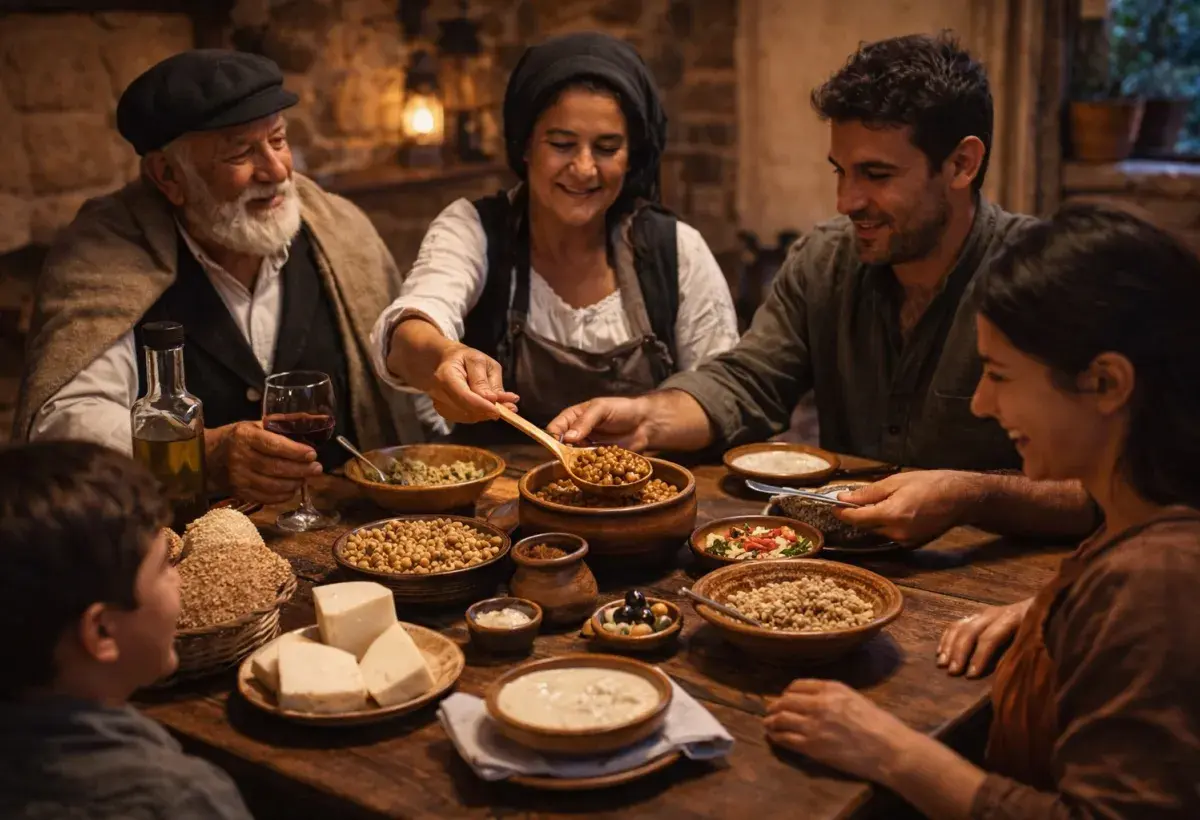
On the island of Icaria, longevity unfolds within a culture defined by rhythm, restoration, and social connection. Known for its low rates of chronic disease and dementia, Ikaria offers insight into the role of stress regulation in healthy ageing.
Daily life follows a natural pace, with frequent social gatherings, afternoon rest, and diets rich in vegetables, legumes, and olive oil. Rather than structured intervention, health emerges from an environment that minimizes chronic stress and sustains connection. Ikaria illustrates that longevity may be preserved not through acceleration, but through balance and rhythm.
Loma Linda, California
In Loma Linda, longevity is shaped by a distinct integration of faith, lifestyle, and community structure. This population, largely composed of Seventh-day Adventists, demonstrates how belief systems can influence long-term health outcomes.
Residents commonly follow plant-based diets, abstain from harmful substances, and engage in regular physical activity. Their emphasis on rest, service, and social cohesion reinforces both physical and psychological well-being. Loma Linda provides a compelling example of how longevity can be intentionally cultivated through values-driven living.
Image

Common Patterns Across Blue Zones
Across all Blue Zones, a consistent pattern emerges: longevity is not the product of isolated habits, but of integrated ways of living.
Diets are predominantly plant-based, centered on vegetables, legumes, and whole grains, while processed foods and excess meat consumption remain minimal. Physical activity is not structured as exercise, but naturally embedded in daily routines through walking, farming, and household tasks. Social connections are sustained and intentional, reducing chronic stress and providing emotional stability. Underlying these behaviors is a clear sense of purpose, reinforcing psychological resilience and long-term health.
These interconnected factors contribute to lower rates of cardiovascular disease, dementia, and other chronic conditions. Evidence from peer-reviewed research, mortality data, and biomarker studies consistently supports the association between these patterns and extended healthspan.
Importantly, longevity in these regions is not defined solely by years lived, but by the quality of those years. Older adults remain mentally sharp, socially engaged, and physically capable well into advanced age.
Lessons for a Purpose-Driven Life
The relevance of Blue Zone insights extends beyond geography. These practices are not exclusive: they are adaptable.
Longevity can be cultivated through consistent, everyday choices: prioritizing plant-forward nutrition, maintaining natural movement, strengthening social ties, and sustaining a sense of purpose.
These insights are particularly significant in the context of retirement. A longevity-informed approach reframes retirement not as withdrawal, but as continued engagement. Meaningful relationships, community participation, purposeful daily activities, and rhythm-based living form the foundation of a life that remains active and fulfilling.
Health, in this sense, is not preserved through intervention alone, but through sustained participation in life.
Centenarians across Blue Zones demonstrate that ageing is not defined by decline, but by continuity of purpose, connection, and contribution.
Image
Note: This paper advances the position that longevity is not solely a biomedical outcome, but a structural and cultural phenomenon shaped by social integration, purpose, and environmental design.
Conclusion
Taken together, Okinawa, Sardinia, Nicoya, Ikaria, and Loma Linda offer a unified insight: longevity is not merely genetic, but profoundly shaped by lifestyle, culture, and social environment.
These regions demonstrate that a long life is not achieved through complexity, but through consistency - plant-rich diets, natural movement, strong social bonds, stress regulation, and a sustained sense of purpose.
These lessons are universal. By aligning daily habits with these enduring principles, individuals can live not only longer, but better. Longevity, ultimately, is not simply about adding years to life, but about adding life to those years.
Image

About the Author: Written by Dr. Mariza Lendez, developer of the IKIGAI-BAYANIHAN Purpose-Driven Retirement Model - a framework for purposeful, community-centered ageing.
Explore the Ikigai-Bayanihan Retirement Model presented by Chikicha Co-founder:
https://www.chikicha.com/chikicha-co-founder-present-ikigai-bayanihan-retirement-model-iafor-egen-2026