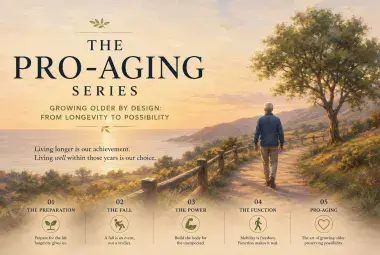
I. Redefining Longevity: From Observation to System
Over the past two decades, a small number of regions have drawn sustained scientific attention due to their unusually high concentrations of long-lived individuals. Popularized as “Blue Zones” by Dan Buettner, these regions; Okinawa, Sardinia, Nicoya, Icaria, and Loma Linda have been examined through demographic validation, mortality records, and interdisciplinary field research. What began as observational inquiry has gradually evolved into a deeper investigation of the structural conditions that enable longevity to persist across generations.
Much of the existing literature has approached these regions descriptively, emphasizing diet, lifestyle, or cultural practices as primary explanatory variables. While these accounts provide valuable insight, they often isolate individual factors without fully accounting for the broader systems in which these behaviors are embedded. A more integrative reading of the evidence suggests that longevity in these regions cannot be reduced to discrete habits alone, but must be understood as the outcome of coordinated, reinforcing conditions.
Across diverse geographies and cultural contexts, a consistent pattern emerges. Environment, daily practice, social structure, and psychological meaning do not operate independently; rather, they function in alignment across the lifespan. This alignment produces stability in behavior, continuity in identity, and resilience in health outcomes. Longevity, in this sense, is not incidental but structured.
This paper advances the position that longevity is not merely a biological outcome, but a systemic phenomenon shaped by sustained human behavior within supportive cultural and environmental frameworks.
Image
II. The Five Longevity Models
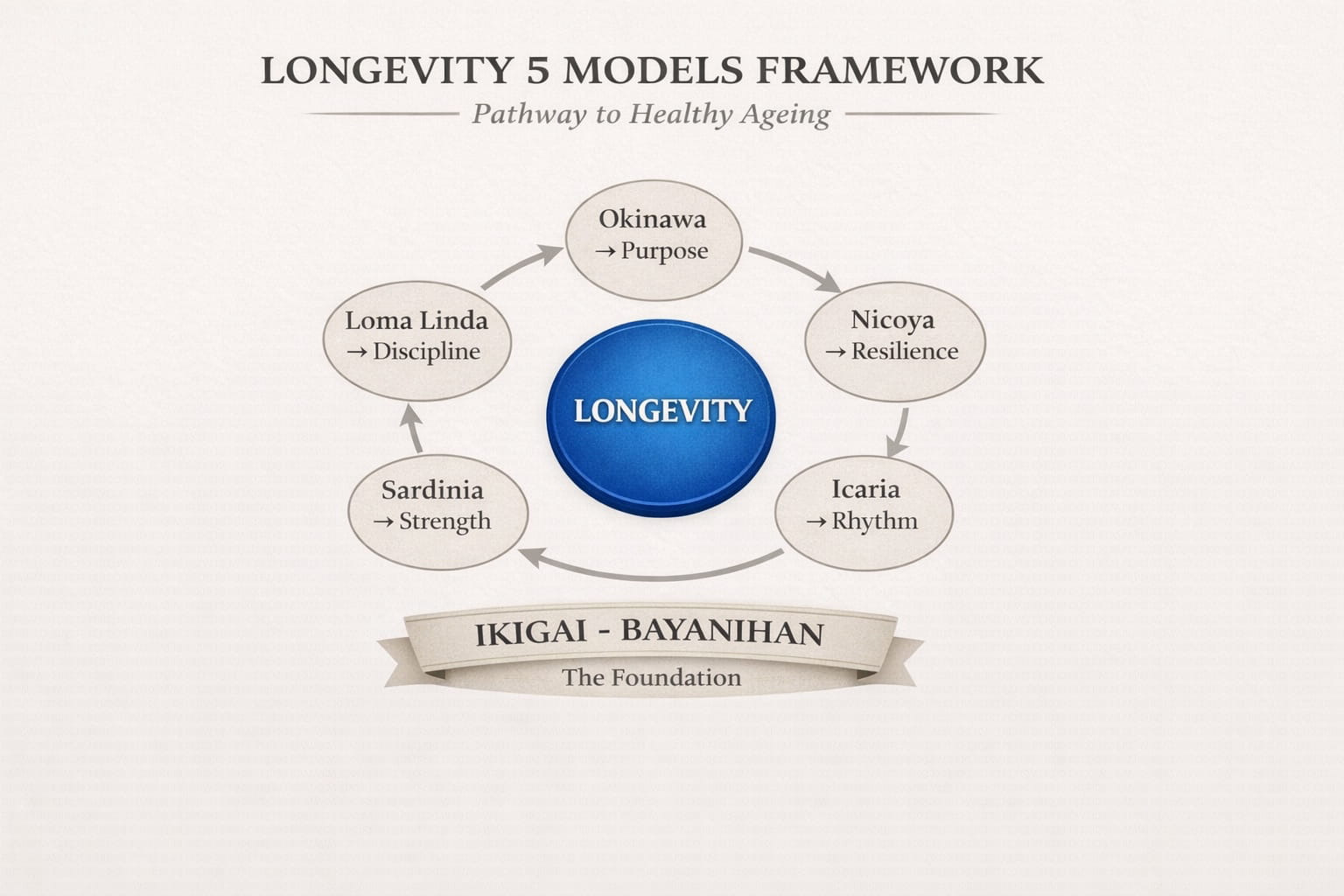
Rather than treating Blue Zones as isolated case studies, they can be understood as distinct expressions of underlying longevity pathways. Each region reflects a dominant organizing principle through which long life is sustained, offering a more structured interpretation of how longevity operates in practice.
The Okinawa Model: Longevity Through Purpose
In Okinawa, longevity is closely associated with ikigai, or a sustained sense of purpose that extends across the lifespan. Research showed that individuals with a strong sense of purpose exhibit lower mortality risk and better cognitive outcomes (Sutin et al., 2021; Alimujiang et al., 2019). This relationship reflects the role of psychological meaning as a stabilizing force in both behavioral consistency and physiological resilience.
Social structures such as moai (lifelong support networks), alongside dietary practices like Hara Hachi Bu (moderation in eating), reinforce this foundation. These practices are not episodic but embedded within daily life, creating continuity in both social connection and metabolic regulation. Broader evidence further showed that social integration and a sustained sense of purpose are associated with improved health outcomes and reduced mortality (Holt-Lunstad et al., 2015; World Health Organization, 2023).
The Okinawa model demonstrates that longevity is strengthened when purpose is not episodic but continuous, supported by enduring social structures that reinforce identity and belonging over time.
The Nicoya Model: Longevity Through Resilience and Simplicity
In the Nicoya Peninsula, longevity emerges from simplicity, physical continuity, and a deeply embedded sense of purpose locally referred to as plan de vida. This orientation toward life reflects not abstraction but lived consistency, where meaning is integrated into daily routines rather than pursued as a separate objective.
Demographic research demonstrated lower mortality at advanced ages in Nicoya, even after controlling for socioeconomic variables (Rosero-Bixby & Dow, 2009). Despite relatively modest healthcare expenditure, Costa Rica maintains strong longevity outcomes, suggesting that structural lifestyle factors play a decisive role in shaping health trajectories (World Bank, 2022).
Daily life in Nicoya is characterized by natural movement, plant-based nutrition, and multigenerational social integration. These elements do not function independently but operate as a coherent system, sustaining health through repetition, stability, and environmental alignment. Longevity, in this context, is maintained not through optimization, but through continuity.
The Icaria Model: Longevity Through Rhythm and Regulation
On the island of Icaria, longevity is closely tied to rhythm specifically the alignment of daily life with natural cycles of activity and rest. This temporal structure shapes behavior in ways that reduce physiological stress and support long-term regulation.
Dietary patterns consistent with the Mediterranean model have been associated with reduced cardiovascular and mortality risk (Estruch et al., 2018). At the same time, social cohesion and reduced chronic stress are recognized as critical factors in long-term health (Holt-Lunstad et al., 2015; World Health Organization, 2023). These findings suggest that biological outcomes are closely linked to the regulation of daily life rather than isolated interventions.
The Icarian lifestyle, characterized by an unhurried pace, communal engagement, and restorative rest, demonstrates that longevity may be sustained through balance and regulation rather than intensity or intervention.
Image

The Sardinia Model: Longevity Through Strength and Social Value
In the mountainous regions of Sardinia, longevity is shaped by physical endurance, environmental demands, and the sustained social value attributed to older adults. Unlike many modern societies, ageing in Sardinia does not correspond with social withdrawal but with continued relevance.
Demographic studies identified unusually high concentrations of male centenarians in Sardinia, a rare global pattern that has drawn considerable research interest (Poulain et al., 2004). Daily life involves continuous physical activity through walking, herding, and manual labor, contributing to sustained functional strength.
Equally important is a cultural framework that preserves the dignity and identity of older individuals. The Sardinian model illustrates that longevity is supported not only by physical vitality but by social structures that maintain recognition and purpose across the lifespan.
The Loma Linda Model: Longevity Through Discipline and Intentional Living
In Loma Linda, longevity is shaped by intentional lifestyle choices grounded in shared values and reinforced through collective norms. The Seventh-day Adventist population has been extensively studied for its extended life expectancy and reduced risk of chronic disease (Orlich et al., 2013).
Key practices include plant-based nutrition, abstinence from tobacco and alcohol, regular physical activity, and structured rest. These behaviors are not individually driven but socially reinforced, creating a consistent alignment between belief systems and daily conduct.
The Loma Linda model demonstrates that longevity can be cultivated through disciplined adherence to values, where behavior is not reactive but guided by a coherent and sustained framework of living.
III. Cross-Model Synthesis: The Architecture of Longevity
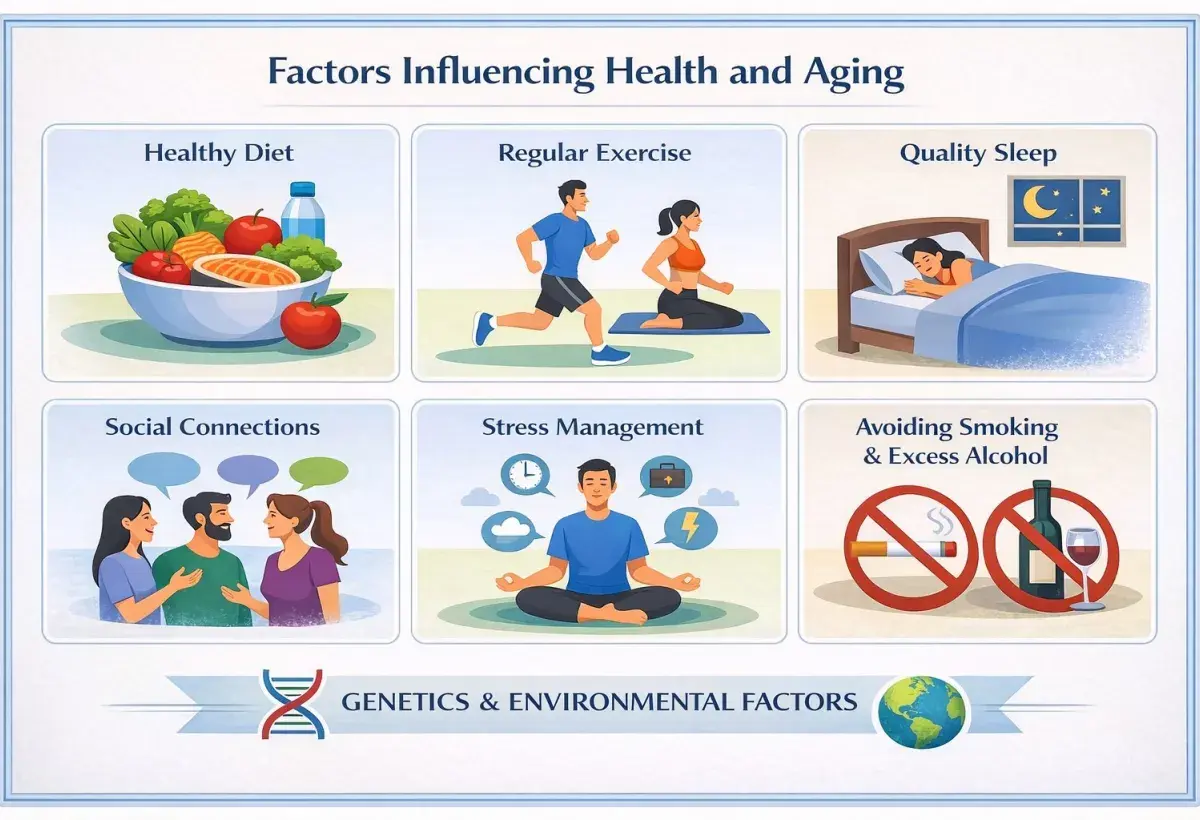
Despite geographic and cultural variation, the five models converge around a shared structural pattern. Longevity emerges where plant-forward nutrition supports metabolic health, where physical activity is naturally embedded in daily life, where strong social structures reinforce identity, and where a sustained sense of purpose supports psychological resilience.
These patterns are consistently associated with reduced mortality, lower incidence of chronic disease, and extended healthspan (Holt-Lunstad et al., 2015; Livingston et al., 2020; World Health Organization, 2023). The consistency of these findings across diverse contexts suggests that longevity is not dependent on any single factor, but on the integration of multiple reinforcing conditions.
What distinguishes these regions is not the presence of unique behaviors, but the coherence of the systems within which those behaviors are sustained. Biology, in this context, follows structure.
Image
IV. From Observation to Design: The IKIGAI-BAYANIHAN Framework
While Blue Zones represent organically evolved systems, modern societies rarely reproduce such conditions naturally. Urbanization, technological change, and shifting social structures have disrupted many of the patterns that historically supported long, healthy lives. This creates a structural gap between what research has demonstrated and what contemporary environments enable.
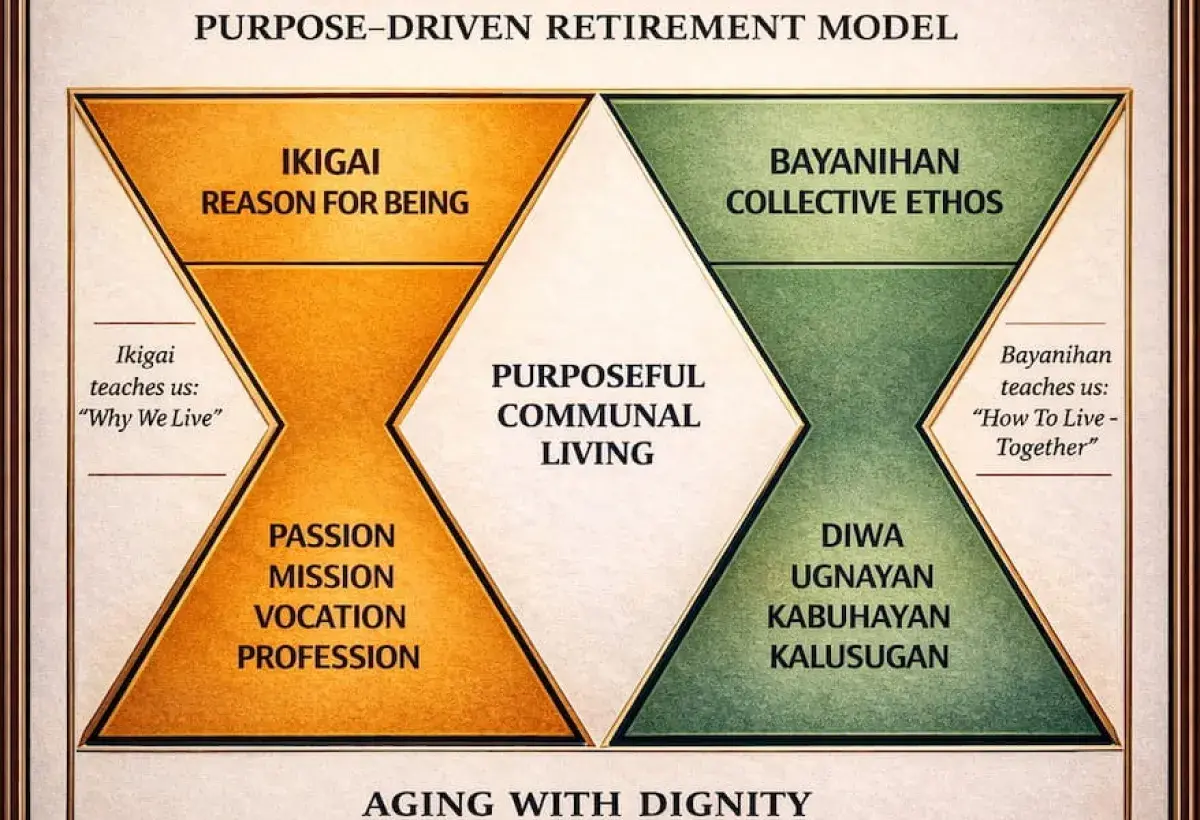
The IKIGAI–BAYANIHAN Purpose-Driven Retirement Model addresses this gap by translating observed longevity systems into a structured, scalable framework. It integrates ikigai as the internal driver of purpose and meaning, and bayanihan a Filipino ethos of collective responsibility, as the social infrastructure that sustains it.
Together, these elements reposition longevity from an individual pursuit to a system-supported outcome. This approach aligns with global ageing frameworks advanced by the World Health Organization and the United Nations, particularly in their emphasis on functional ability, social participation, and continued contribution (World Health Organization, 2020; United Nations, 2002; United Nations Economic Commission for Europe, 2022).
V. Conclusion
The Blue Zones have long been studied as exceptional cases of human longevity. Their deeper significance, however, lies not in their exceptionality, but in what they reveal about the structural conditions under which long, healthy lives become possible.
Okinawa, Nicoya, Icaria, Sardinia, and Loma Linda demonstrate that longevity is not merely genetic, nor purely medical. It is the product of integrated systems where behavior, environment, culture, and purpose operate in alignment across time.
These systems are not beyond reach. They can be understood, adapted, and intentionally designed.
The future of healthy ageing will depend not solely on advances in medicine, but on how effectively societies reconstruct the conditions that allow individuals to live with continuity, purpose, and social connection across the lifespan. Longevity, in this light, is not an outcome to be pursued in isolation, but a system to be built—deliberately and collectively.
Image
Suggested Citation: Lendez, M. (2026). Longevity Models Framework: Purpose, resilience, rhythm, strength, and discipline in healthy ageing. Developed within the Ikigai-Bayanihan Purpose-Driven Retirement Framework.
About the Author: Written by Dr. Mariza Lendez, the developer of the Ikigai-Bayanihan Purpose-Driven Retirement Framework, a model that redefines aging through purpose, dignity, and community-centered living.
Explore the Ikigai-Bayanihan Retirement Model presented by Chikicha Co-founder:
https://www.chikicha.com/chikicha-co-founder-present-ikigai-bayanihan-retirement-model-iafor-egen-2026
REFERENCES
Alimujiang, A., Wiensch, A., Boss, J., Fleischer, N. L., Mondul, A. M., McLean, K., & Mukherjee, B. (2019). Association between life purpose and mortality among US adults older than 50 years. JAMA Network Open, 2(5), e194270. https://doi.org/10.1001/jamanetworkopen.2019.4270
Buettner, D. (2012). The Blue Zones: Lessons for living longer from the people who’ve lived the longest. National Geographic Society.
Estruch, R., Ros, E., Salas-Salvadó, J., Covas, M. I., Corella, D., Arós, F., Gómez-Gracia, E., Ruiz-Gutiérrez, V., Fiol, M., Lapetra, J., Lamuela-Raventós, R. M., Serra-Majem, L., Pintó, X., Basora, J., Muñoz, M. A., Sorlí, J. V., Martínez, J. A., Martínez-González, M. A., & PREDIMED Study Investigators. (2018). Primary prevention of cardiovascular disease with a Mediterranean diet supplemented with extra-virgin olive oil or nuts. New England Journal of Medicine, 378(25), e34. https://doi.org/10.1056/NEJMoa1800389
Holt-Lunstad, J., Smith, T. B., Baker, M., Harris, T., & Stephenson, D. (2015). Loneliness and social isolation as risk factors for mortality: A meta-analytic review. Perspectives on Psychological Science, 10(2), 227–237. https://doi.org/10.1177/1745691614568352
Orlich, M. J., Singh, P. N., Sabaté, J., Jaceldo-Siegl, K., Fan, J., Knutsen, S., Beeson, W. L., & Fraser, G. E. (2013). Vegetarian dietary patterns and mortality in Adventist Health Study 2. JAMA Internal Medicine, 173(13), 1230–1238. https://doi.org/10.1001/jamainternmed.2013.6473
Poulain, M., Pes, G. M., Grasland, C., Carru, C., Ferrucci, L., Baggio, G., Franceschi, C., Deiana, L., & Sardinia Study Group. (2004). Identification of a geographic area characterized by extreme longevity in the Sardinia island: The AKEA study. Experimental Gerontology, 39(9), 1423–1429. https://doi.org/10.1016/j.exger.2004.06.016
Rosero-Bixby, L., & Dow, W. H. (2009). Surprising SES gradients in mortality, health, and biomarkers in a Latin American population of adults. Journals of Gerontology Series B: Psychological Sciences and Social Sciences, 64B(1), 105–117. https://doi.org/10.1093/geronb/gbn004
Sutin, A. R., Luchetti, M., Stephan, Y., & Terracciano, A. (2021). Sense of purpose in life and mortality across adulthood. Psychological Science, 32(6), 939–951. https://doi.org/10.1177/0956797621994499
United Nations. (2002). Madrid International Plan of Action on Ageing. United Nations.
United Nations Economic Commission for Europe. (2022). Ageing policies in the UNECE region: Implementation of the Madrid International Plan of Action on Ageing. UNECE.
World Bank. (2022). World development indicators: Life expectancy and health outcomes. https://data.worldbank.org
World Health Organization. (2020). Decade of healthy ageing: Baseline report. World Health Organization.
World Health Organization. (2023). Social determinants of health and well-being among older populations. World Health Organization.