Part 3 of the SILVER CHALLENGES AND OPPORTUNITIES Series
The Unseen Architects of Connection
We live in an era defined by constant communication yet diminishing human connection. Digital platforms allow instantaneous interaction, but they rarely cultivate depth. Families remain in contact but seldom in communion. Communities exist in proximity but not in relationship. The result is a paradox: a hyperconnected society experiencing widespread emotional fragmentation.
Within this landscape, older adults represent an underutilized social resource. Far from being passive dependents, they function as living repositories of experience, continuity, and emotional intelligence. Their role is not retrospective but connective - linking generational memory with present realities and future uncertainties.
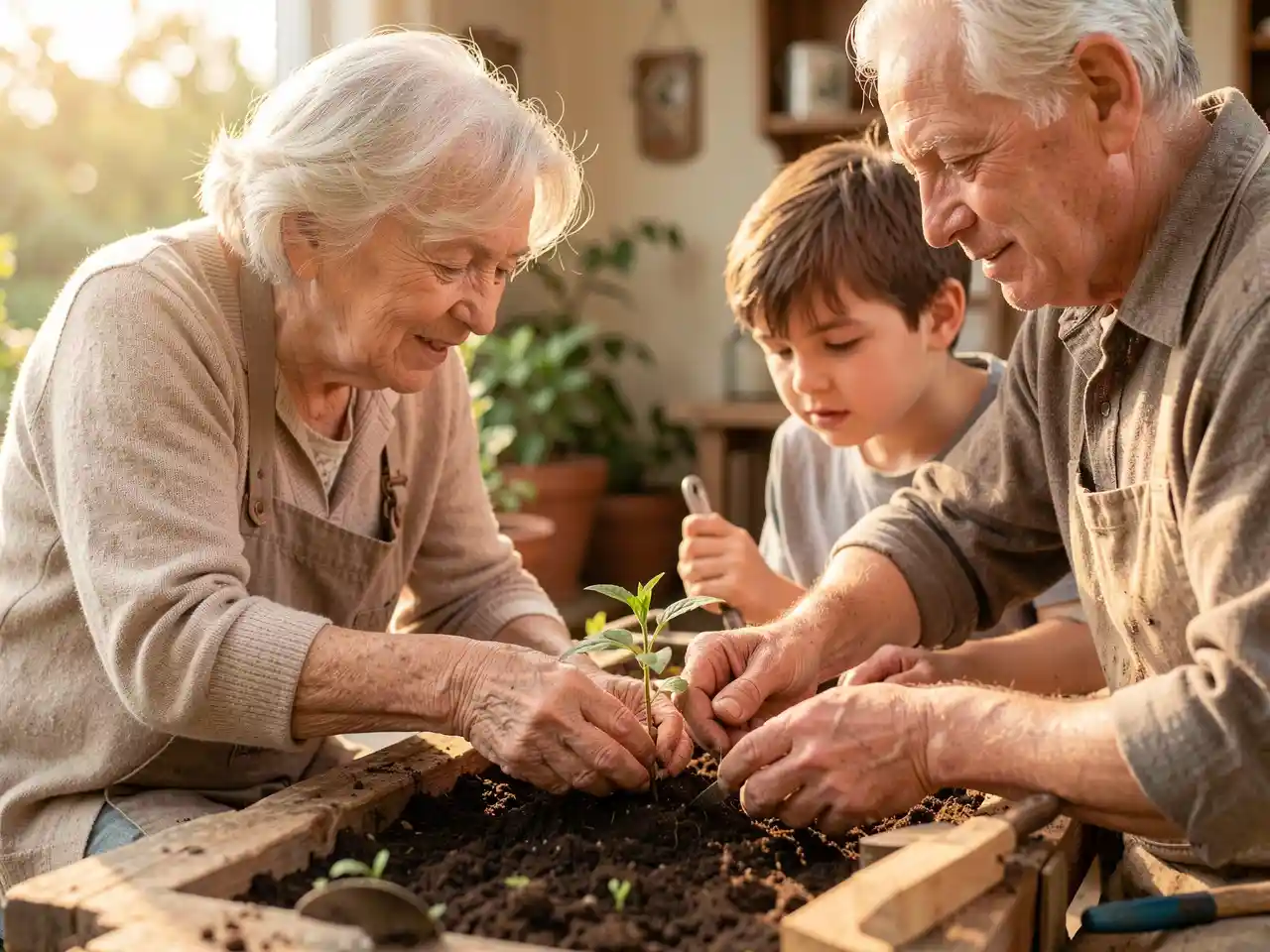
Empirical evidence supports this reframing. Research associated with Harvard University and longitudinal studies in aging demonstrate that meaningful intergenerational engagement improves psychological well-being among youth while simultaneously enhancing life satisfaction among older adults (Pillemer et al., 2022). These findings position older adults not as peripheral actors, but as central contributors to social cohesion.
Intergenerational Connection as a Social Stabilizer
Loneliness has emerged as a defining public health concern across age groups. Recent reports indicate that younger populations, particularly Generation Z, experience high levels of perceived isolation despite digital immersion. At the same time, older adults face structural and social separation due to retirement and changing family dynamics.
Intergenerational engagement offers a measurable solution. According to AARP (2022), older adults involved in structured intergenerational programs exhibit significantly lower rates of depression and improved emotional well-being. Parallel findings from World Health Organization (2021; 2023) identify social participation as a key determinant of healthy aging and mental resilience.
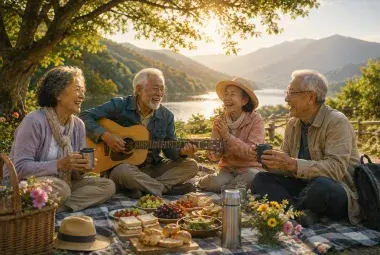
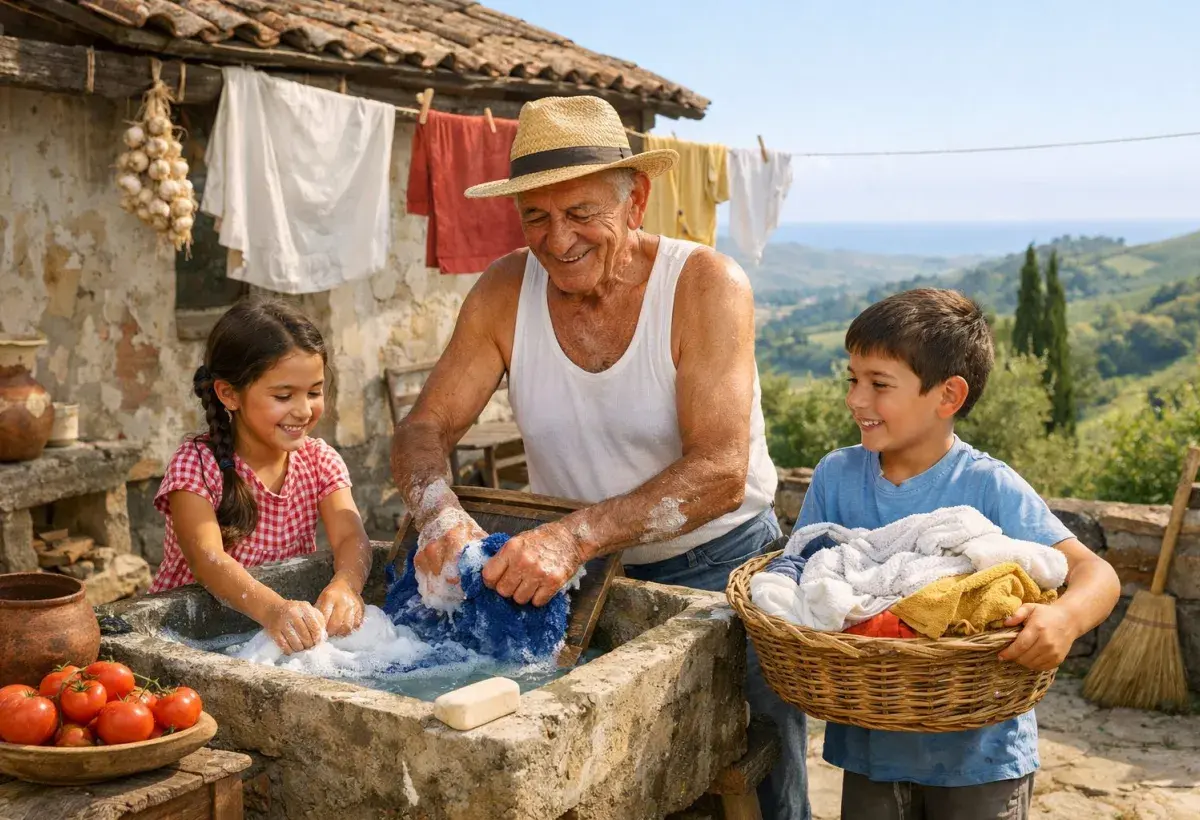
These interactions are not merely beneficial but corrective. They address systemic disconnection by restoring reciprocal roles: the young gain guidance and perspective, while older adults regain relevance and purpose.
Image
Wisdom Transfer and the Reduction of Social Fragmentation
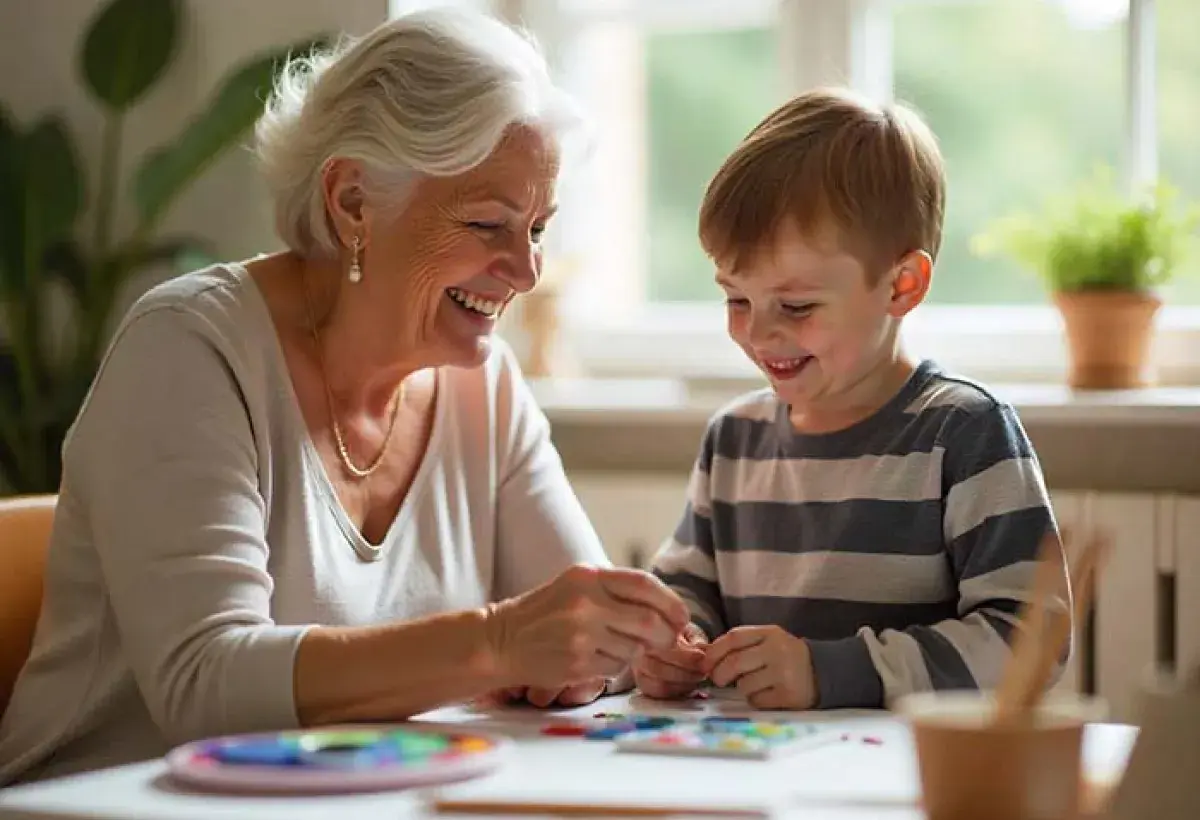
One of the most overlooked functions of aging populations is the transmission of tacit knowledge - skills, values, and adaptive strategies developed through lived experience. Unlike formal education, this form of knowledge transfer is relational and context-rich.
Programs documented by Generations United (2021) show that sustained interaction between youth and older mentors significantly reduces age-based bias while strengthening mutual understanding. In Japan, the integration of retirees into community-based teaching roles through Silver Human Resource Centers has preserved cultural practices while maintaining cognitive and social engagement among seniors.
This exchange functions as a form of social resilience. It equips younger generations with coping mechanisms grounded in real-world experience, while reinforcing the societal value of older adults beyond economic productivity.
Cognitive and Economic Value of Purposeful Aging
Engagement in meaningful roles has direct implications for cognitive health. The Experience Corps model, as established by Fried et al. (2004), demonstrated that older adults participating in volunteer-based educational programs showed improvements in cognitive function and physical activity.
Subsequent research has reinforced these findings. Studies cited by Johns Hopkins Medicine indicate that sustained social and intellectual engagement can delay cognitive decline and contribute to healthier aging trajectories. Additionally, the World Health Organization (2023) highlights that investments in active aging and community participation can significantly reduce long-term healthcare and dementia-related costs.
The implication is clear: aging populations are not economic liabilities when properly integrated into social systems. They are, in fact, assets that generate both social and economic returns.
Image
Structural Separation and the Need for Redesign
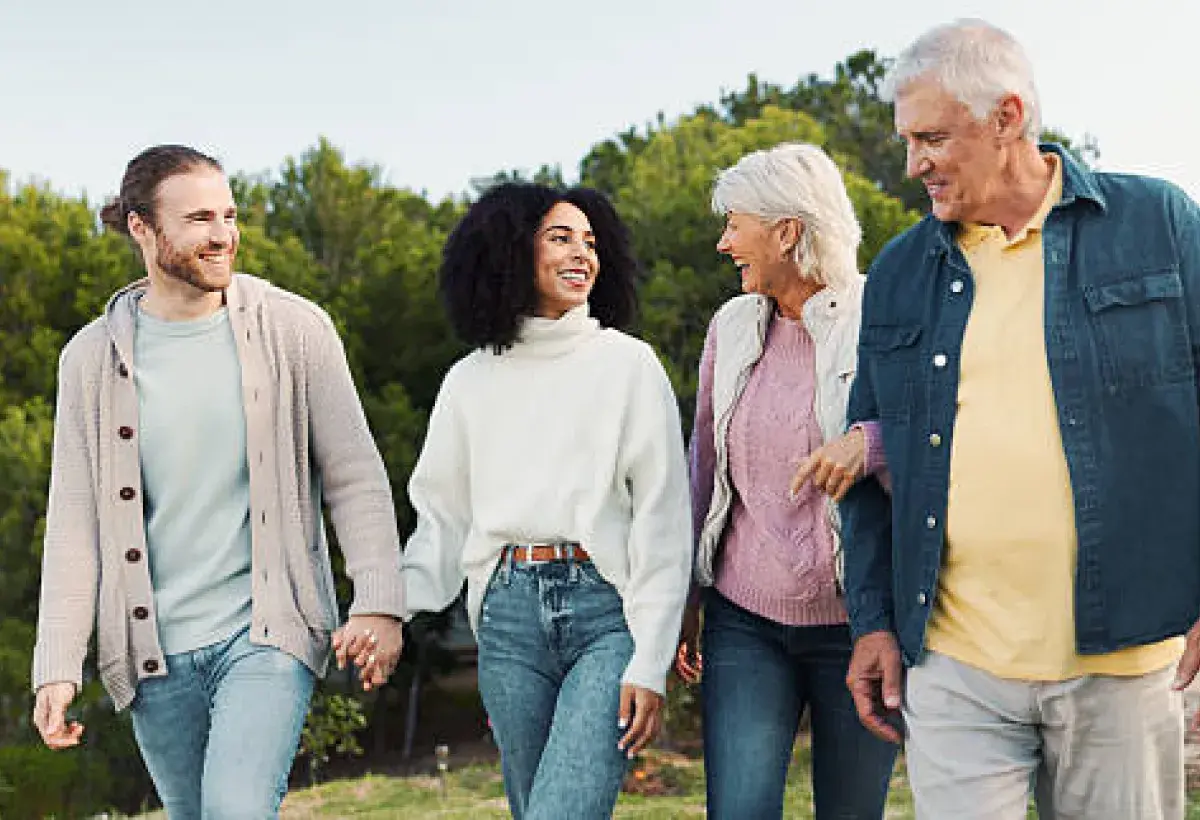
The marginalization of older adults is not an inevitable outcome of aging, but a consequence of modern social design. Educational systems, housing models, and workplace structures have increasingly segmented populations by age, limiting opportunities for interaction.
However, alternative models demonstrate that reintegration is both feasible and beneficial. Intergenerational co-living initiatives in Europe, such as the Humanitas model in the Netherlands, have shown improvements in well-being for both students and older residents. Policy mechanisms, including employment incentives for older workers in countries like Singapore, further illustrate how systemic adjustments can enhance both productivity and social cohesion.
Reframing aging requires not only attitudinal change but structural innovation. Societies must move from age segregation toward age integration as a foundational principle.
Conclusion: Reframing Aging as Social Infrastructure
The prevailing narrative that equates aging with decline is increasingly misaligned with both demographic realities and empirical evidence. Older adults represent a form of social infrastructure—supporting continuity, stabilizing communities, and transmitting knowledge across generations.
Positioning them as “bridges” is not metaphorical but functional. They connect fragmented social systems, restore intergenerational dialogue, and reinforce the human dimensions often lost in technologically driven environments.
A society that integrates its aging population does not merely improve outcomes for older adults—it enhances resilience, cohesion, and long-term sustainability for all.
Image
Suggested citation
Lendez, M. (2026). From burden to bridge: How aging can mend a fractured society (Part 3 of the Silver Challenges and Opportunities Series). Developed within the Ikigai-Bayanihan Purpose-Driven Retirement Framework.
Explore the Ikigai-Bayanihan Retirement Model presented by Chikicha Co-founder:
https://www.chikicha.com/chikicha-co-founder-present-ikigai-bayanihan-retirement-model-iafor-egen-2026
REFERENCES
AARP. (2022). Intergenerational engagement and mental well-being among older adults.
Fried, L. P., et al. (2004). A social model for health promotion for an aging population: Experience Corps. Journal of Urban Health, 81(1), 64–78.
Generations United. (2021). The benefits of intergenerational connections.
Pillemer, K., Fuller-Rowell, T. E., Reid, M. C., & Wells, N. M. (2022). Environmental volunteering and health outcomes over 20 years. The Gerontologist, 62(5), 698–708.
World Health Organization. (2021). Global report on ageism.
World Health Organization. (2023). Decade of Healthy Ageing: Progress report.
Johns Hopkins Medicine. (2020). The impact of social engagement on cognitive health.