Chikicha Health - The Basics People Ignore A 3-Part Series: Part 1: Sleep Is Not Rest. It Is Repair. | Part 2: No One Is Coming to Save Your Health — And That’s Good News | Part 3: What You Do Daily Becomes Who You Become
Sleep Is Not Rest but Repair - What you ignore at night determines how you function during the day
This article opens the series Chikicha Health: The Basics People Ignore, a body of work that examines the ordinary behaviors shaping long-term human health. Rather than approaching well-being as a reaction to illness, the series reframes health as a function of daily patterns that accumulate over time.
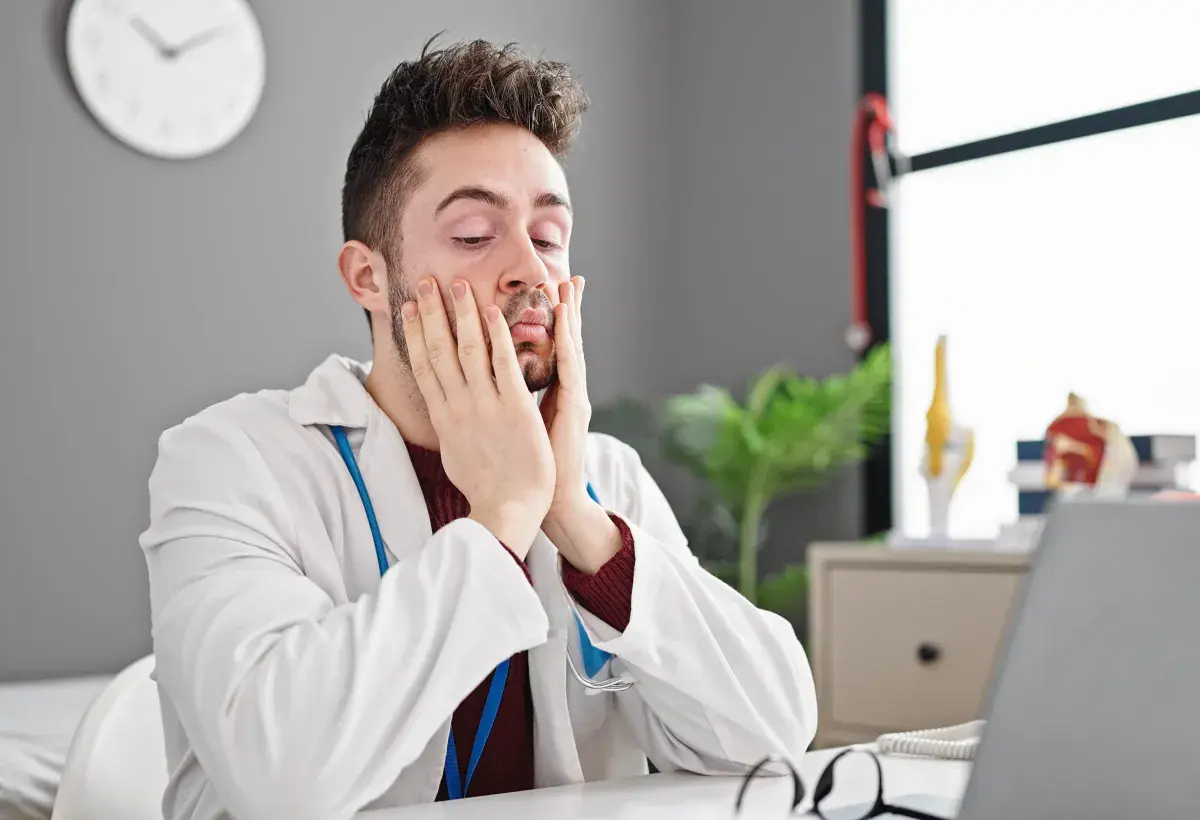
Among these, sleep remains one of the most underestimated determinants of physiological stability. In contemporary life, it is frequently treated as negotiable that can be adjusted to schedules, postponed for obligations, and sacrificed for productivity. The human body, however, does not interpret sleep as optional; it operates as a biological requirement governed by internal regulatory systems (Walker, 2017).
The persistence of this misunderstanding reflects a deeper misalignment between modern lifestyles and human physiology. While productivity has become a dominant cultural metric, the biological processes that sustain it remain largely invisible. Sleep, in this context, is often perceived as inactivity, despite its critical role in maintaining systemic balance. This disconnect has contributed to a widespread undervaluation of one of the most essential processes for human functioning.
The Normalization of Sleep Deprivation
We are living in an era where insufficient sleep has become both widespread and socially accepted. Large-scale epidemiological research has consistently shown that a significant proportion of adults fail to achieve the recommended duration of sleep necessary for optimal health (Hirshkowitz et al., 2015). What was once considered fatigue is now frequently reframed as busyness, subtly shifting the perception of exhaustion from a warning signal to a cultural norm.
This transformation developed gradually, shaped by structural and technological changes. Extended work hours, increased digital exposure, and global connectivity have redefined the boundaries between activity and rest. Artificial lighting and screen-based engagement have further disrupted circadian rhythms, delaying sleep onset and reducing overall sleep duration (Czeisler, 2013). As a result, individuals often operate in a state of chronic sleep restriction without recognizing it as a deviation from healthy functioning.
Image
Sleep as a Biological Process of Repair
Sleep is not a passive state but an active, highly regulated biological process. During sleep, the brain engages in memory consolidation, metabolic clearance, and neural recalibration. Research in neuroscience has shown that sleep facilitates synaptic plasticity, allowing the brain to process and store information acquired during waking hours (Rasch & Born, 2013).
At the same time, sleep plays a critical role in hormonal regulation. Deep sleep stages have been associated with the release of growth hormone, which supports tissue repair and cellular regeneration. Disruption of sleep has been linked to impaired metabolic and endocrine function, reinforcing its role as a foundational biological process rather than a secondary activity (Van Cauter et al., 2008; Medic et al., 2017).
More recent analyses have further emphasized that insufficient sleep contributes to systemic inflammation and increases the risk of chronic conditions, including cardiovascular and metabolic diseases. These findings have been consistently reinforced in contemporary health literature, highlighting sleep as a central determinant of long-term health (Irwin, 2019).
Cultural Drift: How Modern Life Disrupted Natural Rhythms
Historically, human activity followed natural environmental cues, with daylight guiding wakefulness and darkness signaling rest. This alignment with circadian rhythms supported a balance between activity and recovery. In contrast, modern life has restructured these rhythms, often prioritizing continuous engagement over biological necessity.
Technology has played a central role in this shift. The widespread use of digital devices has extended cognitive and sensory stimulation into late hours, interfering with the body’s natural preparation for sleep. Exposure to artificial light, particularly blue light, has been shown to suppress melatonin production, delaying sleep onset and altering sleep quality (Chang et al., 2015). Consequently, the boundary between day and night has become increasingly blurred, leading to a misalignment between biological needs and behavioral patterns.
Why the Cycle Persists
The persistence of sleep deprivation is not solely a matter of behavior but also of perception. Sleep does not yield immediate, visible outcomes in the way that work or productivity does. Its benefits are internal, gradual, and often only recognized in their absence. This makes it easier to deprioritize, particularly in environments that reward visible output over physiological sustainability.
There is also a perceived sense of control associated with reducing sleep. Extending waking hours can create the illusion of increased productivity and time availability. However, research has consistently demonstrated that sleep deprivation impaired cognitive function, decision-making, and emotional regulation, ultimately reducing overall efficiency (Killgore, 2010). What appears as a gain in time is, in effect, a loss in performance quality and long-term capacity.
Image

The Accumulating Cost of Neglect
The consequences of insufficient sleep do not present themselves abruptly; they accumulate gradually, which makes them easier to dismiss. Reduced sleep has been associated with impairments in attention, memory, and executive function, alongside heightened emotional reactivity. These changes extend beyond individual performance, shaping how people communicate, respond to stress, and engage within their social environments.
Over time, the effects become more deeply embedded in the body’s systems. Chronic sleep deprivation has been linked to an increased risk of noncommunicable diseases, including cardiovascular conditions, metabolic disorders, and mental health disturbances (Medic et al., 2017; World Health Organization [WHO], 2023). More recent population-level evidence has further reinforced these associations, identifying insufficient sleep as a contributing factor in cardiometabolic disease and long-term health decline (Centers for Disease Control and Prevention [CDC], 2022; American Heart Association, 2022). The same body that is continuously deprived of restoration is expected to sustain productivity, manage complexity, and eventually benefit from long-term effort. When recovery is compromised, the capacity to fully experience and sustain these outcomes is also diminished.
Reframing Sleep as Foundational to Function
A growing body of research has reinforced the role of sleep as a central pillar of health rather than a secondary activity. Adequate sleep has been consistently associated with improved cognitive performance, emotional regulation, and overall physiological resilience (Watson et al., 2015). More recent frameworks have further elevated its importance, formally recognizing sleep as a core component of overall health and cardiovascular well-being (American Heart Association, 2022; World Health Organization [WHO], 2023).
Reframing sleep requires a fundamental shift in perspective. It is not time lost, but a biological investment that enables all waking functions to operate effectively. When sleep is understood as an active contributor to performance, its role becomes not supplementary but foundational. Aligning behavior with this reality is not merely a matter of discipline, but of recognizing the limits and needs of the human system itself.
Conclusion
Sleep is not simply the end of the day; it is the process that prepares the body for what follows. It restores what has been depleted, repairs what has been strained, and recalibrates the systems that sustain daily life. When sleep is consistently reduced, the resulting deficits accumulate quietly, often unnoticed until they begin to interfere with function, health, and overall quality of life.
In a culture that prioritizes output, protecting sleep requires conscious awareness and deliberate choice. It may not present itself as urgent, but its consequences are enduring. As this series continues, the focus extends beyond restoration toward input, because if sleep determines how the body recovers, then what we provide the body during waking hours becomes equally decisive.
The basics are not simple; they are essential.The basics are not simple; they are essential.
Image

Suggested Citation
Lendez, M. (2026). Chikicha health: The basics people ignore (Part 1): Sleep is not rest but repair-What you ignore at night determines how you function during the day. Chikicha Health Series.
About the Author
Dr. Mariza Lendez is the developer of the Ikigai-Bayanihan Purpose-Driven Retirement Framework, a model that redefines aging through purpose, dignity, and community-centered living.
Chikicha Health - The Basics People Ignore A 3-Part Series
👉 Part 1: Sleep Is Not Rest. It Is Repair.
👉 Part 2: No One Is Coming to Save Your Health — And That’s Good News
👉 Part 3: What You Do Daily Becomes Who You Become
References
Alhola, P., & Polo-Kantola, P. (2007). Sleep deprivation: Impact on cognitive performance. Neuropsychiatric Disease and Treatment, 3(5), 553–567.
American Heart Association. (2022). Life’s essential 8: Updating and enhancing the American Heart Association’s construct of cardiovascular health. Circulation, 146(5), e18–e43. https://doi.org/10.1161/CIR.0000000000001078
Besedovsky, L., Lange, T., & Born, J. (2021). Sleep and immune function. Physiological Reviews, 101(3), 1325–1367. https://doi.org/10.1152/physrev.00009.2020
Centers for Disease Control and Prevention. (2022). Sleep and sleep disorders. https://www.cdc.gov/sleep
Chang, A.-M., Aeschbach, D., Duffy, J. F., & Czeisler, C. A. (2015). Evening use of light-emitting eReaders negatively affects sleep, circadian timing, and next-morning alertness. Proceedings of the National Academy of Sciences, 112(4), 1232–1237. https://doi.org/10.1073/pnas.1418490112
Czeisler, C. A. (2013). Casting light on sleep deficiency. Nature, 497(7450), S13. https://doi.org/10.1038/497S13a
Hirshkowitz, M., Whiton, K., Albert, S. M., et al. (2015). National Sleep Foundation’s sleep time duration recommendations: Methodology and results summary. Sleep Health, 1(1), 40–43. https://doi.org/10.1016/j.sleh.2014.12.010
Irwin, M. R. (2015). Why sleep is important for health: A psychoneuroimmunology perspective. Annual Review of Psychology, 66, 143–172. https://doi.org/10.1146/annurev-psych-010213-115205
Killgore, W. D. S. (2010). Effects of sleep deprivation on cognition. Progress in Brain Research, 185, 105–129. https://doi.org/10.1016/B978-0-444-53702-7.00007-5
Medic, G., Wille, M., & Hemels, M. E. H. (2017). Short- and long-term health consequences of sleep disruption. Nature and Science of Sleep, 9, 151–161. https://doi.org/10.2147/NSS.S134864
Watson, N. F., Badr, M. S., Belenky, G., et al. (2015). Recommended amount of sleep for a healthy adult: A joint consensus statement. Sleep, 38(6), 843–844. https://doi.org/10.5665/sleep.4716
Walker, M. (2017). Why we sleep: Unlocking the power of sleep and dreams. Scribner.
World Health Organization. (2023). Reducing risks and detecting early to prevent and manage noncommunicable diseases. https://www.who.int
Xie, L., Kang, H., Xu, Q., et al. (2013). Sleep drives metabolite clearance from the adult brain. Science, 342(6156), 373–377. https://doi.org/10.1126/science.1241224