Part of the SILVER MIGRATION Series
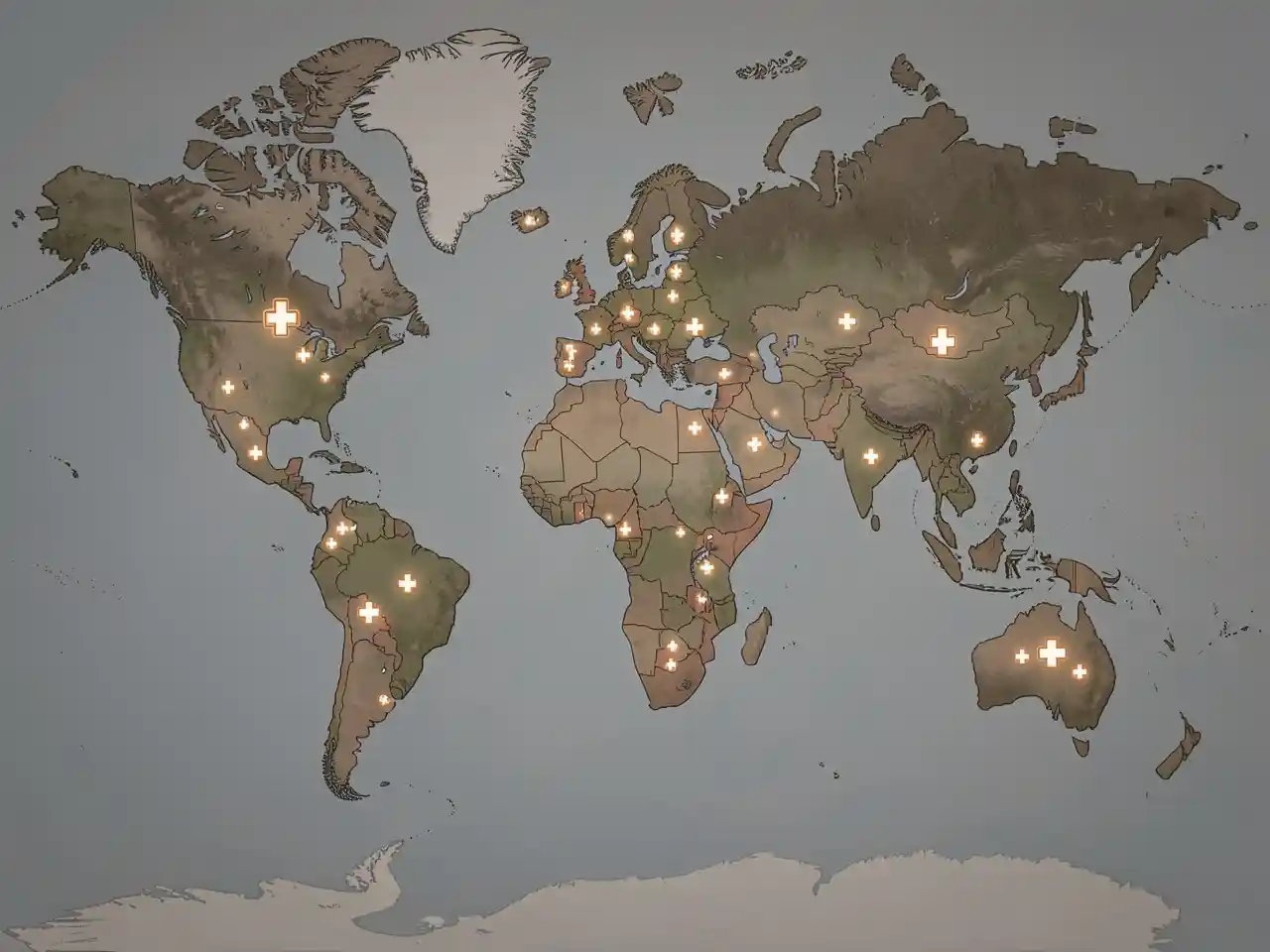
A World Growing Older, Faster
Population aging is no longer confined to high-income countries. The United Nations (2023) projected that by 2050, one in six people globally will be over the age of 60, marking a profound demographic shift with far-reaching implications for economies, healthcare systems, and social protection structures.
While aging presents challenges, it also offers opportunities for innovation, policy reform, and new social models. Examining how the world’s oldest societies are responding provides valuable insights for younger countries, including the Philippines, that are approaching similar transitions.
1. JAPAN: THE SUPER-AGED SOCIETY
Unique Challenge: Rapid aging, rural depopulation, and rising vacant housing.
Response: The Statistics Bureau of Japan (2023) reported that policies encouraged rural revitalization while investing in robotics and assistive eldercare technologies.
Global Impact: Japan emerged as a leader in “Silver Tech,” exporting care innovations globally.
Lesson: Maximize underutilized assets while integrating technology.
Source: Statistics Bureau of Japan (2023)
Image

2. ITALY: INTERGENERATIONAL IMBALANCE
Unique Challenge: Aging population with labor market pressures on younger generations.
Response: Eurostat (2023) indicated reforms including raising retirement age and promoting intergenerational programs.
Global Impact: Italy became a case study in balancing pensions and youth employment.
Lesson: Align aging policy with intergenerational equity.
Source: Eurostat (2023)
Image

3. GERMANY: REGIONAL DISPARITIES IN CARE
Unique Challenge: Uneven distribution of care infrastructure across regions.
Response: The Federal Statistical Office of Germany (2023) reported workforce expansion strategies and adaptable care systems.
Global Impact: Germany influenced labor mobility policies for aging societies.
Lesson: Address regional inequalities early.
Source: Destatis (2023)
Image

4. PORTUGAL: DEMOGRAPHIC IMBALANCE THROUGH MIGRATION
Unique Challenge: Youth emigration and aging population.
Response: The Organisation for Economic Co-operation and Development (2023) noted the use of retirement migration and age-friendly initiatives to stimulate local economies.
Global Impact: Portugal redefined retirement as an economic driver.
Lesson: Turn demographic risks into economic opportunities.
Source: OECD (2023)
Image

5. FINLAND: CARE IN LOW-DENSITY REGIONS
Unique Challenge: Sparse population limiting access to services.
Response: Statistics Finland (2023) reported expansion of mobile healthcare and remote service delivery.
Global Impact: Finland demonstrated scalable rural care solutions.
Lesson: Use technology to overcome geographic barriers.
Source: Statistics Finland (2023)
Image

6. GREECE: AGING UNDER FISCAL PRESSURE
Unique Challenge: Increased elder vulnerability due to economic austerity.
Response: The Hellenic Statistical Authority (2023) reported expanded social assistance for older populations.
Global Impact: Greece highlighted the need for protection during economic crises.
Lesson: Safeguard social systems during fiscal shocks.
Source: ELSTAT (2023)
Image

7. BULGARIA: POPULATION DECLINE AND AGING
Unique Challenge: Rapid population decline combined with aging.
Response: Eurostat (2023) indicated policies supporting family-based care and demographic stabilization.
Global Impact: Bulgaria became a case study in demographic contraction.
Lesson: Strengthen family and community systems.
Source: Eurostat (2023)
Image

8. CROATIA: RISING DEMAND FOR DEMENTIA CARE
Unique Challenge: Increasing pressure on dementia-related services.
Response: The World Health Organization Europe (2023) reported that community-based programs improved outcomes and reduced institutional strain.
Global Impact: Croatia contributed to preventive dementia care models.
Lesson: Invest in early intervention and community care.
Source: WHO Europe (2023)
Image

9. SOUTH KOREA: ELDERLY MENTAL HEALTH CRISIS
Unique Challenge: High psychological distress among older adults.
Response: The Korean Statistical Information Service (2023) reported expanded mental health and social engagement programs.
Global Impact: South Korea emphasized purpose-driven aging.
Lesson: Integrate mental health into aging policy.
Source: KOSTAT (2023)
Image

10. SPAIN: SOCIAL ISOLATION AND AGING
Unique Challenge: Rising loneliness among older adults.
Response: The Instituto Nacional de Estadística (2023) reported growth in intergenerational and digital social programs.
Global Impact: Spain demonstrated how technology supports social connection.
Lesson: Combine digital tools with human-centered care.
Source: INE (2023)
Image

Lessons for Younger Nations
The experiences of these countries reveal a consistent pattern: aging becomes a crisis only when systems fail to evolve alongside demographic change.
The United Nations (2023) emphasized that the majority of older persons will soon reside in countries that are currently considered “young.” This underscores the urgency for early intervention.
For countries such as the Philippines, key priorities include:
- investing in community-based and long-term care systems
- strengthening pension and healthcare coverage
- integrating aging into national development planning
Aging is not solely a future issue. It is a present structural transition that requires immediate and sustained response.
Conclusion: From Reaction to Preparedness
Global evidence demonstrates that aging societies can remain resilient when supported by proactive policy, innovation, and inclusive systems. The distinction between crisis and opportunity lies in preparedness.
Countries that act early by investing in care infrastructure, workforce development, and social protection are better positioned to ensure that aging becomes a stage of dignity rather than vulnerability.
The question for younger nations is no longer whether aging will occur, but whether they will be ready when it does.
Image

Suggested Citation
Lendez, M. (2026). Global aging crisis: How 10 nations are coping and what younger countries must learn. Part of the Silver Migration Series. Developed within the Ikigai-Bayanihan Purpose-Driven Retirement Framework.
About the Author
Written by Dr. Mariza Lendez, the developer of the Ikigai-Bayanihan Purpose-Driven Retirement Framework, a model that redefines aging through purpose, dignity, and community-centered living.
Explore the Ikigai-Bayanihan Retirement Model presented by Chikicha Co-founder:
https://www.chikicha.com/chikicha-co-founder-present-ikigai-bayanihan-retirement-model-iafor-egen-2026
References
Eurostat. (2023). Population and social conditions statistics.
Federal Statistical Office of Germany (Destatis). (2023). Demographic statistics.
Hellenic Statistical Authority. (2023). Social indicators for older persons.
Instituto Nacional de Estadística. (2023). Aging and social conditions.
Korean Statistical Information Service. (2023). Elderly population statistics.
Organisation for Economic Co-operation and Development. (2023). Migration and aging populations.
Statistics Bureau of Japan. (2023). Population statistics.
Statistics Finland. (2023). Population and regional data.
United Nations. (2023). World population prospects.
World Health Organization. (2023). Global and regional aging report
Cast Your Vote
Image