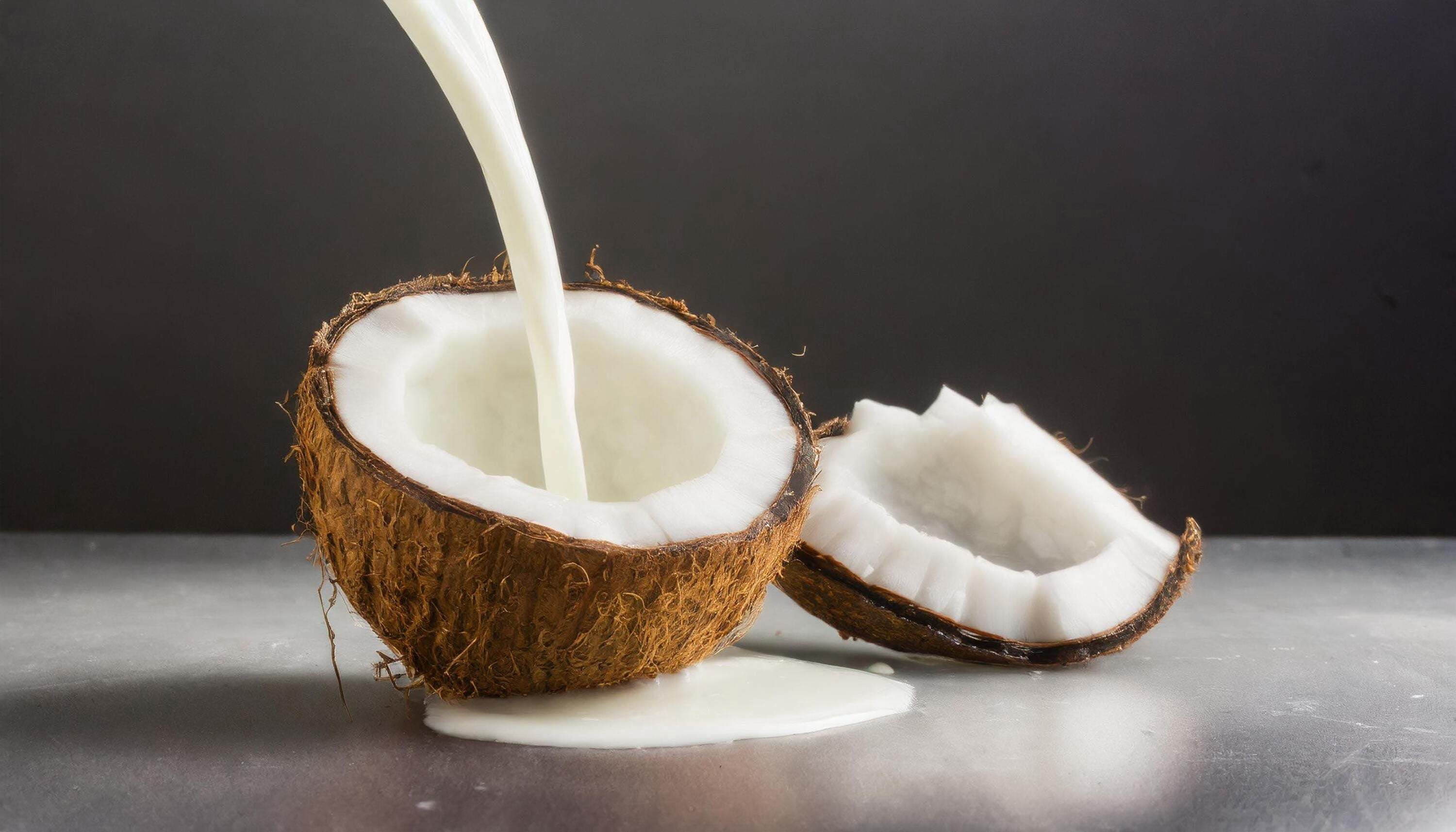
Skin and Aging: How Virgin Coconut Oil Became My Anti-Aging Secret Weapon
Aging is not a single event. It is a gradual shift where the skin begins to lose water, lipids, and structural strength. Fine lines don’t simply appear; they emerge as the skin’s ability to retain moisture and repair itself slowly declines.
And while aging is something to embrace, how we support our skin through that process determines how it feels, functions, and appears over time. Like many, I explored layers of skincare serums, creams, actives. But one ingredient kept quietly resurfacing, not as a trend, but as a constant across generations:
Virgin Coconut Oil (VCO).
At first, it felt too simple. But after consistent use, the changes were subtle yet undeniable, my skin felt softer, more stable, and carried a natural luminosity that didn’t rely on layering products.
So I looked deeper, not just at the experience, but at the science.
What Makes Virgin Coconut Oil More Than Just an Oil
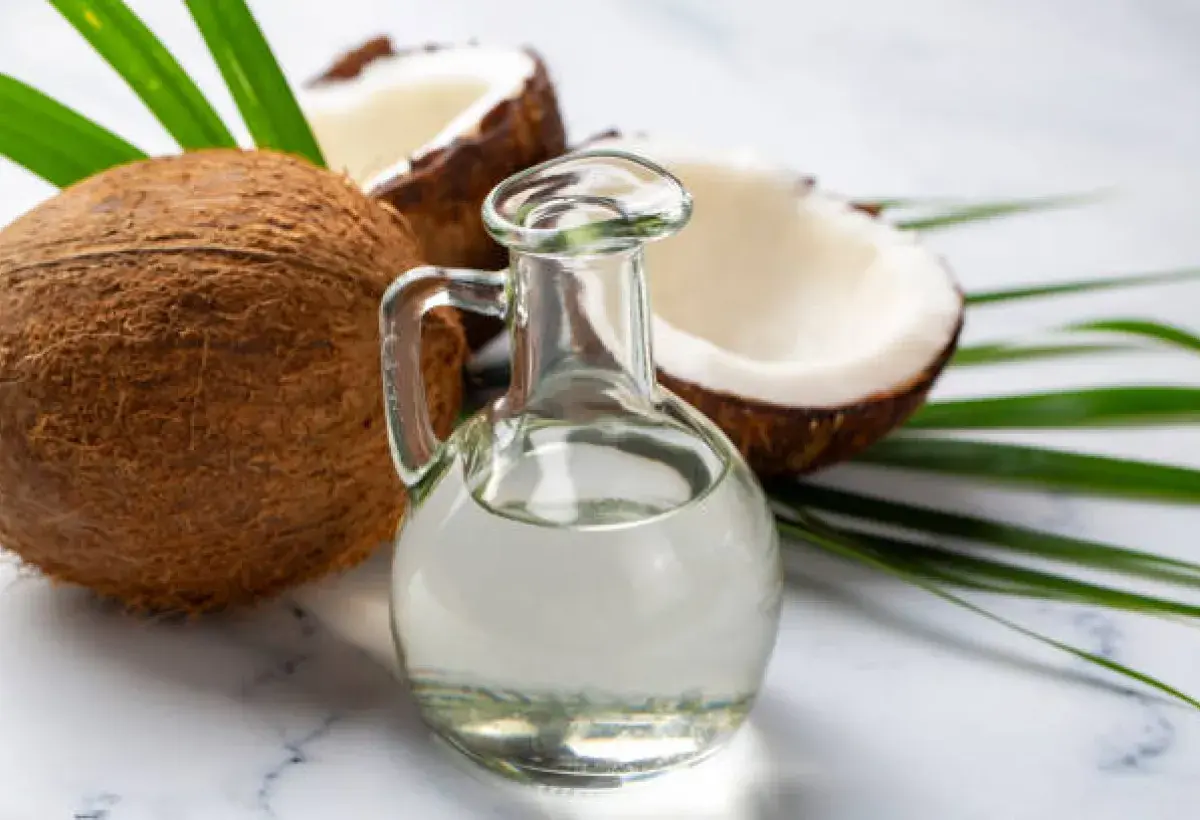
Virgin coconut oil is cold-pressed and unrefined, meaning its natural compounds remain intact compounds that directly interact with the skin barrier. Its composition is what makes it relevant in aging:
- Lauric Acid (≈45–53%)
Helps reduce microbial imbalance and low-grade inflammation, two factors that silently accelerate skin aging. - Vitamin E (Tocopherols)
Protects skin lipids from oxidative damage caused by UV and environmental exposure. - Polyphenols
Neutralize free radicals, reducing oxidative stress that contributes to collagen breakdown. - Medium-Chain Fatty Acids
Help reinforce the skin’s lipid structure, improving barrier integrity.
This is where VCO shifts from being just a moisturizer to becoming a structural support for aging skin.
Image
Where Science Meets Experience
1. Skin Barrier Repair: The Foundation of Aging Well
A study published in Dermatitis (2014) showed that virgin coconut oil:
- Significantly improves skin hydration
- Increases surface lipid levels
- Helps restore compromised skin barrier function
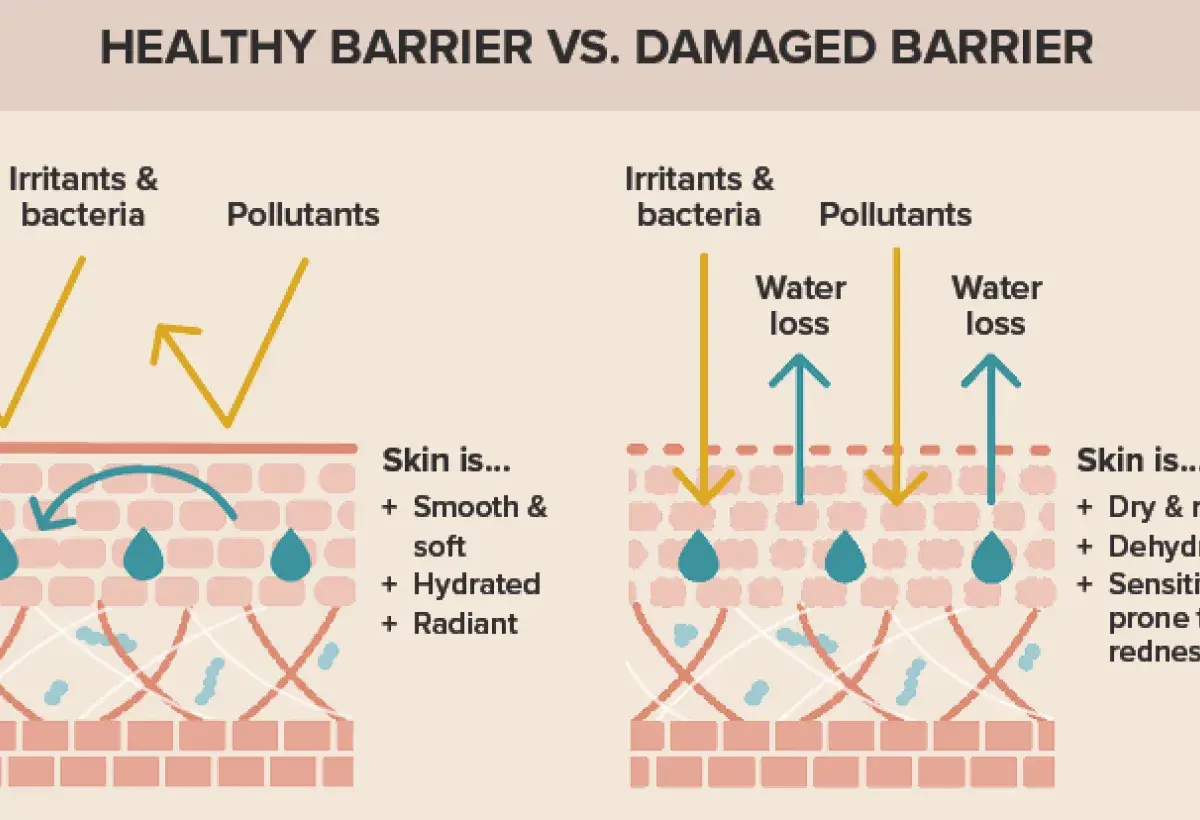
Aging skin is not just dry it is structurally weaker. When the barrier is compromised, water escapes more easily, and irritants penetrate more deeply.
VCO works by:
- Reducing transepidermal water loss (TEWL)
- Replenishing essential lipids
- Forming a protective, breathable layer
This is why the skin doesn’t just feel moisturized it becomes more resilient over time.
2. Inflammation Control: Addressing “Invisible Aging”
Aging is increasingly linked to chronic, low-level inflammation often referred to as inflammaging.
Lauric acid has been shown to:
- Exhibit antimicrobial activity (notably against Staphylococcus aureus)
- Help reduce inflammatory responses in the skin
By calming this underlying inflammation, VCO supports:
- Reduced redness
- Less sensitivity
- A more stable skin environment
This is subtle—but over time, it is transformative.
Image
acknowledgement to Paula's Choice.eu for this image.
- Antioxidant Defense: Slowing Structural Breakdown
Oxidative stress is one of the primary causes of:
- Collagen degradation
- Loss of elasticity
- Formation of fine lines
Research in the International Journal of Molecular Sciences (2017) highlights that coconut oil contains antioxidant compounds that:
- Neutralize reactive oxygen species (ROS)
- Protect skin structures from premature degradation
VCO may not act like high-potency active serums, but it provides consistent, baseline protection, which is essential in long-term aging management.
4. Collagen Preservation: A Supportive Role
While VCO does not directly stimulate collagen production like retinoids, it plays an important indirect role:
- Reduces oxidative stress (a major driver of collagen breakdown)
- Maintains a healthier environment for fibroblast activity
In essence, it helps preserve what the skin already has and in aging, preservation is just as important as stimulation.
How It Fits Into a Thoughtful Routine
The effectiveness of VCO is not in excess but in consistency and placement.
- Night Moisturizer
Applied on damp skin to seal hydration and support overnight repair - Under-Eye Softening Balm
Helps reduce the appearance of fine lines caused by dryness - Neck and Décolletage Care
Supports areas that lose elasticity faster - Lip Conditioning
Restores softness and prevents dehydration - Subtle Radiance Enhancer
A light tap on high points of the face enhances natural glow
A Balanced Perspective
Virgin coconut oil is not a replacement for all skincare actives. It does not:
- Replace sunscreen
- Function as a targeted treatment like retinoids or peptides
But what it does exceptionally well is support the skin’s foundation:
- Barrier strength
- Moisture retention
- Environmental resilience
And that foundation determines how well everything else performs.
Final Thought: Aging as Preservation, Not Correction
The most powerful shift is this, that aging is not something to fix, but something to support intelligently. Virgin coconut oil is not a miracle in the dramatic sense. It is something more valuable:
A steady, reliable, biologically supportive element that helps the skin remain soft, resilient, and quietly radiant over time.
Image
Disclaimer
This article is intended for educational and informational purposes only. We do not sell, promote, or endorse any specific product mentioned. Skincare needs vary by individual, and it is always recommended to seek professional advice from a qualified dermatologist or healthcare provider as the first step before introducing any new product into your routine
Note: Results may vary depending on skin type; individuals with acne-prone or highly sensitive skin should perform a patch test or consult a dermatologist before use
About the Author
The author is a registered nurse with both clinical and personal experience in caregiving. Grounded in the belief that prevention is always better than cure, she advocates for early awareness, proactive health management, and informed decision-making to reduce the long-term burden of care. Her perspective bridges medical knowledge with lived family realities, offering guidance that is both practical and compassionate.
References:
-
Evangelista, M. T. P., Abad-Casintahan, F., & Lopez-Villafuerte, L. (2004). The effect of topical virgin coconut oil on Atopic Dermatitis. Dermatitis, 15(3), 109–116.
-
Verallo-Rowell, V. M., Dillague, K. M., & Syah-Tjundawan, B. S. (2008). Novel antibacterial and emollient effects of coconut and virgin olive oils in adult atopic dermatitis. Dermatitis, 19(6), 308–315.
-
Nevin, K. G., & Rajamohan, T. (2010). Effect of topical application of virgin coconut oil on skin components and antioxidant status during dermal wound healing in young rats. Skin Pharmacology and Physiology, 23(6), 290–297.
-
Dayrit, F. M. (2014). The properties of coconut oil and its potential use in COVID-19. Philippine Journal of Science, 143(1), 67–91.