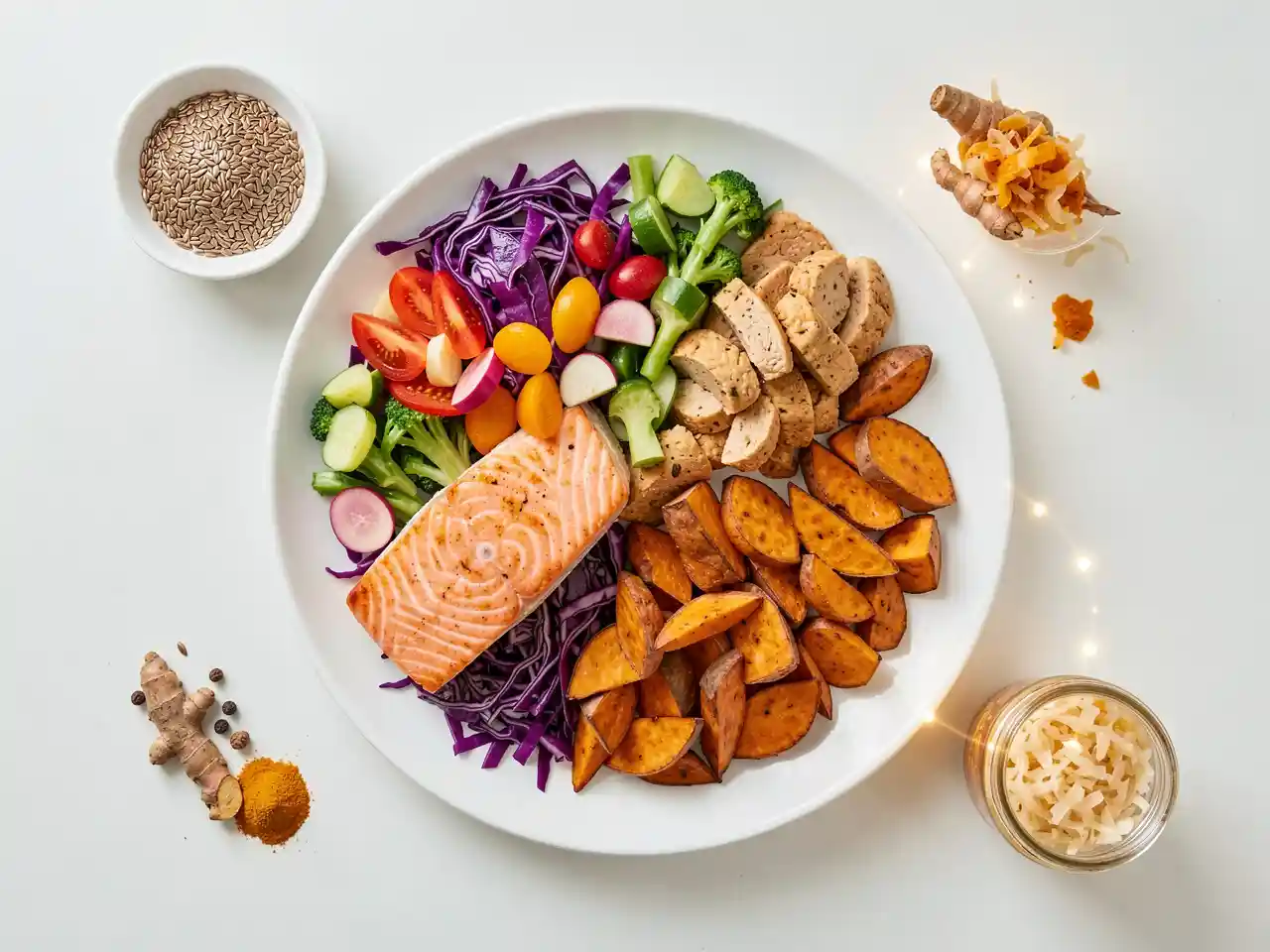
A truly nourishing meal is more than a simple mix of carbohydrates, proteins, and vegetables. It is a deliberate composition, designed to maximize nutrient absorption, repair the modern deficiencies caused by soil depletion, and support the natural synergy between foods. Real balance happens when you think beyond calories and macros and start understanding how nutrients interact, how digestion determines what your body truly receives, and how every ingredient can complement another.
The Myth of the “Perfect” Meal
For decades, the familiar diagram of a plate divided into carbohydrates, proteins, and vegetables has defined what we call a balanced diet. However, modern nutrition research reveals that this approach often fails to capture the full complexity of human nourishment. Even individuals who follow textbook “healthy” eating habits are frequently deficient in key micronutrients. According to the American Journal of Clinical Nutrition (2023), widespread shortfalls exist in magnesium, vitamin D, iron, and essential amino acids, even among those eating well-balanced meals.
Why does this happen? Because the traditional model overlooks critical factors that determine how much nutrition we truly absorb.
The Missing Layer in Modern Nutrition
Most dietary guidelines focus only on macronutrient balance but ignore three essential realities.
-
First is nutrient synergy, the way certain foods amplify each other’s benefits. Vitamin C, for example, enhances iron absorption, while dietary fat is necessary for the body to absorb vitamins A, D, E, and K.
-
Second is soil depletion, a silent crisis that has reduced the mineral content of our produce. A 2022 study in the Journal of Food Composition and Analysis revealed that today’s fruits and vegetables contain significantly fewer minerals than they did in the 1950s.
-
Third is gut health, the foundation of nutrient absorption. Even the most nutrient-rich meal is wasted if your digestion is compromised. Research published in Nature Gut (2023) confirms that gut microbiota diversity directly influences how efficiently the body extracts vitamins and minerals from food.
Five Invisible Gaps in Modern Diets and How to Fix Them
-
Protein Intake Without Amino Balance
Many people consume enough protein but fail to get all essential amino acids. Plant-based proteins, in particular, often lack lysine or methionine. The simple fix is smart pairing and combining beans with rice or quinoa ensures complete amino acid coverage, as recommended by the World Health Organization in 2022. -
Fiber Quantity Without Fiber Diversity
Fiber is not one-size-fits-all. Soluble fiber, found in foods like oats and apples, nourishes gut bacteria, while insoluble fiber, found in vegetables such as celery, helps cleanse the intestinal lining. Most people consume only one type. A healthy digestive system needs both. Mixing chia seeds with leafy greens delivers an ideal balance, according to findings from the Microbiome Journal (2023). -
Vitamins Without Proper Absorption
Taking supplements or eating vitamin rich foods is not enough. Fat soluble vitamins such as A, D, E, and K require dietary fat to be absorbed effectively. Something as simple as drizzling olive oil over roasted sweet potatoes or steamed carrots can make the difference between excretion and absorption, as noted by Nutrition Reviews (2021). -
Low Sodium Diets Without Electrolyte Awareness
Many health conscious people drastically reduce their salt intake without realizing that electrolytes such as sodium, potassium, magnesium are essential for nerve function, hydration, and energy levels. The key is not total avoidance but intelligent balance. Combining a small amount of Himalayan salt with potassium-rich foods like bananas and spinach restores equilibrium, according to the Journal of Hypertension (2022). -
Healthy Fats That Have Lost Their Benefits
Oils can lose their nutritional power when overheated. Extra virgin olive oil, for instance, is best kept for raw dishes, while avocado oil or ghee are more stable for cooking. This small shift prevents oxidation and preserves the anti-inflammatory properties of your fats, as reported by the Food Chemistry Journal (2023).
Image
The Outlier Plate Formula
A truly nutrient-dense plate is built with both precision and creativity. Imagine this as your foundation:
-
Half of the plate filled with colorful vegetables and fruits, prioritizing purple and red varieties rich in antioxidants and polyphenols.
-
One quarter reserved for quality protein such as pastured eggs, sardines, or a lentil and rice combination.
-
The remaining quarter dedicated to smart carbohydrates like sweet potatoes or black rice, which contain anthocyanins that protect against oxidative stress.
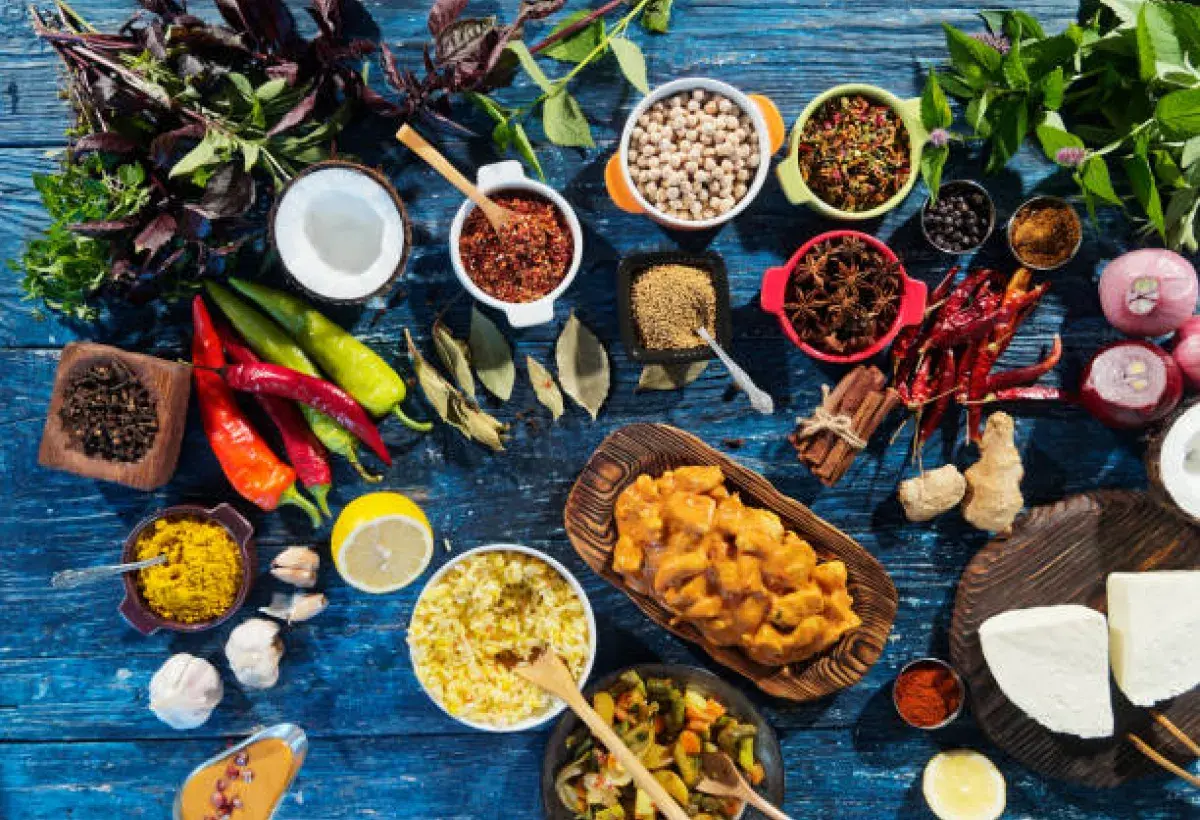
Then, enrich your meal with “nutritional boosters” that turn a good meal into a therapeutic one. A tablespoon of ground flaxseed for omega-3 fatty acids. A teaspoon of turmeric paired with black pepper to unlock its anti-inflammatory curcumin. And a serving of fermented food such as sauerkraut or kefir to nurture a resilient gut microbiome.
The Bigger Picture
Health is not built on single meals but on repeated choices. It is not about rigid perfection but about awareness, knowing that the plate before you is a living ecosystem of nutrients, enzymes, and interactions. Every color, every texture, every pairing tells a story about how your body will heal, adapt, and thrive.
The art of eating well is not a diet. It is an ongoing practice of listening to your body, respecting nature’s design, and using science as your guide. One thoughtful, colorful, and synergistic meal at a time, you build a foundation of vitality that goes far beyond calories and portion sizes.
Image
Suggested citation
Lendez, M.(2026). Rules of a Truly Healthy Plate: Why Your “Balanced Diet” is Still Missing Key Nutrients. Chikicha.Lendez, M. (2026). When memory feels uncertain: Understanding forgetfulness without fear.
About the Author
Dr. Mariza Lendez, DBA, is the developer of the Ikigai–Bayanihan Purpose-Driven Retirement Framework, a community-centered model that redefines aging through purpose, connection, and sustainable living. Her work focuses on helping individuals navigate aging with clarity, dignity, and informed decision making.