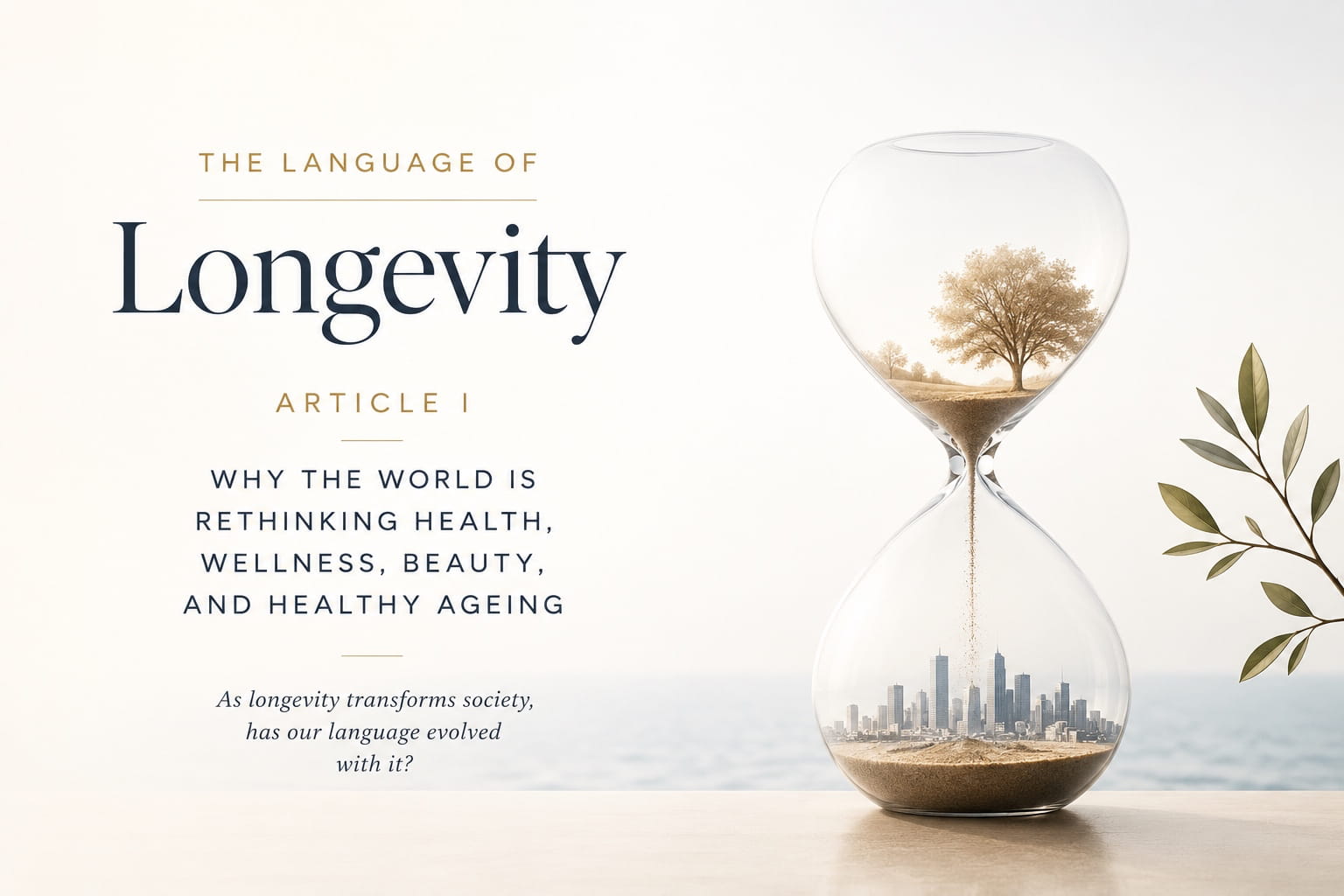
When Health, Wellness, and Beauty Began Speaking the Same Language
There was a time when growing older was considered a privilege reserved for the fortunate.
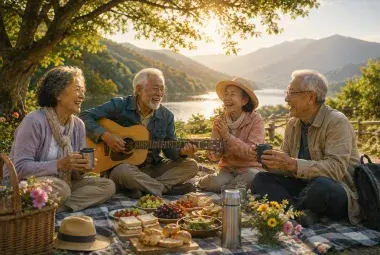
Throughout most of human history, infectious diseases, poor sanitation, malnutrition, and limited medical knowledge meant that relatively few people reached advanced age. Today, that reality has changed dramatically. Improvements in medicine, public health, education, nutrition, sanitation, and technology have transformed human longevity, enabling millions of people around the world to live well into their seventies, eighties, and beyond (World Health Organization, 2015; United Nations, 2023).
This remarkable achievement represents one of humanity's greatest successes. We have learned not only how to reduce premature deaths but also how to extend life expectancy on a global scale. Yet with this achievement comes a new challenge, one that is no longer measured simply by the number of years people live, but by how societies understand, support, and communicate the experience of living those additional years.
As populations age, another phenomenon has emerged alongside this demographic transformation: the rapid growth of the longevity economy.
Governments, researchers, healthcare providers, technology companies, insurers, pharmaceutical firms, wellness businesses, financial institutions, and consumer brands increasingly recognize older adults not only as recipients of care but also as active participants in a growing economic landscape. Often referred to as the Silver Economy, this market encompasses products, services, technologies, and innovations designed to support longer lives while responding to the evolving needs and aspirations of older populations (OECD, 2024; AARP, 2023).
The emergence of this economy is neither unexpected nor inherently problematic.
Aging Deserves Greater Attention than Ever Before
On the contrary, it reflects scientific progress, entrepreneurial innovation, and society's recognition that aging deserves greater attention than ever before. New therapies, digital health technologies, preventive medicine, nutrition science, rehabilitation, assistive technologies, and community-based services have the potential to improve quality of life for millions of people.
Yet as this marketplace expands, something equally significant has been unfolding within our everyday vocabulary. Walk through almost any major city today, browse digital advertisements, or explore healthcare websites, and a familiar pattern quickly emerges: wellness centres, longevity clinics, healthy aging programmes, anti-aging institutes, age-management services, regenerative medicine, preventive wellness, medical spas, aesthetic wellness, biohacking, and performance optimisation increasingly occupy the same commercial landscape.
Words that once belonged to distinct disciplines now frequently appear together, sometimes describing the same service, sometimes describing entirely different objectives. This convergence raises an important question. Do these terms describe different paths toward the same goal, or have their meanings gradually become intertwined as the longevity economy has evolved?
The purpose of asking this question is not to criticise innovation, commercial enterprise, or consumer choice. Scientific advancement has unquestionably improved human health, while aesthetic medicine, rehabilitation, nutrition, exercise science, and preventive healthcare each contribute important benefits within their respective fields. Likewise, many individuals seek interventions that improve confidence, function, appearance, or overall well-being for reasons that are both personal and legitimate.
Rather, this article asks whether the language surrounding these concepts has evolved as clearly as the science itself.
Concepts Become Increasingly Interchangeable
Language matters because language shapes understanding. The words used by scientists, clinicians, policymakers, educators, businesses, journalists, and consumers influence how individuals interpret information, evaluate choices, and understand their own health.
When concepts become increasingly interchangeable in everyday communication, distinguishing between their original meanings becomes more challenging. This is not because any one discipline is incorrect, but because each was inherently developed to answer fundamentally different questions.
Historically, public health and medicine laid the groundwork by focusing on population-level health and the prevention, diagnosis, and treatment of disease. Overtime, disciplines shifted from merely preventing pathology to optimizing life: psychology began exploring the nuances of wellbeing, resilience, and human flourishing, while gerontlogy emerged to examine how people age and how functional ability they can maintained across the entire life course. Concurrently, dermatology and aesthetic medicine narrowed their lens to skin health, reconstruction, and appearance. Today, even economics has entered the conversation, increasingly examining the massive structural opportunities and challenges presented by aging populations.
Each discipline contributes valuable knowledge. Yet each also speaks its own language, but today, those languages increasingly overlap. Consider a common example. A modern clinic may offer resistance training, nutritional counselling, stress management, hormone optimisation, vitamin infusions, skin rejuvenation procedures, cognitive assessments, and lifestyle coaching under a single programme described simply as "wellness."
Another may promote "healthy aging" while combining medical assessments with aesthetic treatments and preventive health services. A third may advertise "longevity" through personalised nutrition, advanced diagnostics, fitness programmes, and regenerative therapies.
Image
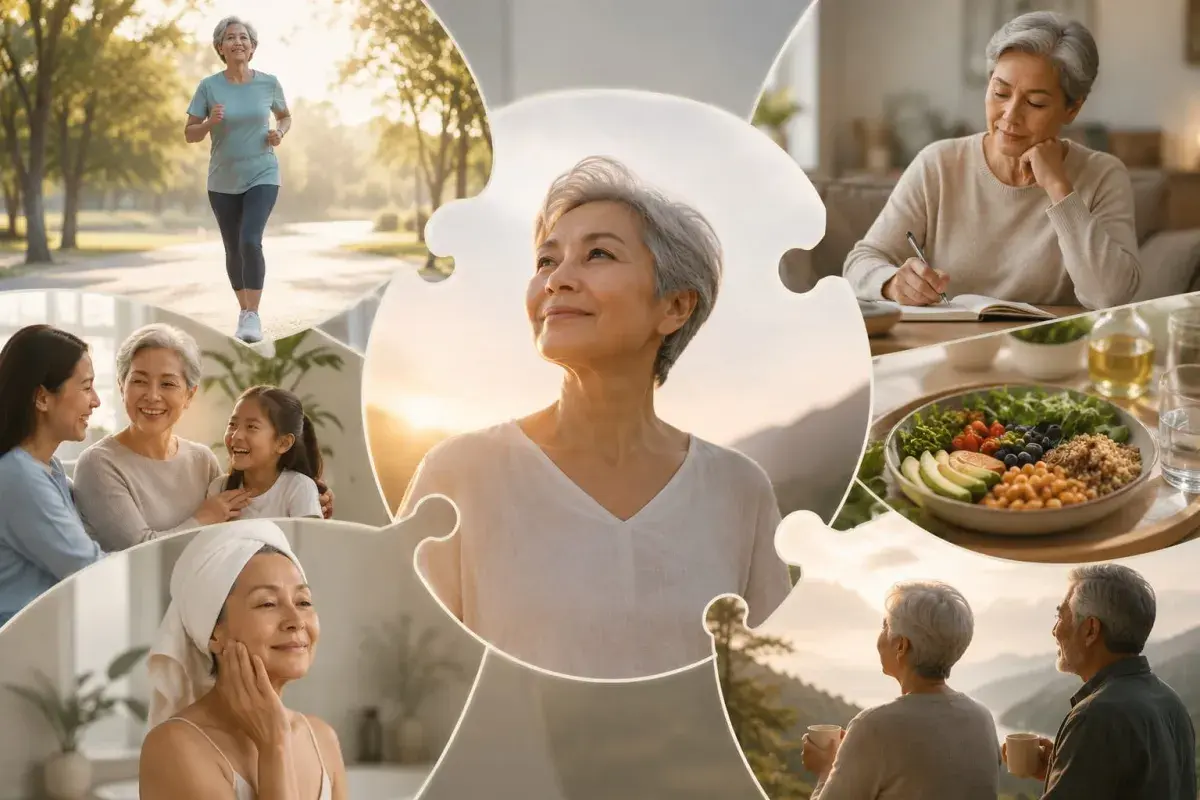
None of these combinations are necessarily contradictory. Many may provide meaningful benefits depending on individual needs and clinical circumstances. The more interesting question is whether the terminology itself still communicates clearly what each intervention is intended to achieve.
-
Is the primary objective to improve physiological function?
-
To reduce disease risk?
-
To enhance physical appearance?
-
To increase quality of life?
-
To maintain independence?
-
To optimise performance?
-
Or to support overall well-being?
Increasingly, the answer may be "some combination of all of the above."
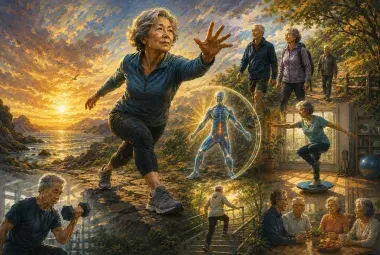
This convergence is understandable. Human health is inherently multidimensional. Physical health influences emotional well-being. Psychological health affects social participation. Exercise improves cardiovascular fitness while also enhancing confidence. Good nutrition supports both metabolic health and skin integrity. Functional independence contributes to dignity, purpose, and quality of life. Overlap, therefore, should not surprise us. Equivalence, however, deserves closer examination.
Distinction Becomes Particularly Important as Societies Continue to Age
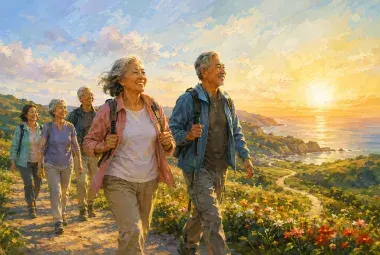
The World Health Organization defines healthy ageing not as the absence of disease but as "the process of developing and maintaining the functional ability that enables well-being in older age" (World Health Organization, 2015). This definition shifts attention away from simply living longer and towards maintaining the capacity to do the things people value throughout later life.
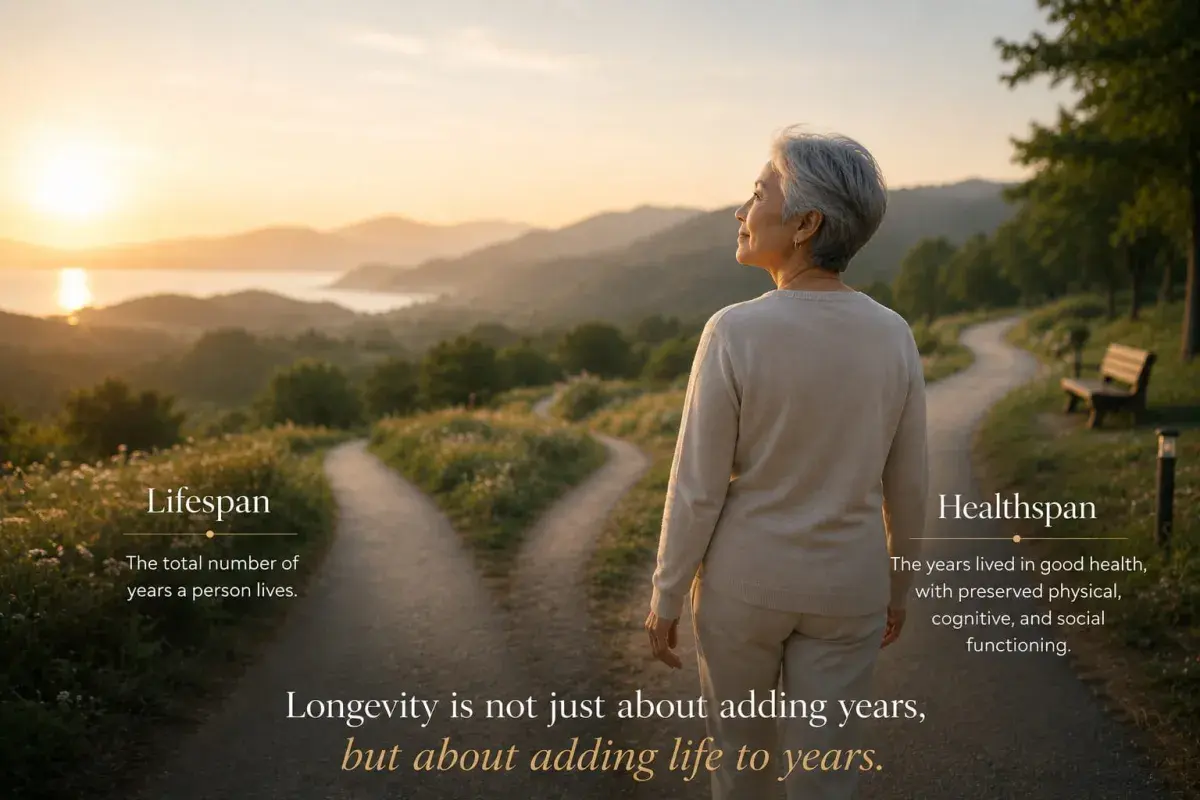
Similarly, scholars increasingly distinguish between lifespan (the total number of years a person lives) and healthspan (the years lived in good health with preserved physical, cognitive, and social functioning). These concepts illustrate that longevity itself is only one dimension of successful aging. The quality of those additional years matters equally, if not more.
At the same time, the global wellness economy continues to expand rapidly, reflecting growing consumer interest in prevention, self-care, fitness, nutrition, mental well-being, and healthy lifestyles (Global Wellness Institute, 2025). Advances in science continue to generate promising interventions that may improve health, extend function, or enhance quality of life. The marketplace, understandably, responds to these opportunities.
Yet as scientific innovation accelerates, another responsibility becomes increasingly important: conceptual clarity.
Consumers deserve not only safe products and effective services, but also language that helps them understand what those products and services are intended to accomplish. Clear definitions do not restrict innovation; they strengthen informed decision-making. They allow individuals to distinguish between interventions designed primarily to improve health, those intended to enhance appearance, those that support overall well-being, and those that legitimately contribute to more than one outcome.
This investigation is therefore not about drawing rigid boundaries where none exist. It is about recognising that meaningful overlap should not erase meaningful distinctions. The language of longevity is still evolving, and that is inevitable as science will continue to advance. Markets will continue to innovate, and new technologies will emerge. New models of care will reshape how societies support ageing populations.
As these developments unfold, the words used to describe them become increasingly important. Before asking how we should age, it may first be necessary to ask whether we still understand the language we use to describe ageing itself. That journey begins by returning to the original definitions.
In the next article, we will examine how leading authorities, including the World Health Organization, public health scholars, wellness researchers, gerontologists, and other disciplines define health, wellness, beauty, healthy ageing, longevity, healthspan, and related concepts.
Only by understanding where these words came from can we fully appreciate how they are used today and why that distinction matters in an age of longer lives.
Image
Article II
👉 Read Article https://www.chikicha.com/language-longevity-article-2-health-vs-wellness-vs-beauty-explained
Article III
👉 Read Article https://www.chikicha.com/language-longevity-article-3-3-who-shapes-future-healthy-ageing
Suggested Citation
Lendez, M. L. (2026). The Language of Longevity: Are Health, Wellness, and Beauty Really the Same?. Chikicha. (the developer of the Ikigai-Bayanihan Framework).
About the Author
Dr. Mariza Lendez is a researcher, social entrepreneur, and creator of the Ikigai-Bayanihan (Purpose + Collective Ethos) Retirement Model, an innovative framework that integrates purpose, community engagement, and sustainability to support meaningful aging and later-life well-being.
References
Dahlberg, L., McKee, K. J., Fritzell, J., & Marmot, M. (2022). Healthy ageing and care of older people: The role of health promotion and prevention. Scandinavian Journal of Caring Sciences. Advance online publication. https://doi.org/10.1111/scs.13196
Decade of Healthy Ageing. (2021). UN Decade of Healthy Ageing Platform. https://www.decadeofhealthyageing.org
Global Wellness Institute. (2025). Global Wellness Economy Monitor 2025. Global Wellness Institute. https://globalwellnessinstitute.org/wp-content/uploads/2025/11/2025-GWI-WE-Monitor_DIGITAL-FINAL.pdf
Organisation for Economic Co-operation and Development. (2024). How's Life? 2024: Well-being and resilience in times of crisis. OECD Publishing. https://www.oecd.org/en/publications/2024/11/how-s-life-2024_bdcf2f9f.html
World Health Organization. (2021). UN Decade of Healthy Ageing (2021–2030).https://www.who.int/initiatives/decade-of-healthy-ageing
World Health Organization. (2024). Ageing and health. https://www.who.int/news-room/fact-sheets/detail/ageing-and-health
World Health Organization. (2025). Ageing and health. https://www.who.int/news-room/fact-sheets/detail/ageing-and-health